
The problem: remote power needs that won’t tolerate surprises
Remote homes face intermittent grid access, fuel costs for generators, and long repair lead times. A system built around a reliable hybrid inverter fixes those failures at the control layer: it routes solar, battery, and backup generation into stable, usable power. The design goal is simple—deliver expected watts when residents need them, not optimistic numbers on a sunny day.
How each component solves concrete problems
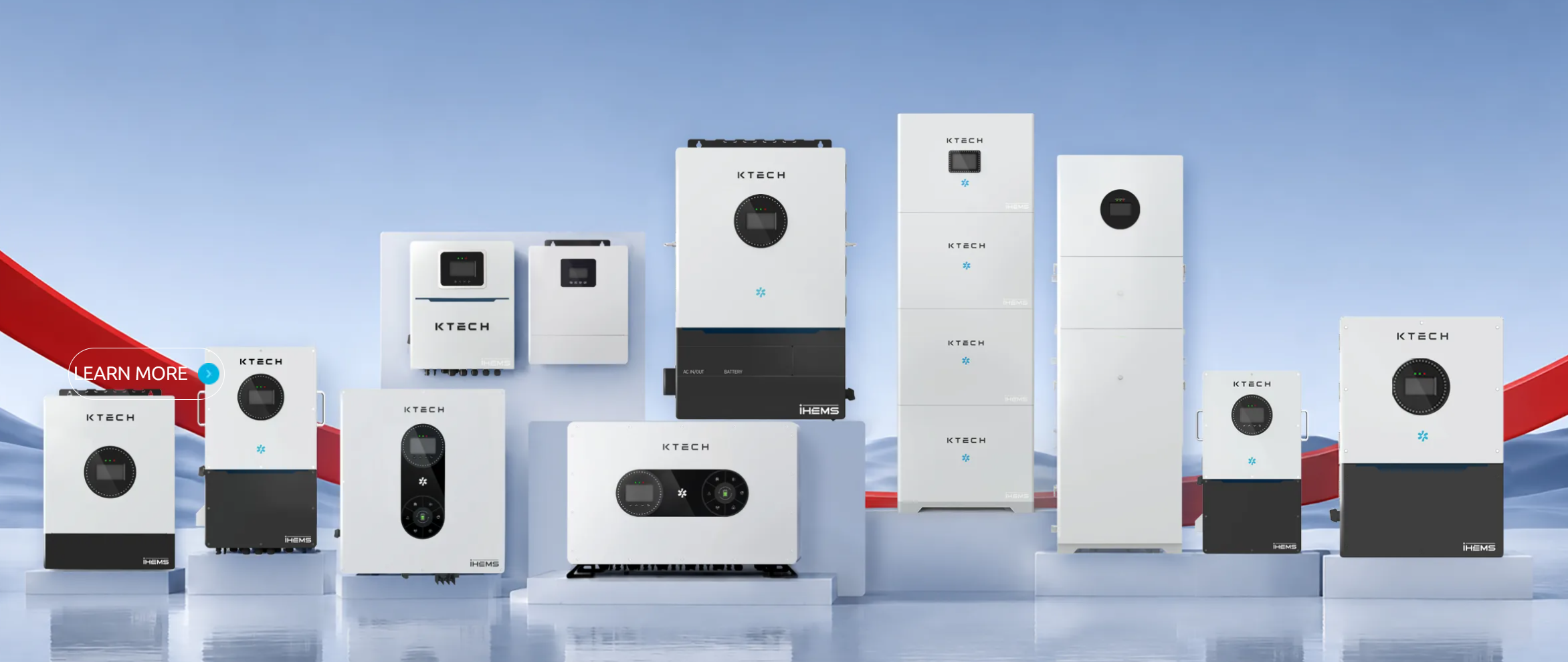
Think of the system as four mechanical subsystems that must work together:- Solar array: converts sun into steady DC input; sized for average daily consumption plus battery charging losses.- Batteries: store energy for night and cloudy stretches; capacity determines autonomy days.- Hybrid inverter: manages charging, discharging, grid or generator tie-in, and clean AC output; it enforces priority logic and islanding.- Balance-of-system (BOS): breakers, monitoring, cabling, and mounting that prevent predictable failures.These parts reduce fuel runs, eliminate brief blackouts, and provide controlled AC quality for pumps, refrigerators, and electronics.
Sizing and design rules you can use right away
Start with measured load, not guesses. Apply these rules:- Record continuous and peak loads for 48–72 hours.- Multiply average daily consumption by desired autonomy (commonly 2–5 days for residential off-grid).- Factor inverter efficiency and battery round-trip losses (typical 10–20%).- Choose an inverter with continuous output above household base load and sufficient surge rating for motors.Design for modular growth so you can add panels or battery capacity without replacing the inverter control logic.
Operation practices that prevent wasted capacity
Operate like a machine shop, not a hobbyist. Keep these routines:- Monitor state-of-charge and daily production trends; a hybrid inverter’s logs are the system’s health report.- Set charge and discharge thresholds by battery chemistry; avoid deep cycles unless batteries are rated for them.- Schedule firmware and controller updates during low-load windows.- Maintain clear access to panels and battery ventilation.These steps cut service calls and extend component life.
Common mistakes and how to avoid them
Installers and owners repeat the same errors. Avoid these:- Undersizing the inverter for peak demands — motors and compressors need surge capacity.- Picking battery capacity by price rather than usable amp-hours and cycle life.- Relying solely on manufacturer nominal data without real-world derating for temperature and wiring losses.- Ignoring simple protective devices; a failed breaker or loose lug causes downtime faster than any rare component failure.Fix the design before installation; fixes on-site are costly.
Alternatives and trade-offs
Options exist but carry clear trade-offs:- Diesel generator backup: high energy density, low capital cost, high recurring fuel and maintenance costs.- Grid-tied with battery backup: cheaper upfront if grid is reliable, but vulnerable when the grid is intentionally shut down.- Pure DC microgrids: efficient for specific loads but adds complexity for standard AC appliances.Choose based on outage frequency, fuel logistics, and maintenance capacity on site.
Resilience in practice — a single example that matters
Real deployments show the value. During California public safety power shutoffs, households using hybrid inverters maintained clean power and kept essential circuits running while neighbors on generator-only setups cycled and refueled. That event highlighted how control logic and proper islanding in a hybrid inverter preserve safety and comfort without nonstop manual intervention.
Final synthesis
Design for measured loads, pick a hybrid inverter with the right surge and control features, size batteries for realistic autonomy, and operate with disciplined monitoring and maintenance. That mechanical, problem-focused approach delivers reliable power where service crews can’t reach quickly, and it’s the practical value that Ktech builds into its system designs.