
Platform cards in plain terms
Platforms now push payment products so fast, users must choose wisely — steady lah. This article compares the mechanics and outcomes of a platform-issued card, with focus on how Didi’s product fits into broader payment flows. Early on, note that public data such as the World Bank Global Findex shows increasing use of digital payments worldwide, so this is not niche. For quick context and product detail, see didi finanzas, which explains Didi’s product positioning and services across markets like Mexico City where ride-hailing and digital wallets already shape daily spending.
Why Didi card moves the needle
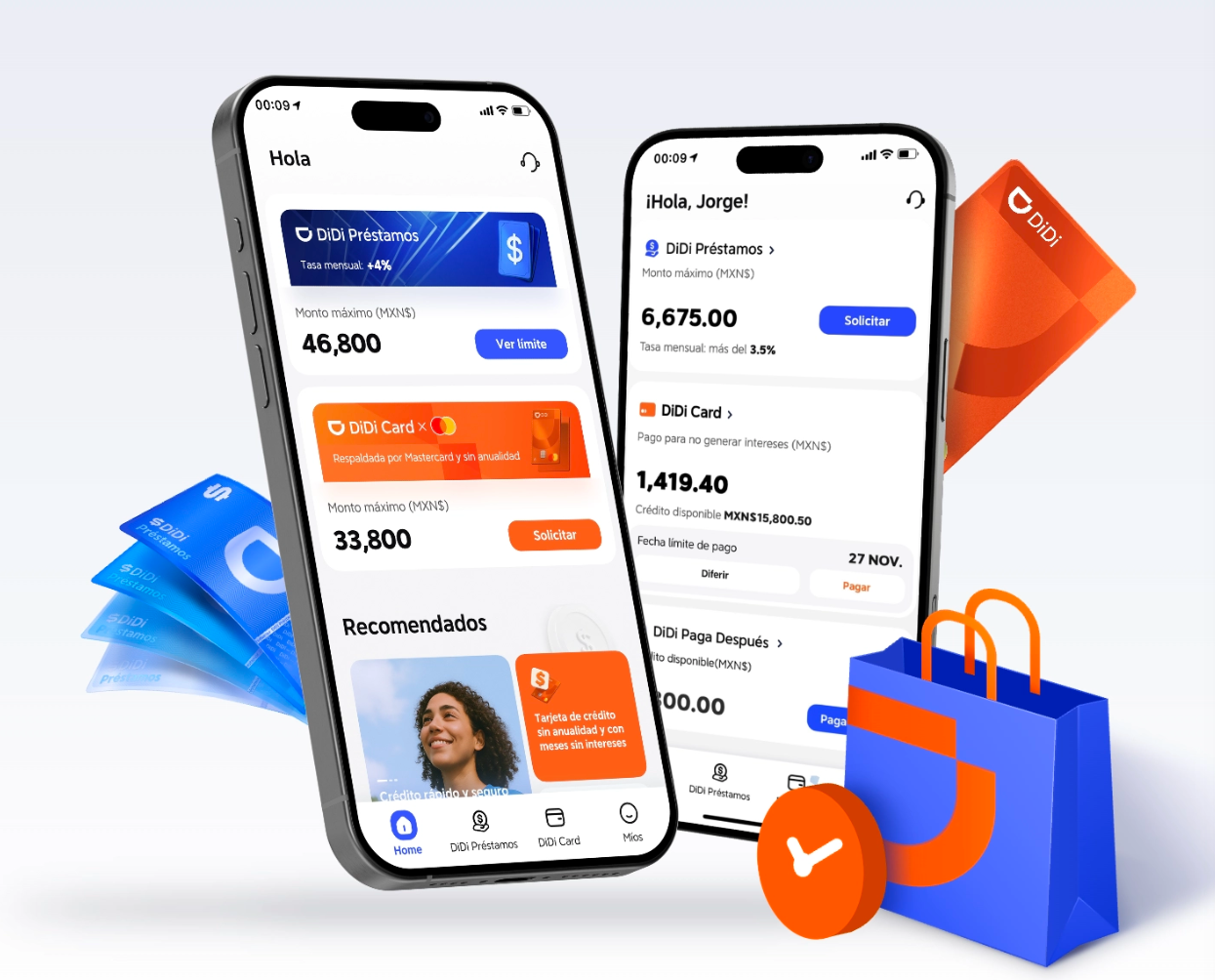
The Didi card reduces friction for customers who already use the platform for transport and delivery. It bundles card issuance, loyalty and in-app balances into a single wallet experience so onboarding is faster. Industry terms: digital wallet, card issuance, onboarding. The convenience matters: fewer steps to top-up, one ledger for rides and rewards, and integrated contactless payment where merchants accept it. Users get the psychological win of an integrated ecosystem — less app-switching, more stickiness.
User experience: wins and trade-offs
User experience mostly wins when the card matches life patterns. Fast KYC and smooth onboarding reduce abandonment; clear statements and low transaction fees build trust. On the flip side, merchant acceptance and payment rails can limit usefulness if the card behaves like a closed-loop wallet rather than a broadly accepted card. Expect occasional hiccups — latency during peak hours or declined QR payments — but the trade-off often favors convenience for habitual users.
Technical and commercial realities
From a tech POV, integration with payment rails and merchant acceptance is crucial. Platforms must manage transaction fees, reconcile settlements, and keep PCI compliance tidy. If they handle these well, the card behaves like any mainstream contactless payment instrument. If they cut corners, merchants see higher chargebacks and users face limits. These are tangible backend details — not buzzwords — that affect daily reliability.
Common mistakes and viable alternatives
Many adopters make simple mistakes when choosing platform cards. Avoid these:
- Assuming universal acceptance — some platform cards are closed-loop.
- Ignoring fee structure — interchange and transaction fees matter for heavy users.
- Neglecting backup payment methods — keep a bank card or another wallet ready.
Alternatives to consider: traditional bank co-brand cards for rewards, standalone fintech wallets for broad merchant acceptance, or virtual cards for online spend. Each option trades off rewards, acceptance, and onboarding speed.
Comparative insight: where Didi stands
Compared to pure fintech wallets, a platform card like Didi’s tends to offer stronger loyalty alignment with in-app services and simple top-ups. Compared to bank cards, it often sacrifices network breadth but gains ease of use and integrated rewards. Real users in Latin American cities report higher convenience when one app covers commute, food, and finances — this is a measurable behavioural shift, not just marketing. — Small friction points still exist around cross-border use and certain merchant categories.
Three golden metrics for evaluation
When assessing a platform card, use these three critical metrics: acceptance rate (percentage of merchants where the card works), effective cost (all transaction fees plus hidden charges), and onboarding time (minutes required from sign-up to first payment). Weight each metric against your own spending pattern and the importance of integrated rewards. These metrics cut through the noise and give clear, actionable comparisons.
Final thought
Look for reliability over bells and whistles; if your daily life already orbits a platform, the card often simplifies payments and loyalty. For those who value broader merchant acceptance, combine a platform card with a mainstream bank or fintech wallet. In practice, a well-executed platform card fills gaps — convenience, integrated rewards, and faster onboarding — and that is where DiDi Finanzas fits naturally into everyday financial routines. —