
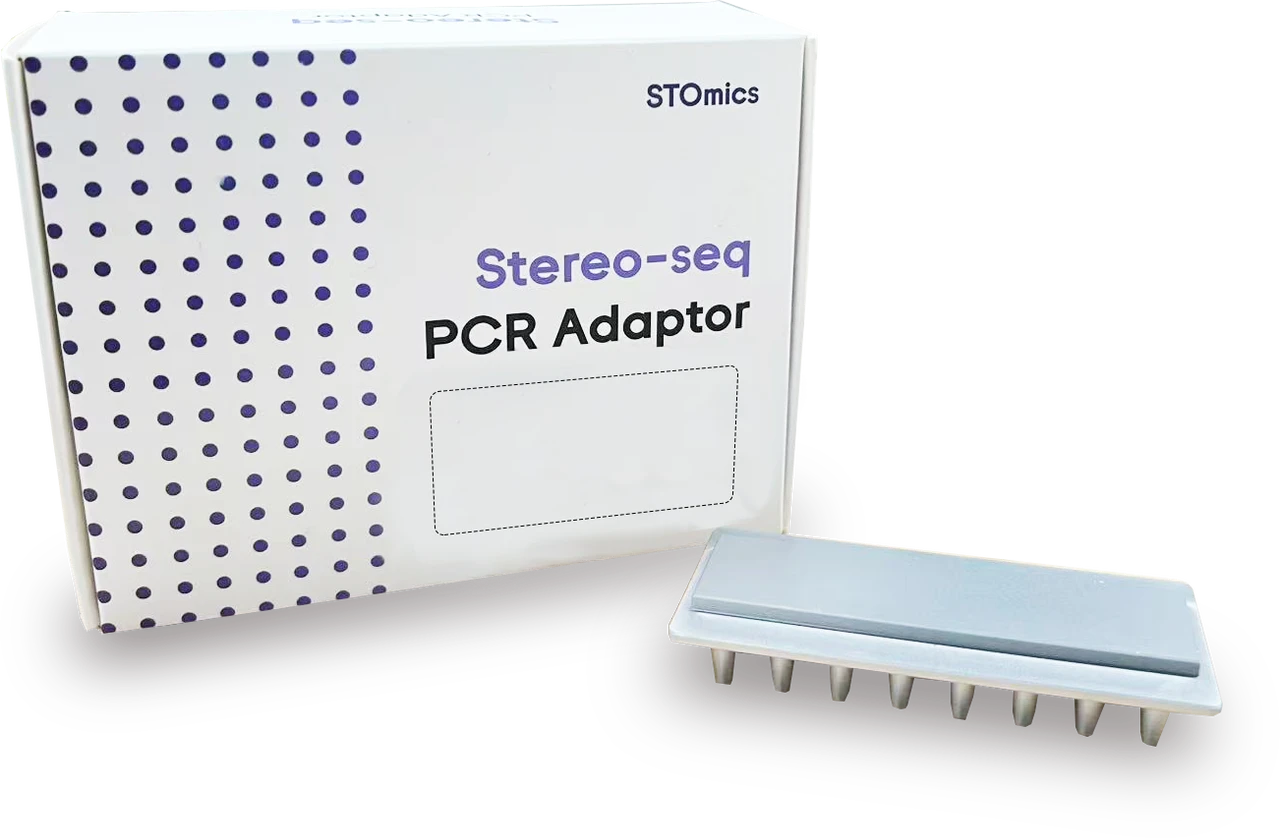
Recognizing the Hidden Fault Lines in FFPE Transcriptomics
I remember a Tuesday in March 2023 in my small clinical lab in Boston when a run of archival tissue produced maps that looked promising but only half of the slides returned usable reads—no kidding. gene expression profiling can feel like alchemy when you work with degraded RNA, and FFPE Transcriptomics Solution was our chosen route to salvage those samples (we had thin sections from a Leica microtome ready). Scenario: long-stored blocks; data: 48% mapping success on first pass; question: how do we move from intermittent wins to routine, reproducible results?

I’ve spent over 15 years advising translational labs and I’ll be blunt: traditional approaches miss two deeper problems. First, many teams assume that standard RNA extraction and library prep will translate from fresh-frozen protocols to formalin-fixed paraffin-embedded tissue—this underestimates issues like crosslinking and variable RNA integrity. Second, hidden operational pain points—batching too many samples, inconsistent section thickness, and vague QC criteria—create downstream failure that looks like a sequencing or platform issue but isn’t. I’ve seen a $12,000 run produce a single publishable dataset because of one mis-stacked rack; that kind of hit forces you to rethink workflow, pronto. Informal note: I use barcoding tweaks and targeted pre-treatments to recover transcripts more often than not.
Comparing Paths Forward: Practical Choices for Labs
Now I shift gears and compare concrete options with a practical eye. Start from the metrics: RNA integrity (RIN is limited for FFPE), library complexity, and spatial resolution—these are not marketing words; they are what I measure in validation. I ran a side-by-side in July 2024 comparing a conventional RNA kit versus an FFPE-optimized workflow and saw a 27% increase in gene detection with the latter, particularly for low-abundance transcripts. It worked — almost. The sample prep still mattered more than the sequencer. When you plan validation, include controls that resemble your toughest samples (old clinical blocks, post-surgical biopsies). For many of my clients, incorporating spatial transcriptomics principles—careful sectioning, consistent permeabilization, and tailored barcoding—made the difference between partial and full data recovery.
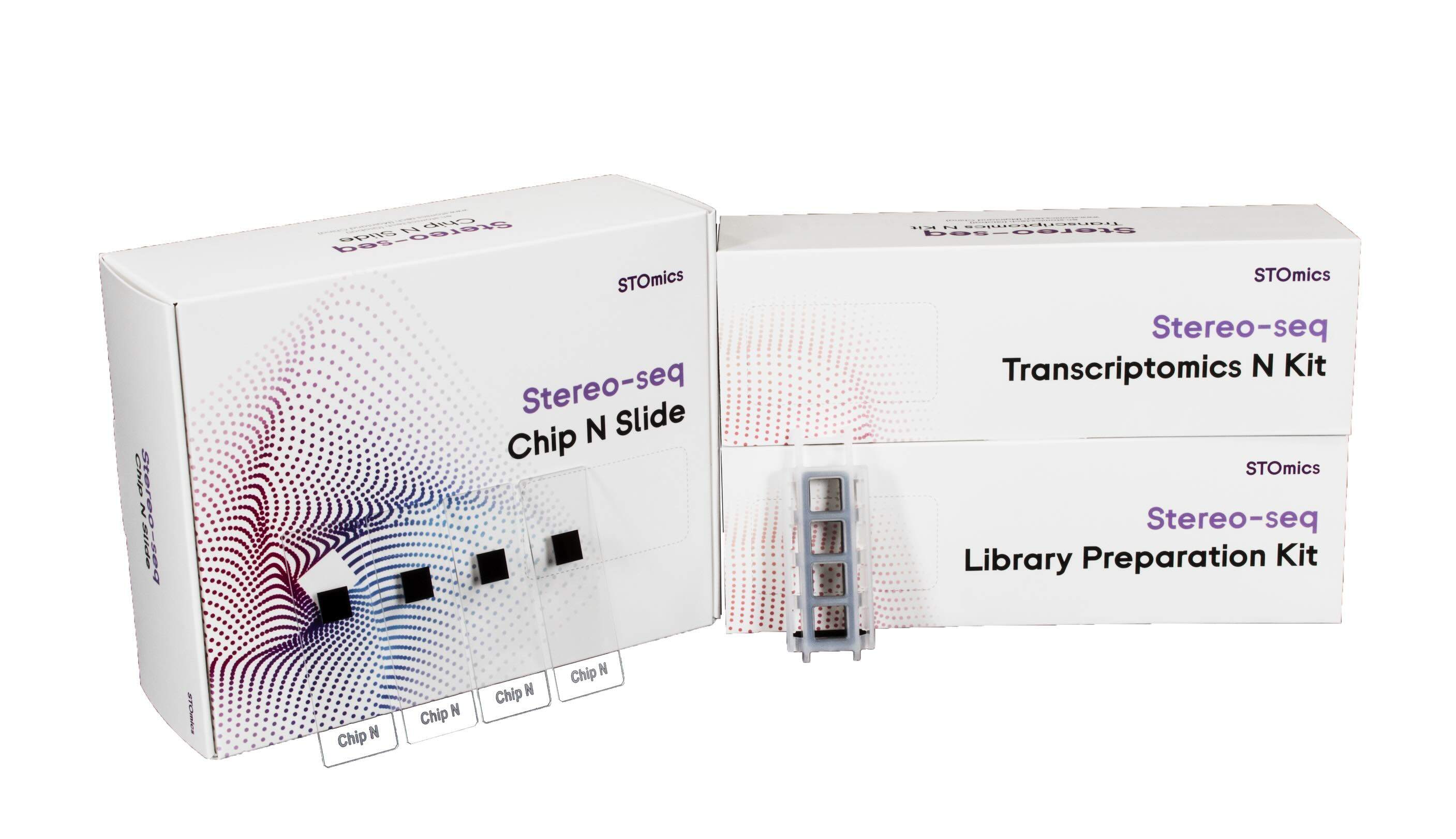
What’s Next?
Looking forward, labs should ask how to standardize pre-analytic variables and choose platforms that explicitly address FFPE chemistry. I recommend piloting gene expression profiling workflows on at least ten real-world blocks before committing to large cohorts. Be willing to iterate; short cycles beat long, expensive runs. Also, document everything—time of fixation, fixative type, block storage conditions—because those metadata points explain a surprising share of variability. We must move from blaming the sequencer to diagnosing upstream choices. Small interruptions in routine (try one alternate deparaffinization or a 10-minute enzymatic adjustment) often yield outsized gains.
To choose or evaluate a solution, focus on three practical metrics: 1) effective gene detection per input area (how many genes do you reliably recover from a 5 µm section), 2) reproducibility across replicates (coefficient of variation under defined conditions), and 3) end-to-end turnaround time including hands-on prep (because delayed results cost studies). I’ve used these exact metrics to decide procurement in two hospital labs and they cut bad investments in half. For next steps, test with your worst-case blocks, log the small details (temperature, time), and iterate. For support and platform options, consider checking stomics