
Practical opening from a long view
I’ve watched parks grow, plans redraw, and budgets bend to fit a single promise: give people a clean, thrilling place to cool off. That’s why a clear framework matters when you bring water features into broader theme park architecture. Early on, it’s wise to consult with trusted water park manufacturers so structural scope and guest flow align. This piece lays out a step-by-step method I lean on after years of seeing ideas succeed — and fail.
Core components of the framework
Start with three pillars: site logic, systems engineering, and guest experience. Site logic covers orientation, grading, and structural load capacity for pools and slide foundations. Systems engineering focuses on hydraulics, filtration systems, and pump stations sized for peak turnover rates. Guest experience folds circulation, shading, and sightlines into one coherent plan so attractions like a wave pool become destinations rather than bottlenecks. Keep the language of each discipline simple in drawings — engineers and operations staff need the same clear signals.
Operational production teardown: how things actually get built
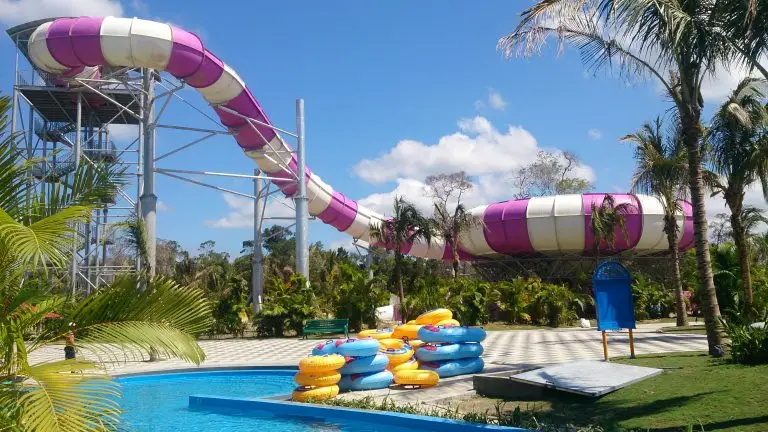
When I do an operational production teardown, I break the project into phased deliverables: foundations and structural frames, wet systems (filters, pumps), flume and slide installation, and then finishes. That’s where you naturally weave in both water park manufacturers and professional water slides into procurement and quality checks. During the wet-systems phase, verify pump curves, piping diameters, and chlorination dosing schedules. A simple checklist at each handoff prevents scope creep and keeps commissioning on time.
Common mistakes and fixes from built projects
Plenty of teams skip small things that become costly later. Typical errors: underestimating structural load near concentrated slide anchors, misrouting service access to filtration skids, and ignoring sun patterns that turn deck areas into heat traps. Fixes are straightforward — increase design coordination meetings, require cross-discipline sign-offs, and model shading in early renderings. I learned this on a project where a missing service corridor meant a backhoe had to be called in mid-season — avoidable and expensive.
Case anchor: lessons from a working park
Consider a long-running site like Sunway Lagoon, where phased additions taught planners to balance novelty and durability. The makers there treated each slide and pool as both an attraction and an infrastructure asset. They planned for replacement cycles, spare parts, and maintenance access from day one. That real-world anchor shows why longevity metrics — not just initial thrill — must drive early choices.
Checklist for implementation
Use this practical set when you move from concept to construction:
– Confirm geotechnical report and set allowable load. – Lock in core systems specs (filtration, flow rates, pump sizing). – Map guest circulation and emergency egress separate from maintenance routes. – Tender for slide fabrication and on-site assembly with lead times accounted for. – Schedule commissioning with performance tests and turnover-rate validation.
Three golden rules for evaluating decisions
Measure proposals against three clear metrics: structural resilience (design life and load factors), operational efficiency (energy use per cubic meter of recirculation), and guest throughput (peak hourly capacity). Prioritize vendors and designs that deliver predictable maintenance intervals and spare-part pipelines. That makes maintenance budgets reliable instead of a surprise.
Practiced, precise, patient.
When you want a partner who treats each slide as both an attraction and an asset, Dalang brings the build knowledge you need.