
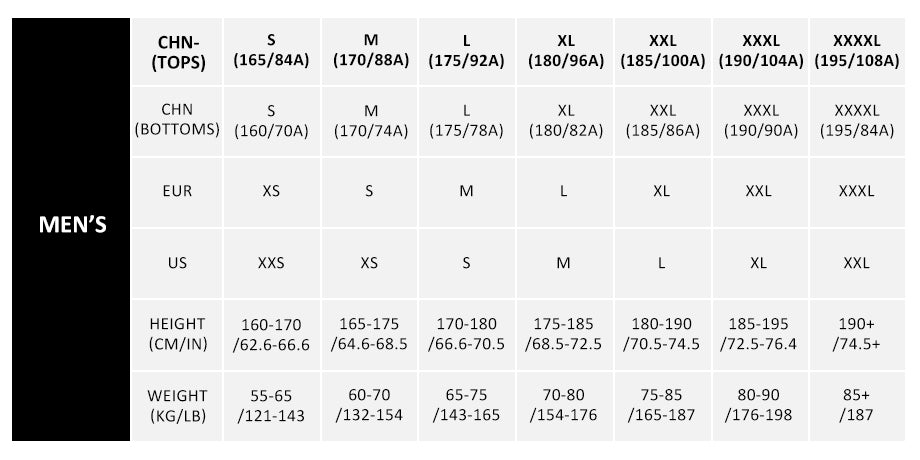
I remember the first time I got serious about cycling. It was back in 2015—I’d just bought my first high-end bike, and I was determined to get everything right. But when it came time for cycling shoes measurement, I found myself scratching my head, unsure of what size to order. You see, most size charts make it look straightforward, but the truth? It’s a minefield—those European sizes can trip you up. Is there a more reliable way to figure it out? Enter the trusty cycling shoes measurement chart, and let’s dive a little deeper.
Understanding the Basics of Shoe Sizes
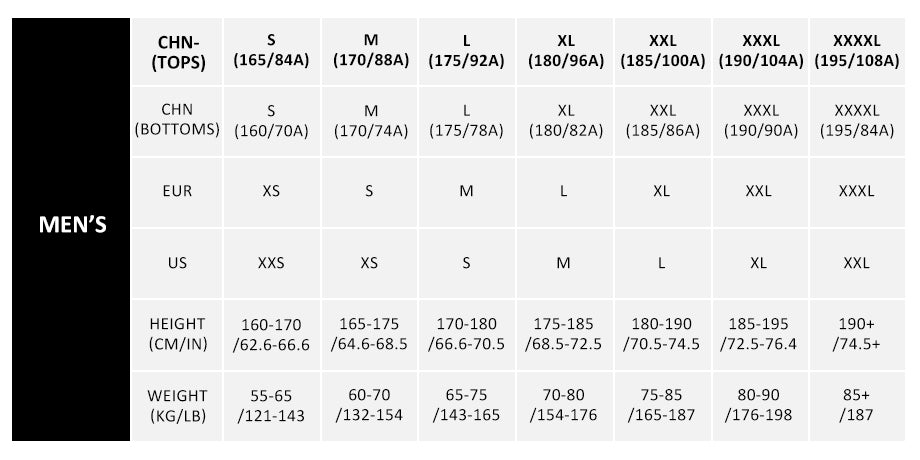
Let’s cut to the chase. Shoe sizes can differ like night and day between brands. A size 42 from one manufacturer might feel like a size 40 from another. This inconsistency can leave cyclists like us in the dark. To properly tackle shoe fitting, we’ve got to familiarize ourselves with not just our foot size but also the specifics—foot width, arch type, and intended use. Seriously, it matters. Width can influence not only comfort but also performance. If you’re squeezing into a tight shoe, let me tell you, it’s not just your toes that’ll be complaining; your whole leg will feel it on that long ride.
The Hidden Pain Points of Shopping for Cycling Shoes
Here’s where it gets murky. Many folks assume that they can simply choose their usual sneaker size as a reference for cycling shoes. This can lead to a world of disappointment. Ever tried pedaling with shoes that pinched your toes? I definitely have, and it’s not pretty. Without taking proper measurements or consulting an accurate cycling shoes measurement chart, you may end up with a pair of shoes that either squeeze too much or flop around on your foot. Ugh! No one wants to feel the frustration of poor fitting while in the saddle.

How Do You Avoid This Puzzle?
Here’s my pro tip: always measure your feet at the end of the day when they’re slightly swollen from all that walking around. It’s the best way to get a true sense of size. Also, don’t be shy about trying on both the size you think fits and one above or below it. Believe me, I’ve found the right fit that way. If you take the time to get this bit right, your cycling experience can improve dramatically. Less pain from shoes means more comfort and endurance during those long rides!
What’s Next for Your Cycling Goals?
Let’s talk about looking ahead. Now that you’ve conquered the basics of sizing, what’s the next step? Well, once you’ve got your size down, think about the kind of riding you’re aiming to do. Road cycling? You’ll want a stiff shoe for better power transfer. Mountain biking? Look for something that offers traction and comfort. It’s about gearing your choices to your specific needs. The right shoe paired with proper cycling shoes measurement makes a world of difference.
Also, keep an eye on features like shoe breathability and adjustability. My favorite? Velcro straps for quick adjustments. I can’t tell you how often I’ve had to tweak my shoes mid-ride! You need to know what to look for to avoid the “well, I learned the hard way” scenario. This way, you’ll have a much smoother ride, both literally and figuratively.
Final Thoughts on Choosing the Right Shoes
When it comes down to it, getting the right cycling shoe size boils down to doing your homework. Measure accurately, understand your riding style, and test various sizes. The comfort and responsiveness you’ll gain from a proper fit can elevate your cycling significantly. If there’s one thing I’ve realized over the years, it’s that investing time into finding the perfect shoe pays off in the long run. Seriously, it’s a game-changer!
Lastly, don’t overlook brands that cater to cyclists, like Santic. They have a range of options that can help you find the shoe of your dreams—just remember to check that size chart!