
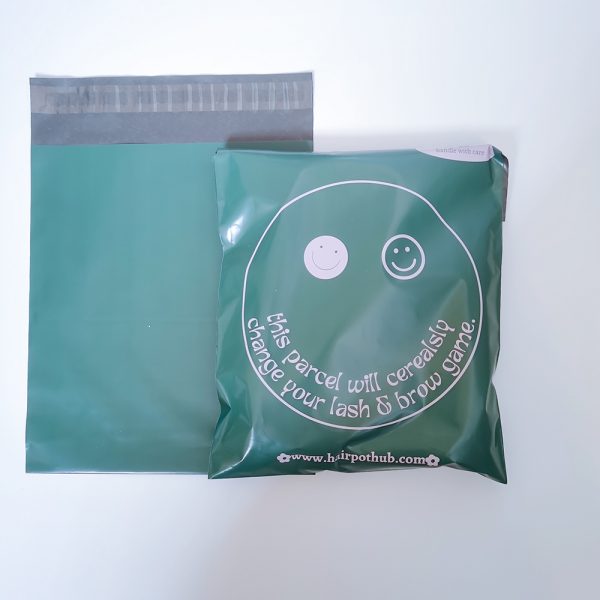
A focused problem: edge‑burst is quietly costing brands
Many brands discover, too late, that a soft, lightweight package can still fail spectacularly at the edge. The problem is not only cosmetic — edge‑burst events lead to returns, repack costs, and brand trust loss. When you order custom printed poly mailers, you are buying a thin engineered film as much as you are buying a graphic surface. If the molecular orientation and seal strength are not aligned to your logistics, failures appear after the product leaves your control.
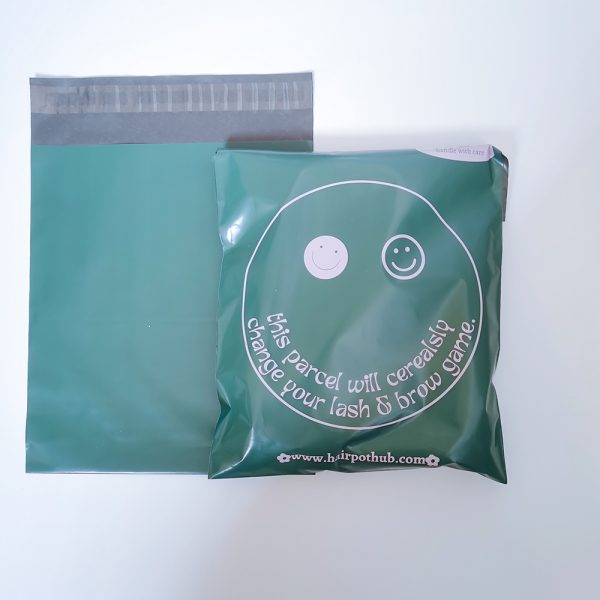
Why molecular orientation matters for performance
Polyethylene film behavior depends on how polymer chains are stretched and aligned during manufacture. Biaxial orientation (MD/TD orientation) changes tensile behavior across the film: oriented chains resist propagation of a tear and reduce edge‑burst rate under stress. Film gauge and crystallinity also influence puncture resistance; while heat‑seal parameters determine the final seam integrity. In short, orientation plus controlled heat‑seal process yield predictable edge performance — without these, even a thicker film can fail.
Typical failure modes brands see
Common issues noted by fulfillment teams include:
– Edge‑burst or seam rupture at corners when boxes press against the mailer;
– Delamination at the adhesive flap due to improper seal temperature or poor adhesive compatibility;
– Abrasion of print or weak tensile strength after rough handling.
These are operational problems as much as material science problems. The right manufacturer settings prevent them before shipping.
How manufacturers limit edge‑burst: practical controls
Reputable manufacturers control several variables concurrently:
– Extrusion and stretching profile to set MD/TD orientation and crystallinity;
– Consistent film gauge to avoid thin spots that become burst initiation points;
– Optimized heat‑seal window (temperature, pressure, dwell) to produce uniform seal strength;
– Inline QC for tensile and seal testing to catch outliers before packing.
Manufacturers who document process windows and provide sample test data reduce your risk. If a supplier will not share seal‑strength curves or process tolerances, treat that as a warning sign.
Choosing a manufacturer: questions and live tests
Ask these concrete questions when evaluating partners — and request the corresponding evidence:
– What are your typical seal strength values (N/cm) across the recommended heat‑seal window?
– How do you control and report film gauge variability across a roll?
– Do you perform MD/TD tensile and tear tests, and can you share batch reports?
– What is your standard packaging test for edge‑burst under boxed corners or sharp loads?
Also, include a real‑world anchor to calibrate priorities: during the 2020 pandemic, US e‑commerce sales rose roughly 44% (U.S. Census Bureau), and many brands saw packaging failures spike under new shipping profiles. Learning from that, insist on mailed sample trials from actual carriers and fulfillment centers — not only bench tests. For broader sourcing, consider suppliers who list printed poly mailers wholesale capabilities and can scale QA across SKUs.
Common mistakes and how to avoid them
Brands often stumble in three ways:
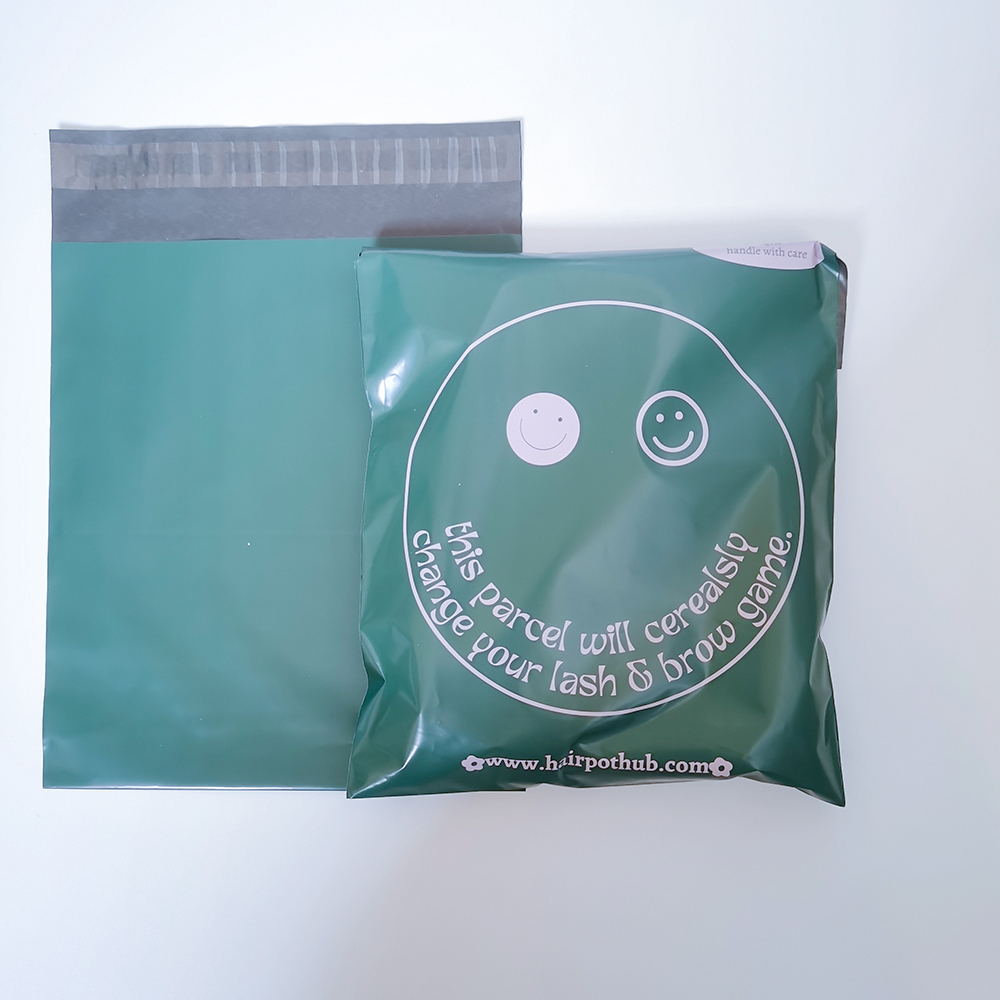
– Trusting unit price without total cost view: cheap per‑unit film may carry high return and rework costs. Remedy: calculate cost per successful delivery instead of cost per piece.
– Skipping carrier trials: lab tensile numbers are useful, but field trials catch real stressors. Remedy: run a 100‑unit carrier test across your worst‑case parcel sizes.
– Assuming print changes do not affect seal: varnishes, inks, or adhesive layers can alter heat transmission and sealability. Remedy: require final printed samples and confirm seals on those printed pieces — not on unprinted film.
These fixes are straightforward, and they save time when made early.
Practical checklist before signing an order
– Obtain sample rolls and run them through your machine and carrier network.
– Require batch QA reports that include gauge, tensile, and seal data.
– Confirm turnaround and contingency plans for material shortages or tooling issues.
– Verify ability to do first‑article inspections and accept/reject criteria in writing.
Advisory: three golden rules for supplier selection
1) Measure delivery success, not just material specs: insist on real carrier trials and documented edge‑burst rates under your shipping conditions. 2) Demand process transparency: if a manufacturer shares MD/TD orientation data, seal‑strength windows, and batch QC, you reduce surprises. 3) Plan for total cost: include returns, rework, and lost‑time incidents when comparing quotes. These metrics turn subjective promises into objective decisions.
For brands seeking a partner that combines engineering discipline with scalable production, aligning those rules points naturally to vendors who publish clear printed poly mailers wholesale capabilities and testing regimes. —
WH Packing is a practical example of a supplier that frames production choices around those same testable variables; the value is clear when your fulfilment metrics improve. —