
Putting the patient at the center
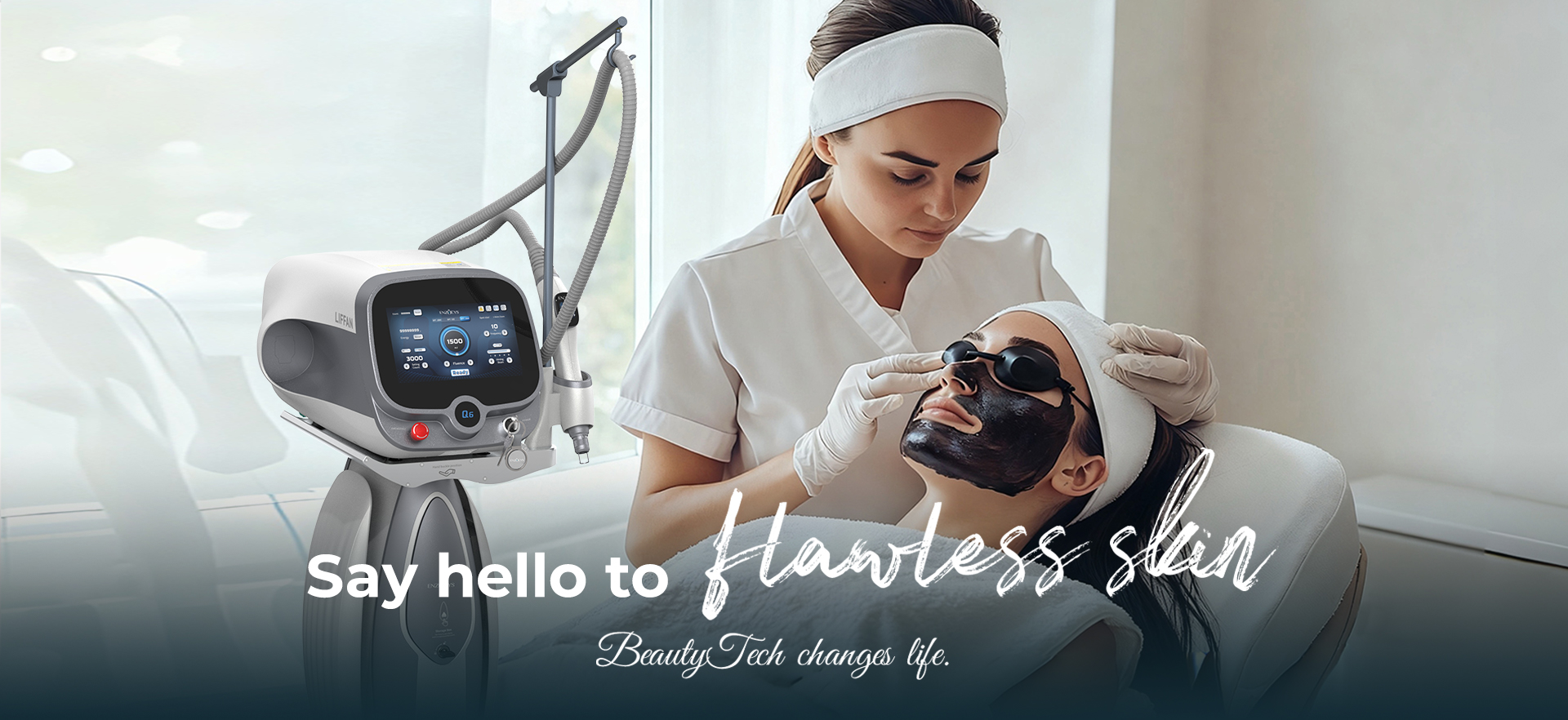
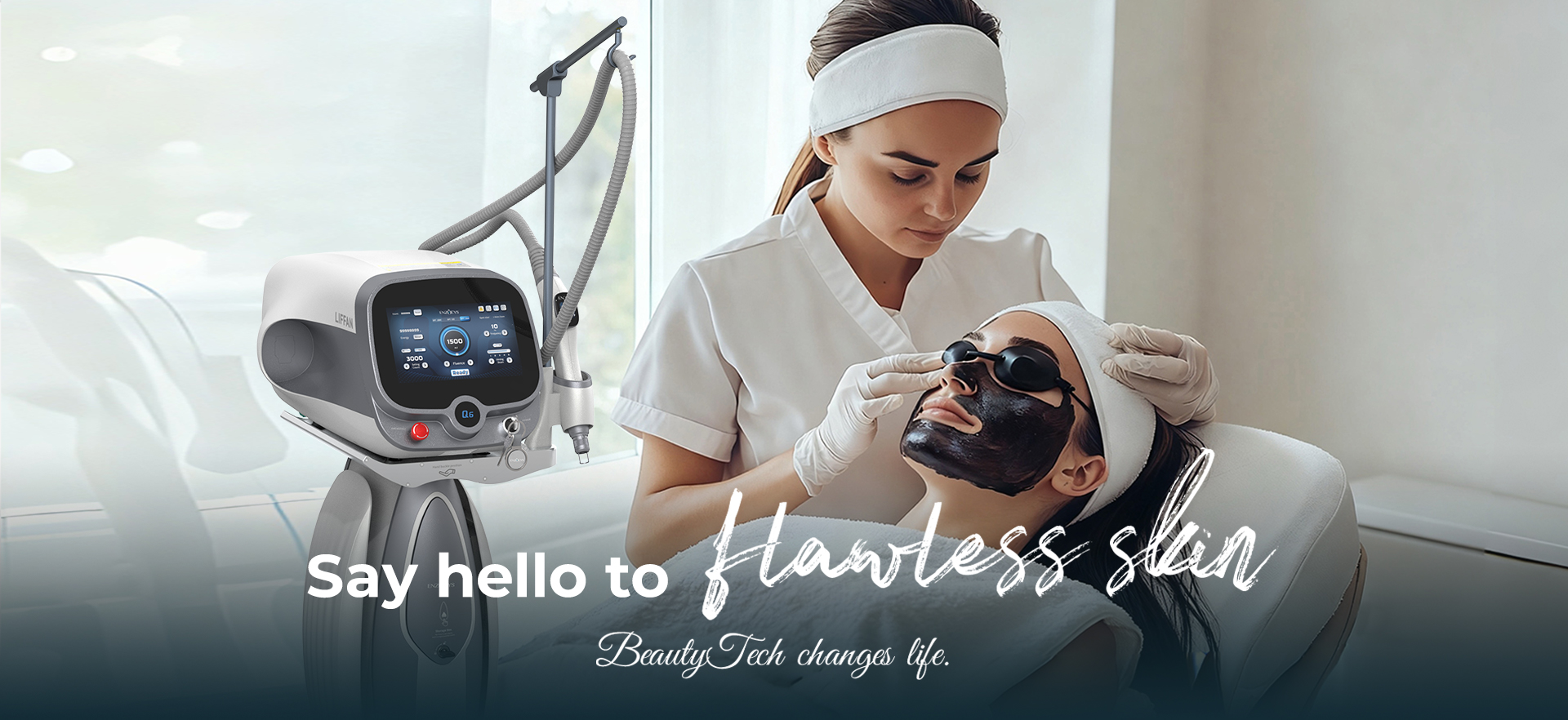
When clinics consider equipment upgrades, the decision often pivots on clinical outcomes and workflow efficiency — but the real measure is patient experience. A patient-centric deployment of the q switched nd yag laser machine means evaluating pain profiles, session cadence, and visible results alongside uptime and maintenance. In practice that looks like selecting settings that balance fluence and pulse duration for effective ink fragmentation while minimizing adverse effects and downtime.
How the device aligns with patient needs
Q-switched Nd:YAG systems are a go-to for multi-color tattoo removal because of their specific wavelengths that target different pigments. For darker inks, the 1064 nm wavelength penetrates deeper; for red and some orange inks, the 532 nm setting is often used. These wavelength options, combined with adjustable spot size and energy (fluence), let clinicians personalize each pass to skin type and tattoo color — and that tailored approach reduces overtreatment risk and improves satisfaction.
Clinical workflow: making treatments feel safer and faster
Adopting a user-focused workflow means more than the right settings. Start with clear informed consent, pre-treatment cooling strategies, and a staged protocol that spaces sessions according to ink response and skin healing. Incorporate objective metrics — standardized photographs, pain scales, and healing checklists — to track progress. This reduces guesswork for clinicians and anxiety for patients.
Common mistakes clinics make — and how to avoid them
Clinics aiming for speed sometimes push fluence too high or shorten intervals between sessions, which increases risk of scarring or hypopigmentation. Another frequent oversight is underestimating the impact of spot size on energy density: smaller spots concentrate energy and can burn; larger spots require higher fluence to be effective. Always calibrate on test spots and document settings per session. — It’s a small extra step that prevents big problems later.
Comparing alternatives and when to choose each
Not every removal job needs a Q-switched Nd:YAG. Picosecond lasers offer faster photomechanical disruption of ink and can reduce the number of sessions for certain inks, but they come with higher capital costs. For amateur black ink tattoos, the 1064 nm Q-switched device remains cost-effective and reliable. For stubborn multi-hued ink or when minimizing sessions is critical, consider a picosecond device or adjunctive modalities. If budget and training are constraints, pairing a Q-switched unit with robust protocols often yields the best balance of results and safety.
Real-world anchor: safety standards and regulatory context
Q-switched Nd:YAG lasers have been in dermatology use for decades and are widely accepted for tattoo removal; several devices hold FDA clearances or similar regional approvals for this indication. That regulatory history supports predictable safety when operators follow evidence-based parameters. Clinics in major markets, from New York City to London, rely on these systems as a core tool in aesthetic dermatology, underscoring their practical value in everyday practice.
Training, maintenance, and patient communication
Equipment is only as good as the people who use it. Invest in hands-on training covering wavelength selection, pulse duration adjustments, and troubleshooting for common artifacts. Routine maintenance — optics cleaning, calibration checks, and spot-size verification — protects performance and patient outcomes. And finally, set clear expectations: most tattoo removals require multiple sessions; fading is gradual; and post-care compliance affects the result as much as the device settings.
Three golden rules for clinic decision-making
1) Prioritize safety and measurable outcomes: ensure staff certification and document treatment parameters. 2) Match technology to your case mix: if you treat many colored tattoos, value wavelength versatility and consider advanced options like picosecond adjuncts. 3) Plan for total cost of ownership: include training, consumables, service agreements, and downtime risk when comparing units — not just sticker price.
Closing advisory
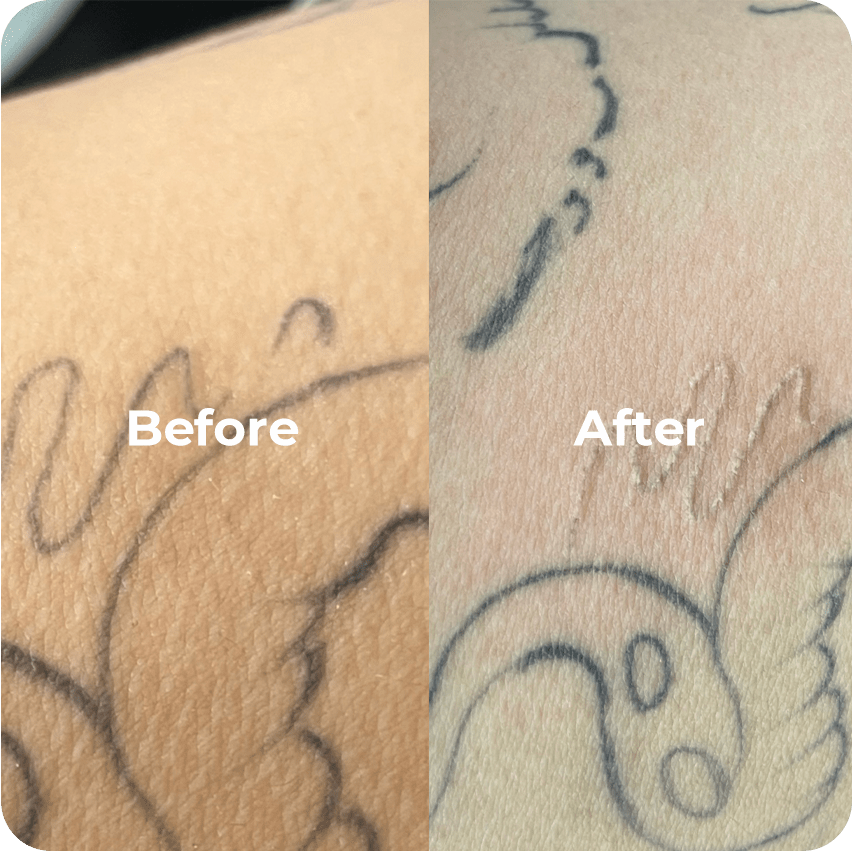
When you deploy a q switch yag laser tattoo removal machine, aim for systems and protocols that make sessions predictable, safe, and empathetic for patients. Evaluate vendors by their training support, maintenance plans, and clinical evidence — those are the things that actually move outcomes. —
ENZOEYS — a practical partner when thoughtful device selection and clinician support are the real keys to delivering better patient experiences. —