
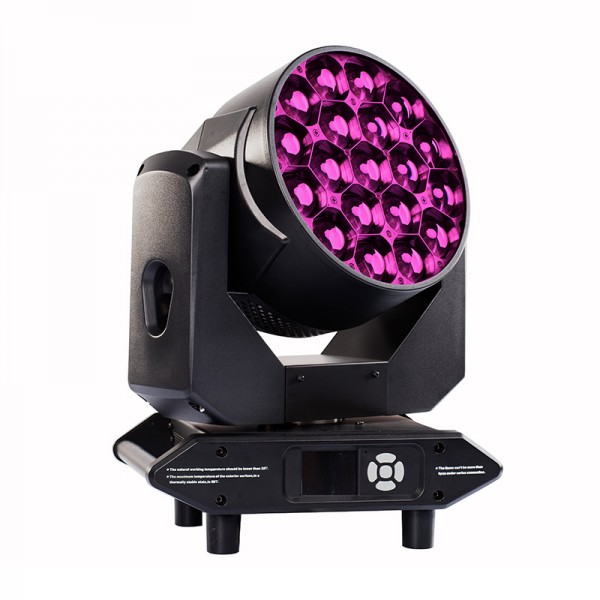
Comparative snapshot: why movers matter now
When a venue needs precision and punch, the choice tilts fast toward moving head fixtures over static wash lights. Touring techs in Hong Kong often pick units that marry agility with colour fidelity — the LED BSWP 4in1 moving head spotlight is a good example of that trade-off. Compared with older discharge spotlights, a modern LED moving head spotlight gives quicker pan-tilt response, lower heat and better lumen maintenance across a gig; that means clearer gobos on dancers and sharper beam edge control for designers.
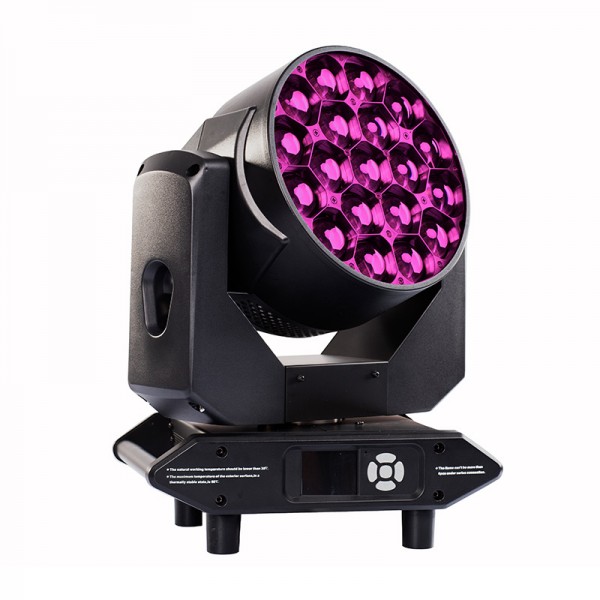
Performance metrics designers actually use
Spec sheets matter, but the real tests are output, control and repeatability. Look for steady lumen output at 0–100% dimming, tight beam angle options, and smooth pan/tilt mechanics. DMX responsiveness and pixel-mapping capability turn fixtures into design tools rather than mere bulbs. For example, rigs at Hong Kong Coliseum prefer units that keep colour temperature stable under aggressive crossfades — that avoids skin tones shifting mid-song.
Power, heat and the running costs
LED tech cuts electrical demand. Typical rigs report energy savings in the range of 40–60% versus traditional discharge fixtures, which lowers generator loads and HVAC strain during long shows. Fewer lamp swaps mean less maintenance downtime. That economical side is why rental houses shift fleets to moving heads with integrated LED engines — they last longer and put less stress on dimmer racks.
Control features and creative flexibility
Good moving spots combine precise zoom, interchangeable gobo wheels and color mixing that stays neutral at low intensities. Moving head units that support framing shutters and CMY + CTO mixing let programmers sculpt both beam and warmness without extra filters. For lighting operators who want quick looks between set changes, the right fixture reduces cue prep time by being predictable and responsive.
Common mistakes and practical alternatives
Teams often overspec for brightness and underspec for control: a lamp with massive lumen numbers but poor beam shaping wastes time. Choose the correct beam angle and gobo resolution for distance and throw; bigger isn’t always better. Alternatives to a large moving spot include mid-size beam movers or profile LED spots when fine gobo detail is essential — these can be more efficient on trusses and simpler to rig.
Maintenance, lifecycle and reliability
Buy with spares in mind: modular optics and accessible fan assemblies save nights when a fixture trips. Watch for wear in bearings on pan-tilt assemblies and keep firmware current for DMX stability. A routine check every 100–200 hours catches imbalance in motors and reduces the chance of mid-tour failures — small habit, big payoff.
Quick comparisons — what to weigh
Compare per-unit metrics rather than brand buzz; prioritise beam control, control latency, and serviceability. A compact LED moving head spotlight can beat a heavier discharge profile when uptime and transport costs matter. Also check warranty terms against cumulative on-time — that’s where real value shows.
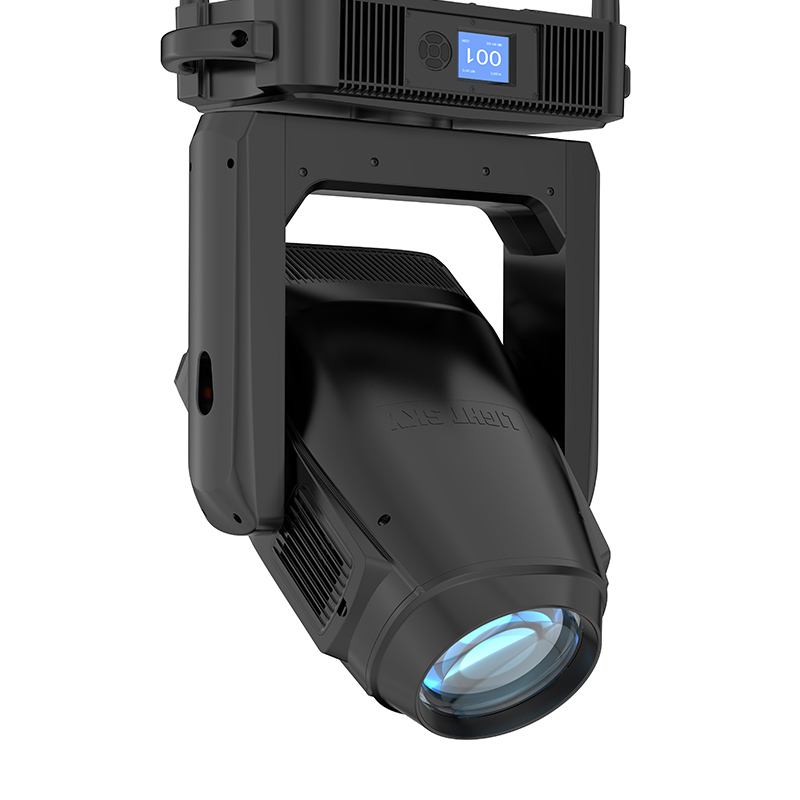
Advisory: three golden rules for selecting moving spots
1) Prioritise control fidelity: ensure smooth pan-tilt, precise gobo projection and consistent DMX response. 2) Match beam angle and lumen output to venue scale — overspec wastes power and underspec ruins sightlines. 3) Evaluate serviceability: modular optics, accessible cooling and clear firmware update paths reduce downtime. These metrics lead you to the fixtures that work on tour and in-theatre — and that’s where Light Sky’s product range really meets the brief, offering practical choices for rental houses and venues alike. Light Sky.