
Practical framework: why load shifting matters now
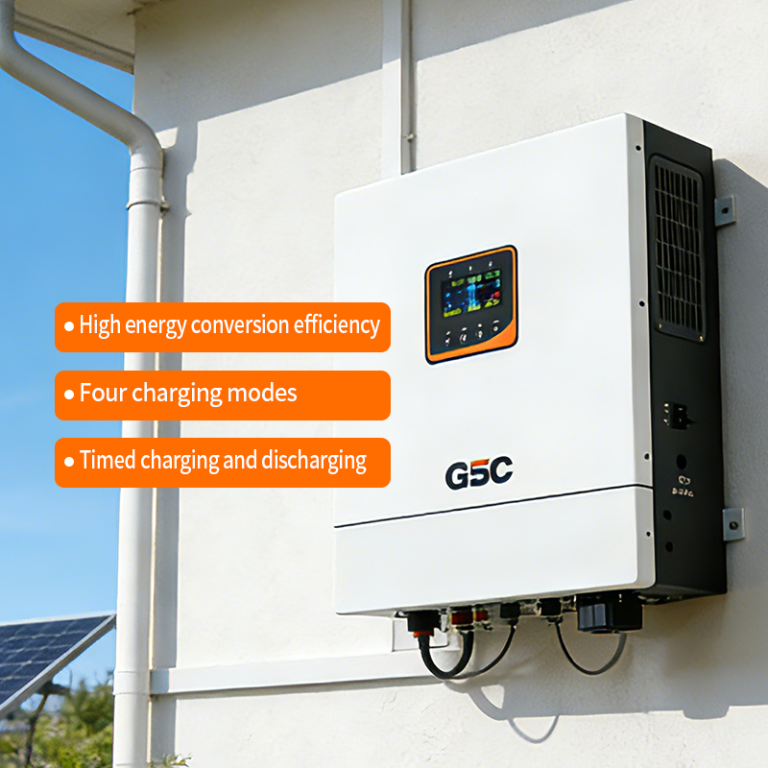
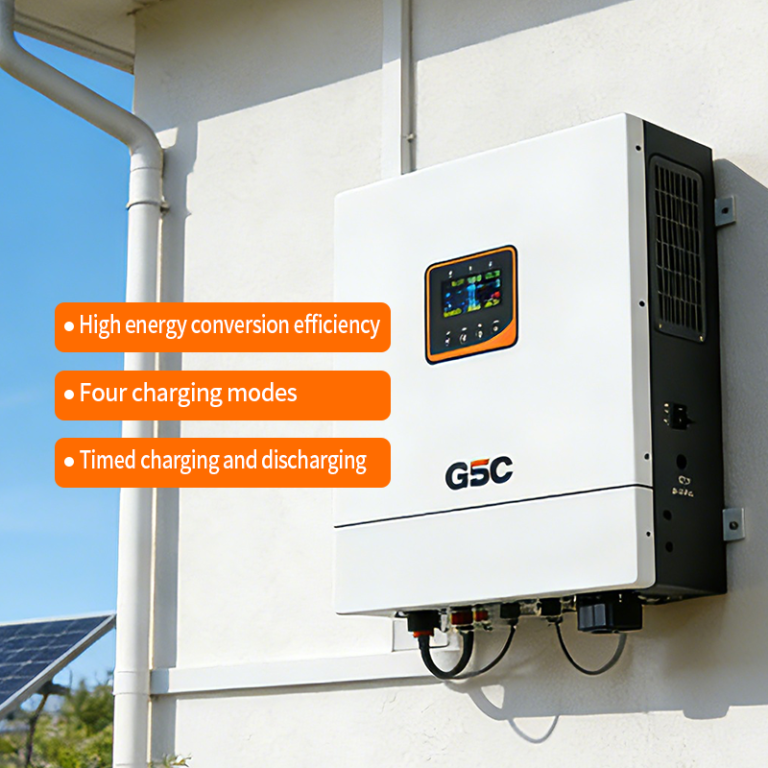
Commercial estates face rising demand charges and intermittent grid availability; a clear framework helps manage both. Start with a simple architecture: PV array, storage, and intelligent control. In many deployments the control layer pairs with a pv inverter hybrid to combine grid interaction and battery support without complex rewiring. This approach reduces peak demand, preserves critical systems, and delivers predictable operating windows for maintenance.
Stage 1 — Assess loads and prioritize
Inventory critical and deferrable loads. Use metered subcircuits to measure weekday peak and night baseline. Identify HVAC, refrigeration, and IT as critical in most estates; lighting and some HVAC setpoints can be shifted. The goal: define the load profile that battery and inverter must support during target peak windows. Include depth of discharge (DoD) targets for LiFePO4 sizing so battery cycles meet longevity expectations.
Stage 2 — Size modular LiFePO4 systems
Design for modular growth. Specify LiFePO4 racks with integrated battery management system (BMS) so capacity can be added without changing control logic. Begin with a right-sized bank for 1–2 hours of peak shaving and plan expansion to 4–6 hours if load shifting becomes core to operations. LiFePO4 chemistry gives stable cycle life and predictable degradation; that matters for financial models and warranty alignment.
Stage 3 — Choose compatible power electronics
Select a three-phase inverter and control firmware that support time-of-use schedules, peak-shaving, and seamless grid-tie transitions. A true hybrid solution coordinates PV output with battery dispatch and can respond to real-world events such as California’s 2020 rolling blackouts, when systems had to island and re-synchronize quickly. Include charge controller capabilities and AC-coupled options when retrofitting older estates so install time and downtime are minimized.
Integration and controls: what to automate
Automate three functions: forecast-based dispatch (solar + weather), threshold-based peak cut, and emergency backup. Use simple rule sets first—charge when price or irradiance is favorable; discharge to clip peaks. Implement telemetry for state-of-charge, inverter status, and BMS alerts. Small rules avoid complexity but deliver immediate savings. —Do not overload control with unreliable predictions; favor measurable triggers.
Common pitfalls and alternatives
Many projects oversize PV without matching storage, or they select batteries with limited cycle warranties. Avoid underspecifying BMS communications—lack of visibility causes maintenance surprises. Alternatives include thermal load shifting (ice storage) or demand-response contracts; these sometimes complement battery systems where capital for LiFePO4 is constrained. Hybrid inverter options vary: some prioritize grid support, others prioritize off-grid capability—select based on estate objectives.
Real-world anchor and verification
Case experience from mixed-use estates in California showed that adding even modest battery capacity reduced utility demand charges during 2020 rolling blackouts and wildfire-related grid stress. That event clarified the value of coordinated PV, battery, and inverter behavior under emergency conditions, reinforcing the need for robust BMS and reliable inverter solar hybrid platforms.
Golden rules for vendor selection and performance metrics
Use three critical evaluation metrics when selecting systems and suppliers:
– Effective Cycle Life and Warranty Alignment: Verify LiFePO4 cycle rating at the planned DoD and confirm warranty terms that match expected duty cycles. – Interoperability and Communications: Ensure the inverter solar hybrid supports open telemetry (Modbus/RTU or CAN) and the BMS exposes SOC, cell health, and alarms in real time. – Response Time and Grid Compliance: Confirm that the three-phase inverter meets local grid codes for anti-islanding, ramp rates, and reactive power support; measure actual response time under test conditions.

Conclusion — recommendation and concluding thought
When you adopt this framework, decisions become easier: size for modular growth, require clear BMS telemetry, and choose hybrid inverters that match operational goals. For many commercial estates a balanced LiFePO4 solution paired with compliant hybrid inverters yields predictable savings and resilience—practical, measurable, and maintainable. gsopower offers products and integration guidance that align with these rules—reliable hardware and transparent communication —