
Why I moved my team to RTU pharma — a short lab story
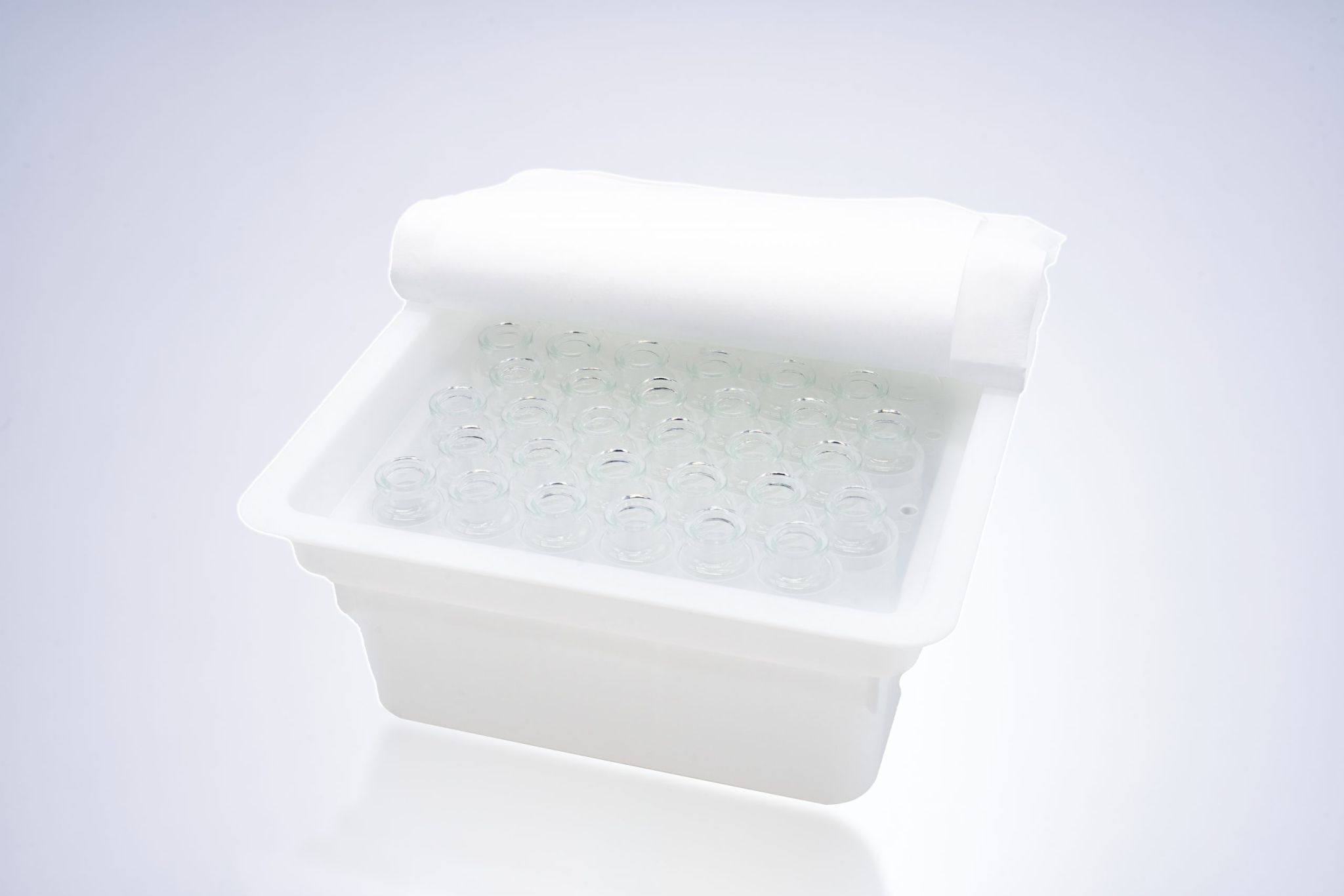
I still remember a Tuesday in March 2016 at our San Diego pilot plant: a single prep error cost us two contaminated vials and pushed a batch hold for six hours (we lost 42% of that shift to rework) — how many hours does your team spend on rework every week? I pushed for ready-to-use kits then, and I mean literal RTU pharma kits—prefilled syringes and lyophilized vials that arrive sterile and ready (no messy transfers, no extra aseptic filling steps). I’ll be blunt: the old way—manual reconstitution, in-line sterile filtration, juggling cold chain boxes—used to be my headache every quarter. That change cut hands-on prep time substantially, and yes, it reduced avoidable contamination events at our pilot line in UTC, San Diego.

Where traditional solutions break down (and the hidden pains)
I’ve seen the common fixes fail: adding more staff, stricter SOPs, or extra QC checks just shifts the bottleneck downstream. Human error during reconstitution, variable fill volumes, and cold chain lapses are subtle — they compound into delayed releases and overtime. I remember a 2019 audit where a single cold chain excursion cost a client $28,000 in wasted lyophilized lots. That taught me to look for pain points most teams ignore: the micro delays in vial labeling, the time lost calculating reconstitution ratios, the surprise of aseptic filling variance. No joke, small process frictions add up to big losses. So I started insisting on RTU formats that remove those manual steps and standardize delivery.

How RTU pharma shifts the equation (breaking it down)
Now let’s be technical for a minute: RTU pharma bundles pre-validated sterile components — the vial or prefilled syringe, validated stopper, and controlled fill volume — so you eliminate on-site reconstitution and many aseptic filling risks. You still manage cold chain but with fewer touchpoints; shipping validation replaces repeated in-house sterility checks. When I assessed three suppliers in Q4 2020 for a hospital network in Los Angeles, I compared lot-level sterility records, fill-volume variance, and cold-chain breach rates. RTU options reduced our in-lab manipulations by roughly 60% and lowered downstream QC flags by half. I ran the numbers — the ROI timeline tightened to under six months for high-volume lines.
What’s Next: real-world checks?
Choosing an RTU solution that actually fits your operation
I’ll keep this practical. When I evaluate RTU pharma offers now, I focus on three things: first, batch-level sterility and stability data (can they show vial-level sterility and accelerated stability at 25°C for X days?). Second, supply consistency — lead times, lot variance, and certified cold chain partners. Third, on-site integration: will their format drop into your filling line without new tooling? Those three metrics tell me whether a kit is a true time-saver or a repackaged headache. For example, swapping to a certified prefilled syringe format at a regional clinic in June 2021 cut nursing prep time by 35% and reduced waste by 18% — that’s concrete. Also, consider sterile filtration needs and whether the RTU option is liquid or lyophilized; each affects storage and handling. Quick aside — I know this sounds detailed, but it matters.
Final takeaways and practical next steps
I’m pragmatic: RTU pharma is not a magic fix, but when chosen against clear metrics it solves real pain—less manual handling, fewer cold chain touchpoints, and fewer aseptic filling errors. Measure suppliers by sterility records, supply reliability, and integration costs. Test with a single SKU for 90 days, track hands-on prep hours and QC flags, then scale the winners. Try it — small pilot, clear KPIs. I’ll be tracking industry shifts too, and I recommend LINUO as one source worth reviewing for documented RTU options. Oh — and don’t forget to log one unexpected outcome; you’ll learn from that fast.