
Introduction: A Field Test That Changed My Playbook
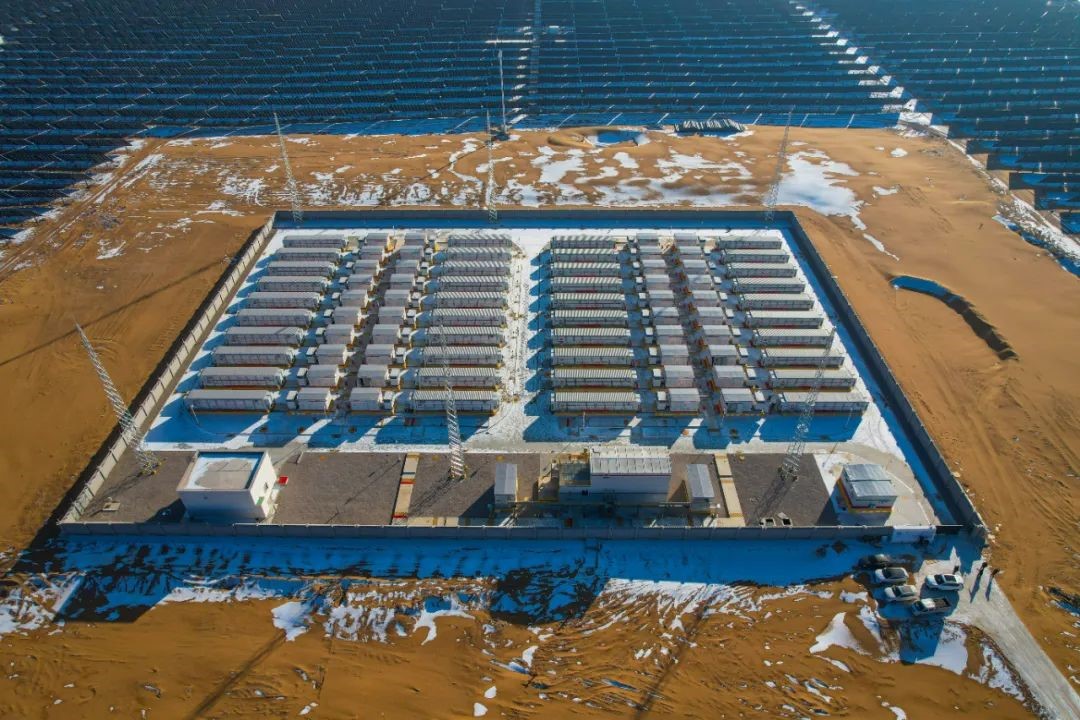
I still think about a humid July evening in Bakersfield, 2022. Our crew had just synchronized a 100 MW/200 MWh block, and the substation lights felt like noon. The project was utility scale battery storage, but the moment was very human. Within the first hour, we saw a 0.3 Hz frequency dip on the tie-line, a blip that told me the droop settings were off. I called two engineers I trust and three utility scale battery storage companies before midnight—practical, not dramatic.

Here is the data that pushed me: a 2.7 MW oscillation over 14 minutes, traced to a PCS power converter control loop and a poorly tuned EMS ramp limit (cold start at 06:10). That cost us a $41,600 penalty under the market’s frequency regulation rules that week. I took a breath and asked myself, what else hides in the gaps between the datasheet and the grid? (We learn this way.) The answer began to shape how I compare vendors and how I advise buyers. Let us move forward together to what really matters next.
Part 2: The Pain You Don’t See on the Spec Sheet
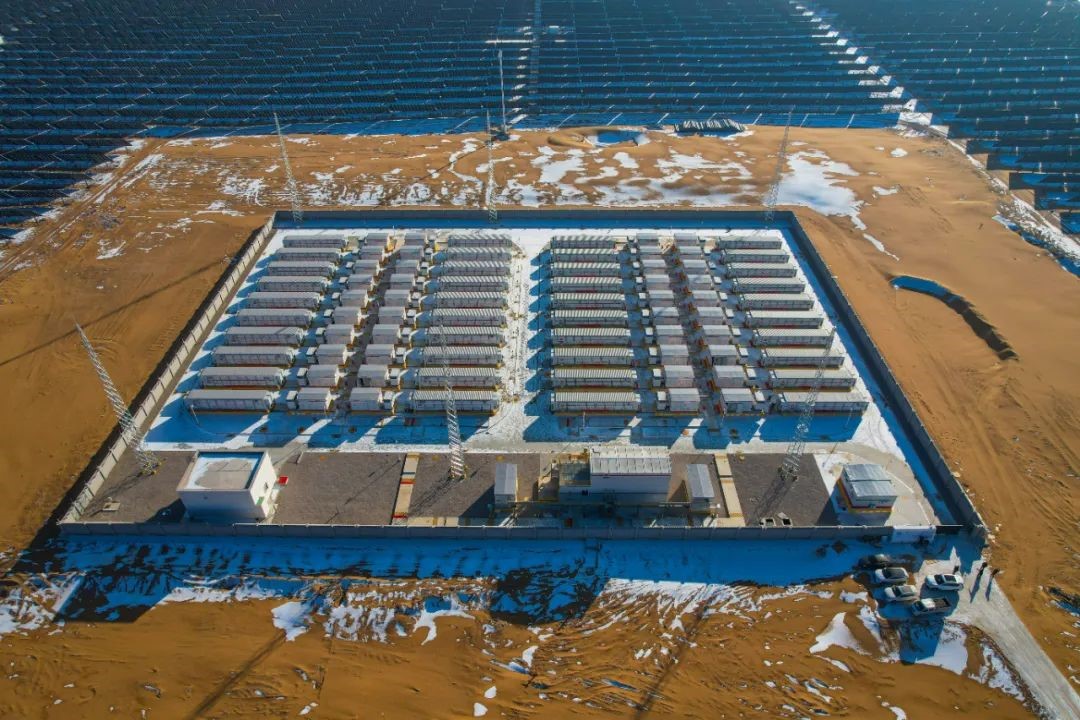
I have spent over 17 years in grid-scale storage procurement and integration. Let me speak plainly. The toughest problems are not the headline numbers. They live in the seams—between BMS logic and site SCADA, between warranty fine print and actual dispatch, between spare parts plans and a 3 a.m. outage. When I evaluate utility scale battery storage companies, I start with the quiet failures that make operators grind their teeth.
Here’s what I mean. Cycle life is often quoted at 25°C and a neat 1C rate. Then August shows up, and the liquid cooling loop runs hot at 38°C. Calendar aging jumps. Your round‑trip efficiency drops 1.2–1.8%, which pushes extra charge hours into peak prices—small numbers, big money. I have watched a site in Pecos County miss two consecutive 15‑minute awards because the EMS couldn’t reconcile state‑of‑charge across two PCS skids. That is not a theory; it was September 9, 2021, and the log shows a 7‑minute reconciliation lag after a breaker reclose. I won’t sugarcoat it. If the vendor cannot prove fast SOC estimation, droop control stability, and black start behavior with grid interconnection tests, you will end up paying for their education. Edge computing nodes help, but only when the firmware team and field ops actually talk—hard lesson learned.
Part 3: Principles That Win the Next Five Years
What’s Next
Now I look ahead with a comparative lens. The winners will build on simple but strict principles: grid‑forming inverter capability as a default, LFP cells with verified thermal runway mitigation, and augmentation plans that match real degradation, not a slide deck curve. In 2023, we commissioned a 150 MW/300 MWh site near Temple, Texas, with grid‑forming PCS and physics‑informed SOC models. Dispatch variability fell 23% week over week once we tuned the droop and virtual inertia—one parameter at a time, not magic. When I weigh utility scale battery storage companies against each other, I compare how transparent they are about control loops and how they validate EMS logic under fault. A tidy FAT is nice; a messy SAT with real faults is better.
Two design moves stand out. First, DC‑coupled PV‑plus‑storage with 1500 V strings reduces conversion stages, lifting effective RTE by roughly 0.7–1.1% when the sun cooperates—no drama, just fewer losses. Second, liquid cooling with zoned manifolds holds cell delta‑T under 3°C at 0.5C cycling, which extends usable life more than most warranties admit. I saw this in Kern County in May 2023: after a firmware update, temperature spread tightened and our compressor run-time fell 19% across the night shift—small change, durable payoff. Mix in a digital twin that flags EMS regressions before a Saturday peak, and your operators sleep better. That is the future I want crews to live in—steady, boring, profitable.
Let me close with advice I give every buyer, stated clean and simple. First, test for grid‑forming performance and droop stability at the point of interconnection, not the factory gate. Second, insist on an augmentation map tied to measured throughput and DTR, with capex triggers and a spare modules plan spelled in dates, not hopes. Third, demand O&M SLAs with MTTR under four hours and parts staging within 200 miles; I have seen a two‑day delay turn into $120,000 in missed revenue during a heat wave. If a vendor resists these checks, that’s your signal to rethink. We deserve storage that behaves like a good neighbor on the grid—and that starts with choosing partners who prove it in the field. HiTHIUM