
Comparative lead-in
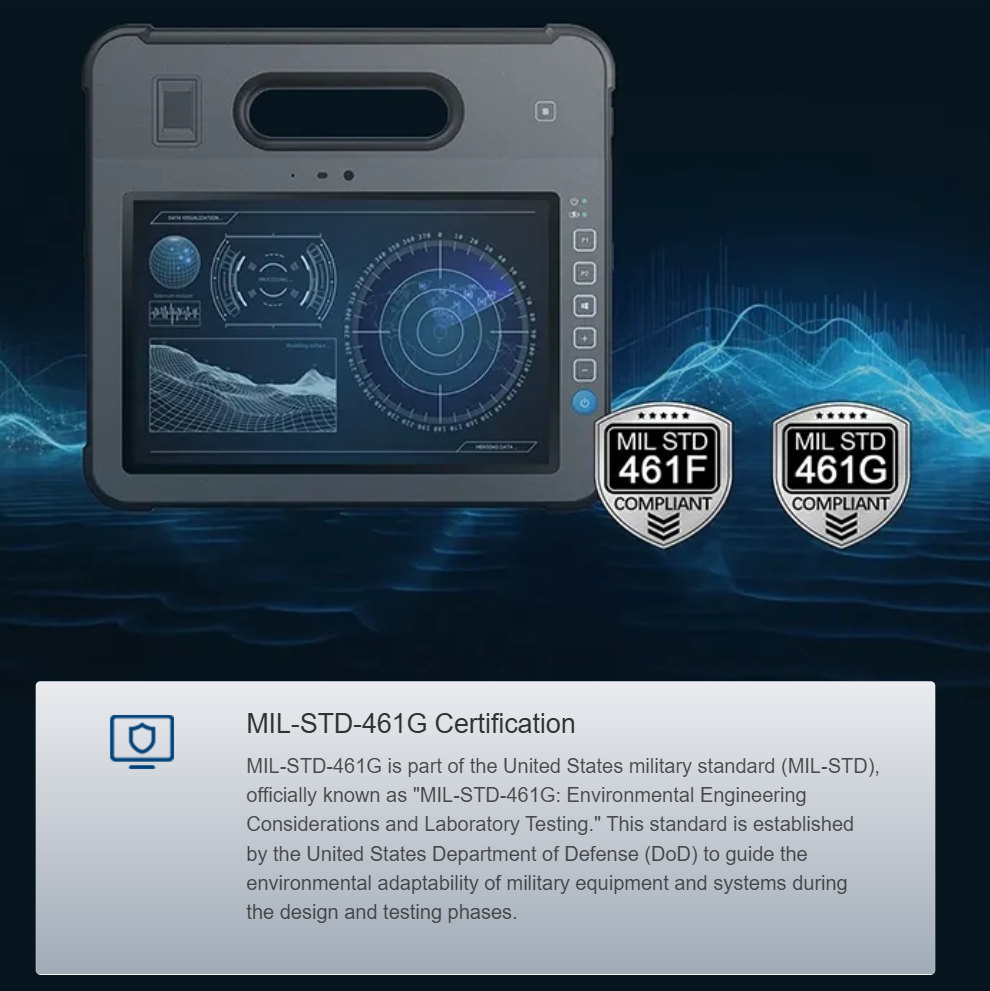
Designing a portable ground control station forces clear trade-offs between mechanical precision and readable displays. I compare devices built for fine positional repeatability against those optimised for daytime visibility, and show why a balanced choice often wins in the field. Here, the Rugged Handheld appears as a practical reference point for engineers and operators who need both tight micro‑tolerances and a display that performs under direct sun.
Mechanical tolerances vs. optical requirements
Micro‑tolerances demand rigid housings and precise connectors. Tight tolerances reduce play in mounts, protect alignment for antennas and sensors, and keep calibration stable after drops. At the same time, high daytime readability pressures require strong backlight output — typically measured in nits — and a display stack that resists washout. Engineers must weigh thermal expansion, gasket compression, and repeatable connector seating against display brightness and power draw. The result is rarely perfect on both counts; choices in materials, sealing technique, and display technology drive the outcome.
How the components play together
A robust solution pairs an IP68-rated enclosure with a screen engineered for high luminance and wide viewing angles. Add an ambient light sensor and adaptive backlight control to reduce battery drain without sacrificing legibility. Touch controllers and capacitive overlays change their behaviour when gloves or moisture are involved, so firmware and hardware need co-design. In practice, the most resilient systems use MIL-STD-810G test criteria for shock and vibration while tuning display drivers to maintain at least 800–1,000 nits for daylight use. This blend keeps calibration intact and the interface readable during long outdoor missions.
Field performance and a real-world anchor
Consider search-and-rescue sorties in northern Norway: teams operate at low temperatures, high glare, and remote locations where a single failure costs time. Devices that retained mechanical alignment after rough handling and stayed readable at midday proved far more effective. In one documented response, teams shifted to tablets with reinforced hinges and higher-brightness panels, reducing orientation and setup time by measurable minutes per incident. That operational context highlights why durability standards and display metrics matter together, not separately.
Common mistakes and useful alternatives
Manufacturers often over-spec one domain and under-resource the other. Typical errors include selecting a lightweight chassis that bends under torque, or choosing an ultra-bright panel without accounting for thermal throttling — both impair mission reliability. Alternatives worth considering are devices with modular display mounts and replaceable bezel seals, and models that expose display-driver settings for field tuning. For those focused on cost, mid-range designs with configurable power profiles and glove-friendly touch firmware offer the best compromise.
Three golden rules for procurement
1) Prioritise measured performance, not marketing claims. Require test data: brightness at 50% battery, IP ingress metrics, and connector retention torque. 2) Match environmental testing to mission profiles. If cold, vibration, and dust are expected, insist on MIL‑STD‑810G results and a proven IP rating. 3) Verify system integration. Confirm the touch controller, backlight driver, and mechanical mount work together under load — firmware updates can fix many issues, but physical misalignment cannot.
These metrics point directly to operational value and help avoid costly retrofits. Field teams gain reliable controls and readable displays that survive real use — and that is where a well-engineered rugged handheld device fits the mission. Final thought — choose solutions that were tested in conditions like yours, and you will save time and reduce risk.
Estone. —