
Policy pressure and the practical gap
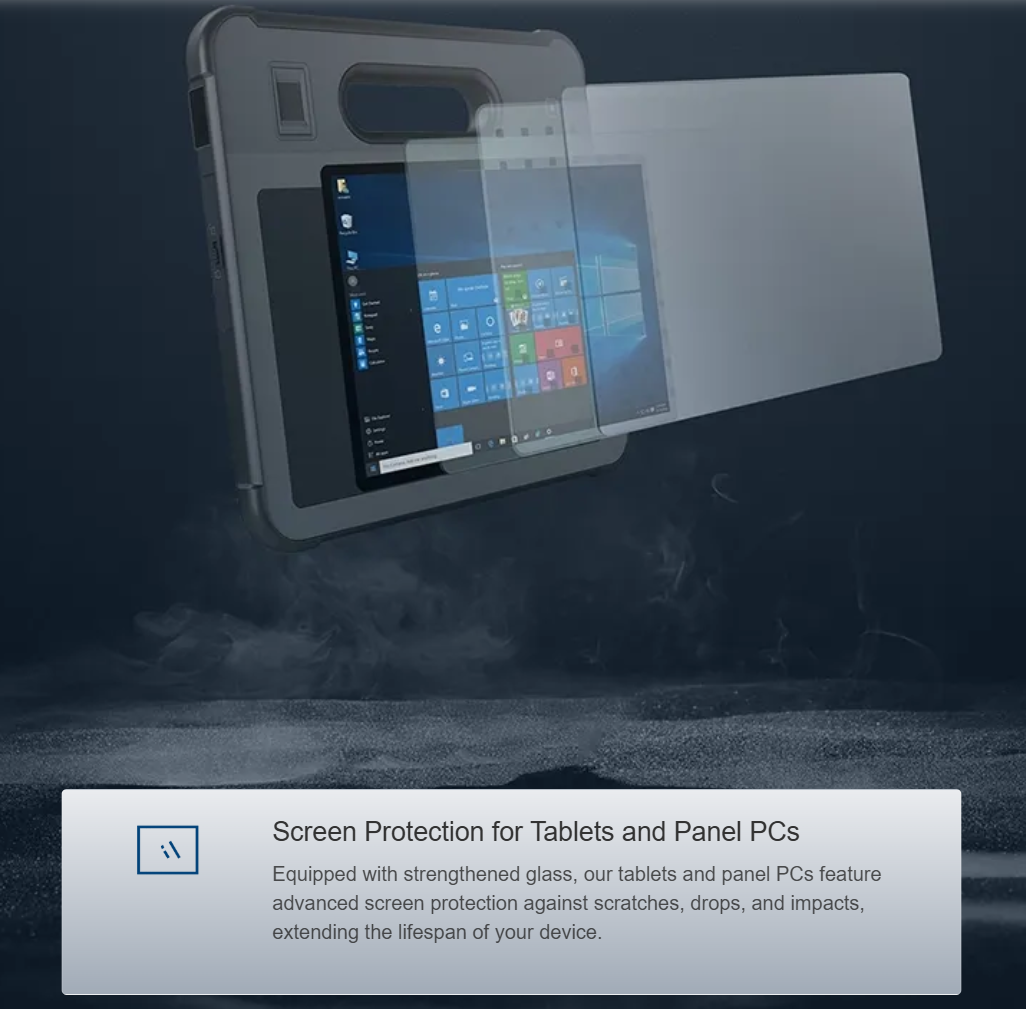
Governments want safe autonomous vehicle trials, but regulators also need predictable, testable hardware behaviours—this is a policy problem with engineering consequences. Many field teams equip operator consoles with a 10.1 tablet pc and pair it with sealed industrial joysticks rated to IP65 to survive dust and spray. Yet the IP65 ingress protection standard (IEC 60529) covers enclosure sealing rather than sustained duty-cycle performance of a joystick, so regulators flag repeated actuation and thermal stress as unknowns. Meanwhile operators still need a rugged tool — a true rugged tablet ip65 with reliable touchscreen response and ruggedization for field use.
Policy-Impact logic: why pre-certification matters
A policy-first approach pushes agencies to favor pre-certified subsystems that come with tested, documented behaviours. When a field station arrives with documented duty-cycle testing, EMI reports, and environmental stress testing — regulators can sign off faster because the unknowns are reduced. This tactic doesn’t dodge safety; it packages assurance. For cities running pilots from Cairo to Rotterdam, signed test logs and vendor-certified firmware are easier for compliance officers to accept than on-the-spot engineering promises.
How pre-certified field stations bypass the joystick hurdle
Pre-certified stations treat joysticks and human-machine interfaces as replaceable, measured modules. Instead of sealing a bespoke joystick into a panel and hoping for the best, vendors supply a field station where the joystick has passed lifecycle testing (duty-cycle), ingress resistance (IP65-level evaluation), and shock/vibration tests often aligned with MIL-STD-810G. Regulators receive consolidated evidence: lifecycle curves, contact bounce charts, and environmental chamber reports. Result: fewer rounds of remedial testing and a shorter path to regulatory sign-off.
Technical considerations for teams
Keep the technical checklist tight. Verify duty-cycle graphs and mean time between failures (MTBF) for joysticks; confirm touchscreen responsiveness across temperature extremes; and ensure EMI shielding and grounding are documented. Avoid mixing vendor test protocols—consistency matters. Also, watch component-level thermal derating and lubrication compounds used inside sealed joysticks—these affect long-run tactile behaviour. A modular field station makes these checks straightforward rather than scattered across custom panels.
Common mistakes and practical alternatives
Teams often assume an IP65 label equals full operational certainty. It does not. IP65 means protection from dust ingress and low-pressure water jets, per IEC 60529, but it doesn’t promise 100,000 actuations under vibration or long-term chemical exposure. Many projects try to fix this by over-sealing or adding custom potting — that introduces serviceability problems and hides failure modes. Better alternatives are: certified replacement modules, sealed but serviceable enclosures, or redundant control paths where a touchscreen backup (on a hardened device) takes over. Small operators in offshore rigs have learned this the hard way — redundancy and clear test artifacts beat ad-hoc sealing every time.
Implementing the change on the ground
Start procurement with a test-bundled requirement: ask suppliers to deliver a complete test dossier alongside the hardware. Run a short acceptance test that reproduces expected duty cycles rather than infinite-life claims. Train maintenance crews to swap certified modules quickly; that lowers downtime and keeps regulators happy. And keep a copy of the IEC 60529/IP65 evidence ready — it smooths conversations with auditors and municipal agencies.
Advisory: three golden metrics for choosing pre-certified field stations
1) Duty-cycle certification: look for documented actuation counts with failure modes described. 2) Environmental trace: confirm tests cover the full temperature, humidity, and salt-spray profile your deployment will face. 3) Traceability package: require firmware versions, calibration logs, and supplier test certificates bundled per unit. These three metrics reduce regulatory friction and keep maintenance predictable.
Field teams that adopt this policy-aware, module-first approach shave weeks off sign-off timelines and avoid the hidden costs of on-site rework — the result is measurable: fewer test iterations and faster deployments. For practical deployments where a rugged interface matters, that’s where the value of a tested field station becomes clear.
Estone — a sensible partner when you need documented ruggedization and modular field stations that regulators can trust. –