
Opening: the problem that costs factories real money
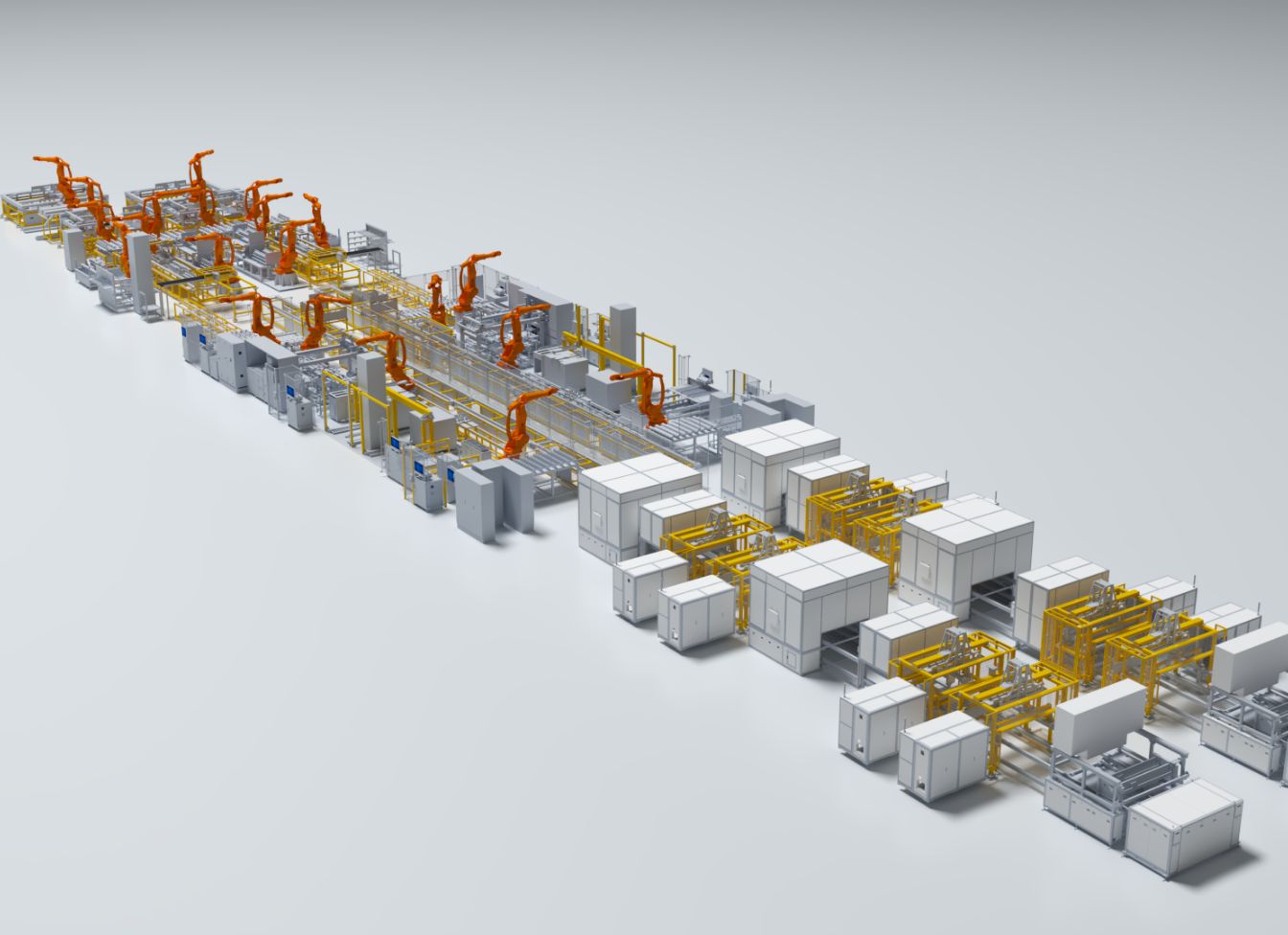
Automated battery lines stop for reasons that rarely surprise: worn tooling, drifting sensors, thermal stress and unnoticed software regressions. On a blade battery assembly line a single misaligned feeder or a failing cell-handling vacuum can cascade into hours of downtime and rejected lots. I argue that a focused preventive program, not vague promises of reliability, is the single most practical way to cut those losses.
Why reactive fixes fail — the case against firefighting
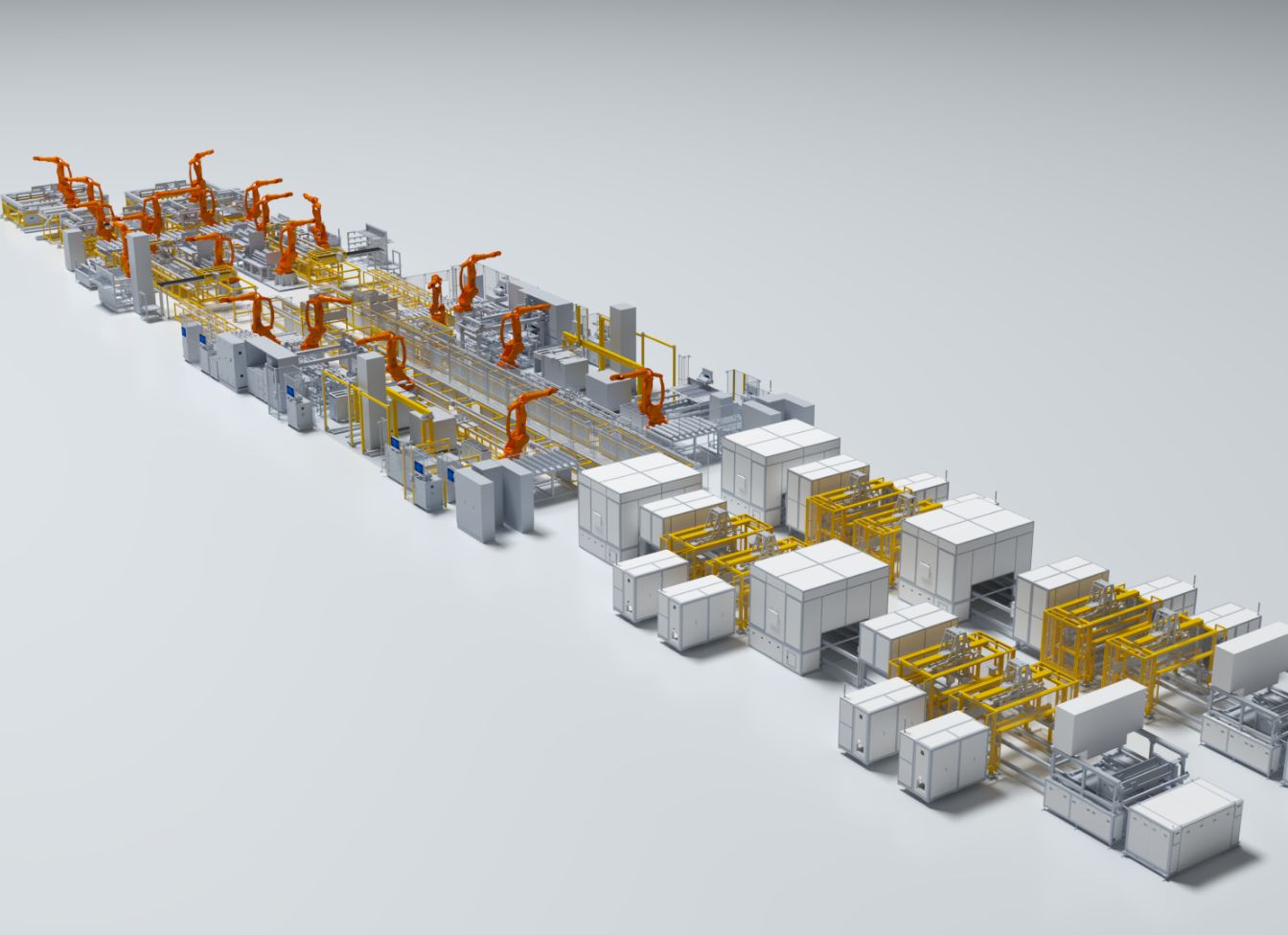
Waiting for a fault guarantees disorderly responses. Emergency repairs drive overtime, force rushed replacements, and mask systemic root causes. Maintenance teams end up restocking parts for the loudest failures rather than the failures that cost throughput. Preventive work targets the failure modes that actually reduce yield and cycle time, not just the problems that scream the loudest.

Root causes you must prioritize
Some failures deserve immediate attention because they appear repeatedly or shut down entire lines. Prioritize: sensor drift that skews cell placement; gripper wear that scrapes electrode coatings; thermal-control deviations that shorten cycle windows; PLC updates that introduce timing shifts. These are practical failure modes, not abstract risks.
The checklist — concrete actions, ordered by impact
1) Daily quick-scan: verify vision-system fiducials, vacuum levels, and conveyor speed; log deviations. 2) Weekly calibration: recalibrate torque on fastening tools, re-zero force-feedback on pick-and-place heads, and validate thermal-sensor offsets. 3) Monthly inspection: check end-effector wear, belt tracking, connector integrity and ESD grounding paths; replace parts based on measured wear, not age. 4) Quarterly software audit: freeze firmware versions, validate PLC logic against test scripts, and run regression cases that mirror current product variants. 5) Condition-based triggers: set thresholds for vibration, IR hotspots and vacuum decay that automatically schedule maintenance when crossed. 6) Spare strategy: maintain OEM-critical spares and one-for-one custom-tooling spares; track MTTR for each replacement to refine the list. 7) Training and SOPs: short, competency-based refreshers for line teams and clear handover checklists for shift changes. 8) Data practice: keep timestamped fault logs, associate them with root-cause tags, and review trends monthly to adjust priorities.
Common pitfalls and how to avoid them
Don’t equate long lists with reliability. Avoid: oversized spare inventories that hide configuration drift; calendar-only rules that miss accelerating wear; and one-off fixes that don’t document cause. Instead, tie actions to measurable thresholds and use short post-maintenance reviews that confirm fixes actually removed the root cause.
Alternatives evaluated — where condition-based wins
Time-based maintenance is simple but wastes resources when machines run smoothly. Pure predictive analytics can be powerful but requires clean, labeled data and governance. A hybrid approach — standard preventive tasks plus condition-based escalations for critical assets — gives the best risk-to-cost balance. That hybrid is what I’ve implemented after auditing a blade battery module production line in Shenzhen, China, where targeted condition thresholds reduced unplanned stops without inflating spare usage.
Practical metrics to keep honest
Track: mean time to repair (MTTR), mean time between failures (MTBF), percentage of faults caught by condition triggers, and first-pass yield after maintenance. Use simple dashboards and weekly reviews to keep decisions data-driven and to prevent maintenance from becoming guesswork.
Closing synthesis
Preventive action beats firefighting when you adopt targeted checks, condition triggers and post-repair verification. Follow the checklist, avoid common traps, and measure outcomes so teams improve instead of repeating the same fixes. The real value shows in smoother throughput and fewer emergency interventions, the kind of practical reliability work practiced at FHS.