
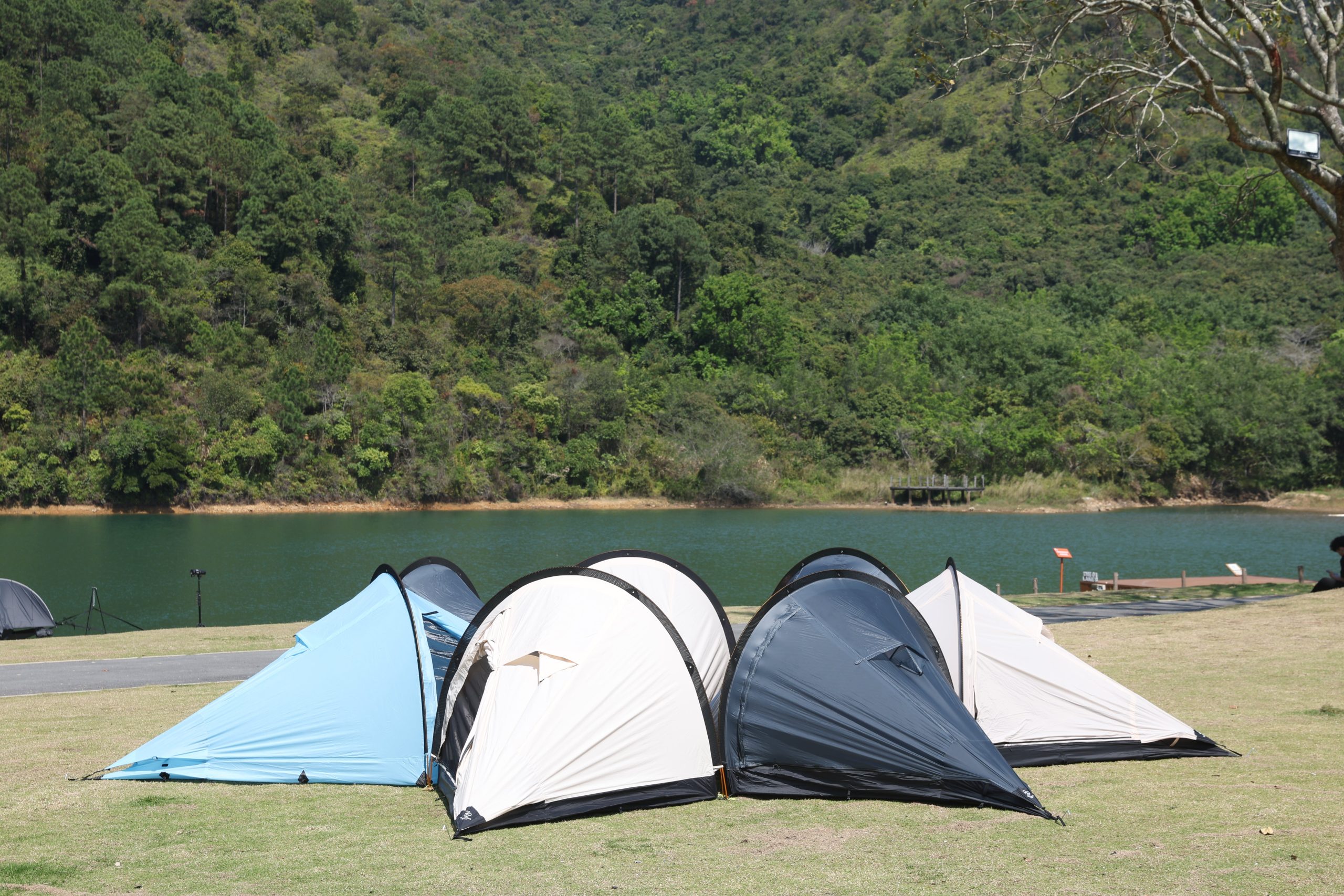
Opening: The Problem That Starts Every Quest
First-time buyers stand before a mountain of options and a single clear problem: choosing a tent that will not betray them under rain, wind, or a restless night’s cold. I have guided dozens of new campers from confusion to confident choice, and I watch the same traps recur. Practical answers and a few tested curiosities — like the quiet resilience of the thecatal outdoor design line — matter more than prettiness on a product page. I once sheltered a party beneath a prototype smart shell during a three-day spring storm near Moab, Utah; that hands-on trial taught me which seams, poles, and vestibules actually hold up when the sky opens.

Core Problems First-Time Buyers Face
They buy for looks and regret it when wind howls; they pick “lightweight” and discover condensation every night; they overpay for features they’ll never use or buy too small and crowd friends. Setup complexity becomes a morale sink; unclear season ratings invite cold surprises; missing a footprint or repair kit turns small tears into trip-ending leaks. Choose the wrong size, and comfort vanishes; ignore ventilation, and you’ll wake soaked in damp breath. Solve these problems by treating each choice as a practical spell, not a fashionable flourish.
Checklist Essentials — What to Decide and Why
Capacity: pick one size larger than the number of sleepers to allow gear and movement. Season rating: three-season covers spring to fall; four-season resists heavy snow and high winds. Weight and pack size: match the tent to the travel style — car camping tolerates heft, backpacking does not. Setup type: freestanding tents ease pitching and swap-flat testing; non-freestanding can be lighter but needs attention to layout. Materials and stakes: aluminum poles and strong guylines survive repeated storms; cheap stakes bend. Floor durability: heavier-denier floors resist wear; use a footprint where abrasion is likely. Rainfly and vestibule: full-coverage rainfly and a roomy vestibule protect gear and give a dry entry. Ventilation: mesh panels and adjustable vents cut condensation. Repairs and parts: verify replaceable poles and available patches. Ease-of-use: can one person pitch it quickly at dusk? Pack those answers against the conditions you plan to meet.

Common Pitfalls and How to Avoid Them
Buying solely on price invites failure; save a bit more for key durability. Relying on photos hides seam quality — inspect taped seams and ask about seam sealing. Ignoring pitch practice leads to fumbling at the campsite; test-pitch at home once. Overlooking stakes and guylines causes instability; carry backups. Assuming “lightweight” means usable in weather is dangerous — check fabric denier and pole strength. Forgetting to check vestibule space leaves wet boots in the sleeping area; measure gear volume against vestibule capacity. Skip impulse purchases. Make each choice by matching features to real situations you can describe clearly.
Alternatives Worth Considering
Dome tents: stable and simple; good for mixed conditions and easy setups. Tunnel tents: excellent space-to-weight ratio, strong in predictable wind if oriented correctly. Cabin-style: roomy and comfortable for group car camping; heavier and bulkier. Bivy sacks or tarps: minimal and ultralight for single travelers who accept exposure trade-offs. Hybrid shelters: combine a tent body with a separate fly or inner for modular use. Pick the style that solves the biggest problem you face — whether weight, space, or storm resistance — rather than chasing a single “best” label.
Final Synthesis: Choose With Purpose, Not Panic
First-time tent buying ends when a clear problem meets a practical answer: size that fits gear and people, weather rating that matches seasons, weight that suits your travel mode, and a setup you can perform blindfolded at dusk. Field experience, measured testing, and a few stormy nights teach what spec sheets cannot. Let those lessons guide you so the nights feel intentional rather than accidental, and you’ll find a steadier path in designs from THECATAL, where considered details answer the very problems that begin every camping journey.