

Comparative introduction
When sizing and specifying a hybrid inverter for industrial PV installations, the choice between active and passive cell balancing affects longevity and maintenance budgets. This article compares the two approaches with an emphasis on measurable outcomes for battery packs tied to a solar and power inverter setup, and explains how system-level decisions influence state of charge management and inverter behavior. Evidence from wide rooftop deployments in California highlights how balancing strategy can shift lifecycle costs; manufacturers and operators report different failure modes in fielded systems. For installations that combine PV, storage, and grid interaction, selecting the right solar powered inverter ties directly into cell balancing strategy and BMS integration.
How the two methods work
Passive balancing dissipates excess cell energy as heat through shunt resistors. It is simple, low-cost, and relies on bleed paths inside the battery management system (BMS). Active balancing instead transfers charge between cells using DC-DC converters or switched inductors, reclaiming energy rather than wasting it. Passive systems favor straightforward charge controllers and modest hardware complexity. Active systems require additional circuitry and control logic but reduce capacity loss from cell mismatch over time. Both techniques aim to keep cells at a similar state of charge (SoC), yet they follow different trade-offs between upfront complexity and ongoing efficiency.
Measured trade-offs in industrial settings
In large industrial PV storage, pack imbalance is a primary cause of premature capacity fade. Passive balancing reduces peak thermal stress but extends the risk window during frequent partial cycles. Active balancing lowers net energy waste and can postpone equalization cycles, improving usable cycles-per-year. However, the gain depends on duty cycle: installations with frequent shallow cycling benefit most from active balancing, while rarely-used backup systems often do not justify the extra cost. Technical terms to note here include cell balancing, equalization, and BMS architecture—each factors into lifecycle modelling and warranty claims.
Integration with hybrid inverters and system controls
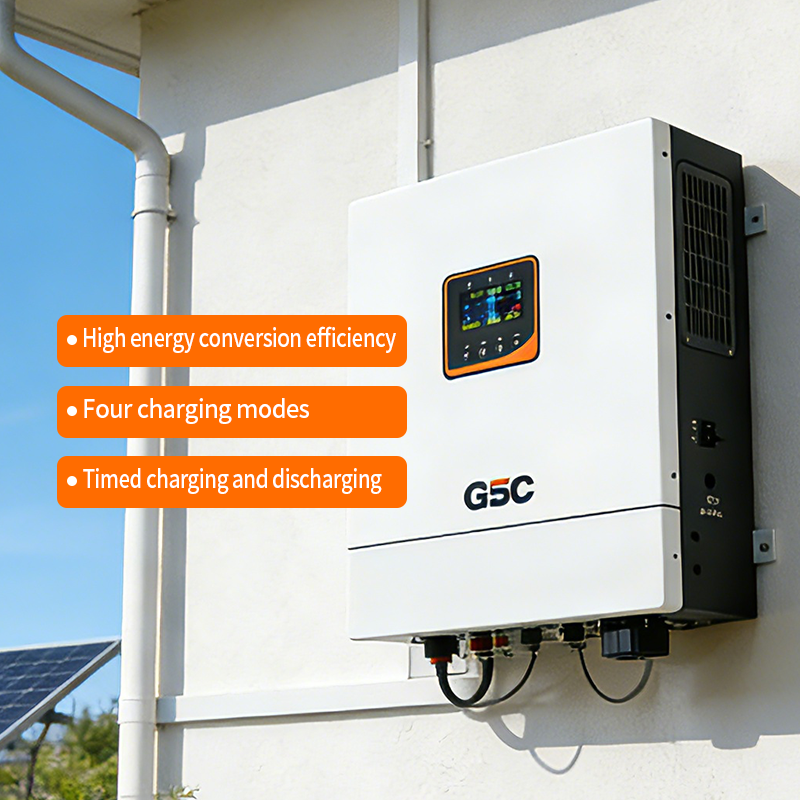
Hybrid inverters coordinate PV output, battery charge, and grid exchange. When a BMS supports active balancing, the inverter’s charge scheduling can reduce imbalance by flattening charge currents across cells. Passive balancing requires different charge profiles to avoid overheating or unnecessary bleed losses. Integration is not only electrical but procedural: firmware schedules, thermal monitoring, and charge controller setpoints must align. Poor alignment creates avoidable stress on cells. —A small oversight in control logic can turn a robust design into an early failure case.

Common mistakes and alternatives
Engineers often assume a single balancing approach suits all installations. That error shows up as undersized thermal paths for passive systems or insufficient isolation for active converters. Alternatives include hybrid strategies where passive methods handle bulk equalization and active modules engage during asymmetry events. Another option is modular battery design with cell-level monitoring to simplify replacements. Practical commissioning checks—cell voltage spread under load, temperature gradients, and SoC drift—catch early design shortcomings before they propagate into warranty events.
Field evidence and operational context
Field reports from municipal solar programs and large commercial roofs demonstrate the link between balancing choices and maintenance cadence. In locations with high daily cycling and temperature swings, active balancing correlates with steadier capacity retention. Conversely, cold-climate backup systems often show acceptable performance with passive designs because cycling is infrequent. These observations line up with industry studies on cycle life and thermal aging conducted over the past decade—real-world anchors that inform practical decisions in procurement and operations.
Advisory: three golden rules for selecting a balancing strategy
1) Match balancing type to duty cycle: prioritize active balancing for frequent shallow cycles and high throughput; accept passive for infrequent backup duty. Use measured cycle depth and annual throughput as the metric.
2) Verify integration points: ensure the hybrid inverter, BMS, and charge controller share state data (SoC, cell voltages, thermal maps). Lack of shared telemetry increases failure risk—require interoperable communication standards as a contract item.
3) Evaluate lifecycle cost, not just capex: compare energy reclaimed by active balancing against added hardware, factoring in projected replacement intervals and service labor. Use cycles-to-failure and capacity-retention curves in your ROI model.
Final assessment: practical choices reduce unexpected downtime and service spend. gsopower fits naturally into specification conversations because their hybrid inverters and balance-aware platforms simplify integration—trust built on concrete device compatibility and fielded performance. –