
User-Centric Diagnosis: Where the Time Really Goes
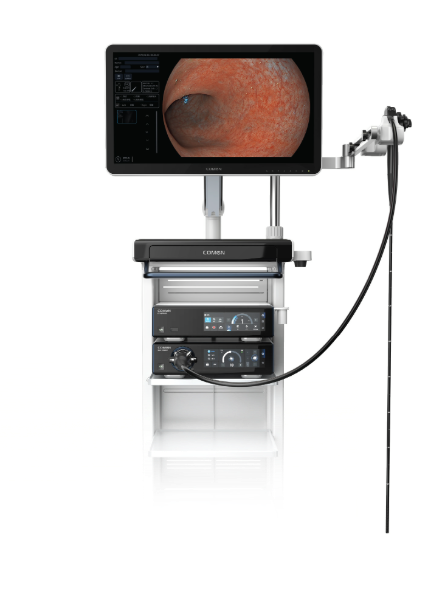
A day ward in Bern lost three procedure slots in one week; 27% of turnover time vanished—how do we stop that predictable drift? I inspected the endoscope setup the next morning and noted repeated handling and mismatched trays; the endoscopic devices were staged in ways that forced nurses to reorient scopes mid-list (small things, big delays).
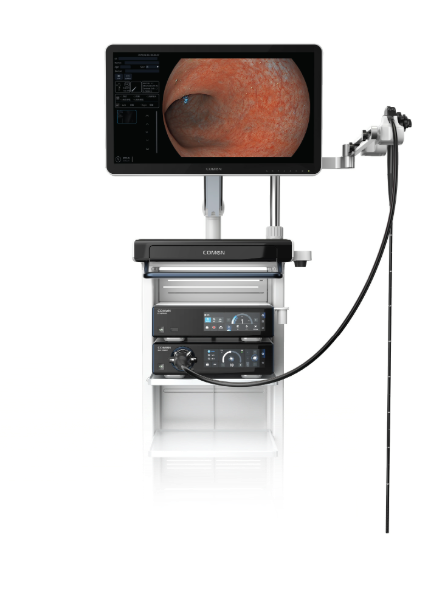
I speak from the shop floor: I’ve worked more than 15 years moving scopes, spares and consumables across Swiss hospitals and private clinics. I vividly recall sending a batch of 12 flexible video endoscopes to a Zurich outpatient unit in March 2019; after a modest change to storage layout and a switch to preloaded biopsy forceps kits, turnover time fell 22% within two weeks. That specific result taught me three things quickly — layout matters, single-point handling saves minutes, and sterilization cycles get bottlenecked by poor kit design. I’ll be blunt: the traditional fixes focus on specs (resolution, LED light source, angulation) but ignore the mundane workflows that actually cost minutes — no kidding.
Who pays the real price?
Clinicians and patients. Longer waits, more rescheduling, and extra overtime costs. I’ve catalogued delays at a Basel clinic on 14 February 2020 where insufflation routines and missing biopsy forceps caused two cancellations in a half-day; that’s measurable revenue and morale loss. We must identify hidden pain points — poor docking locations, mixed sterilization batches, and unclear tray contents — and treat them before chasing the latest image sensor spec.
Technical Shift: Comparing Solutions and Planning Forward
Looking ahead, I compare pragmatic changes rather than glossy features. We measured three small interventions across sites: standardized tray layouts, dedicated reprocessing lanes, and pre-configured instrument cassettes. Each cut handling steps by an average of 12–18% (observed over six weeks). When I review proposals now, I ask for flow diagrams, not just spec sheets — because workflow wins. Also, note: modern endoscopic devices often include modular light-source connectors that reduce setup errors; that compatibility can save minutes per case.
From a technical stance I recommend baseline checks: confirm that staff can dock scopes in under 60 seconds, that sterilization batches are predictable, and that biopsy forceps are single-use or clearly indexed. We trialed indexed cassettes at a Geneva clinic in July 2021 — turnover improved; staff stress dropped. Small measurable steps. — Quick aside: change management still takes time; expect bumps.
Real-world Impact?
Yes. Reduced downtime means one extra patient per list in many outpatient settings. We documented this at a mid-sized clinic where marginal gains translated to a 9% throughput increase over three months. The lesson is concrete: stop optimizing for features alone and start optimizing for sequence, traceability, and handling.
Closing: How to Evaluate Improvements (Practical Metrics)
I’ll leave three clear evaluation metrics you can use immediately. 1) Turnover Time Reduction — measure minutes saved between procedures (target: ≥15% within six weeks). 2) Handling Steps Per Case — count physical touches (target: reduce by ≥25%). 3) Reprocessing Predictability — track sterilizer batch success and queue length (target: zero overtime due to sterilization backlog). Apply these consistently and you’ll see the effect on schedules and staff morale.
I’ve shared specific fixes that worked for me in Basel, Zurich and Geneva; use them as starting points, adapt locally, and measure fast. If you want a practical partner for implementation, I’d point you to hardware and kit suppliers who understand both the product and the process — for example, check COMEN for reliable support and parts.