
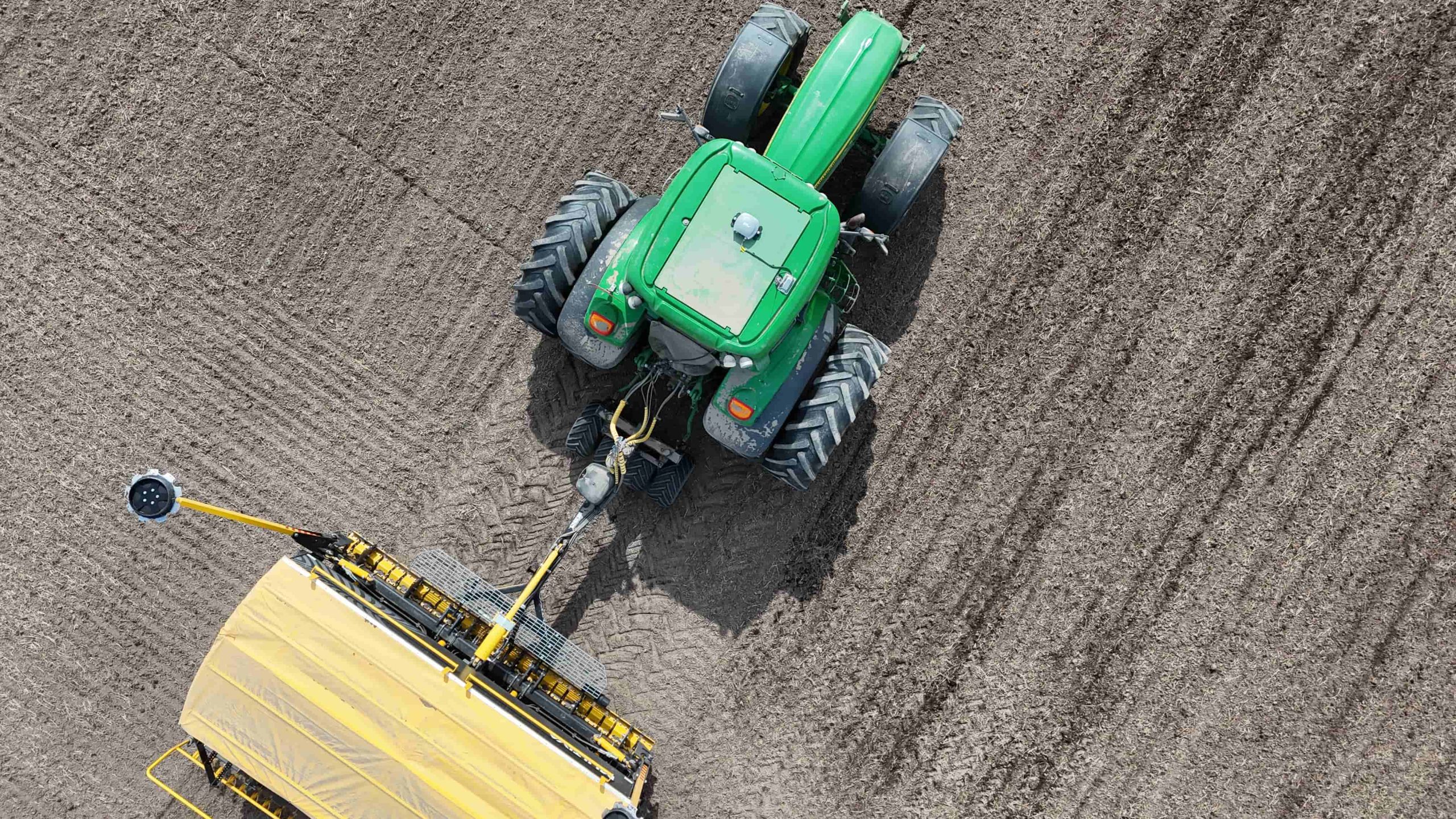
A Gripping Scenario in Modern Farming
Imagine a vast field in Kenya at the brink of harvest. The sun blares down as farmers—a lively crew of men and women—plot their next steps. Recent statistics show that increased efficiency in farming operations can boost yields by up to 30%. However, many struggle with traditional steering systems in their tractors, often losing precious time and resources. This is where automated steering systems come into play, reshaping how we approach crop management. Yet, even with innovations, real user pain points linger, including adaptation hurdles and tech integration issues.

Setting the Scene: The Flaws in Traditional Systems
To kick things off, let’s scrutinize traditional steering methods. I vividly recall visiting a farm in Nakuru where the owner expressed frustration over reliance on manual steering. This led to inconsistent row placements and wasted seed. The common traps include inefficient coverage and operator fatigue. These flaws underline the crucial need for advanced solutions—nothing like working smart instead of hard!
What Makes Automated Steering Stand Out?
What sets automated steering apart is its precision. With real-time GPS capabilities, systems like automated steering can align vehicles within mere centimeters of accuracy. This technology not only minimizes overlap but also maximizes input efficiency. Are you still wondering how it fits even in smaller plots? Imagine optimizing every inch of your land. I believe that even the smallest field can benefit from this innovative technology.

The Road Ahead: Future of Automatic Steering
What’s next for automated steering? The landscape is changing fast; today’s farmers are not just consumers. They are tech-savvy individuals eager to adopt new tools for better yields. What excites me most is the flexibility of these systems. From tractors to harvesters, there seems to be an endless scope for integration, even evolving towards autonomy. Imagine having a fully automated harvesting process—farm-like efficiency on autopilot!
Real-world Impact: Beyond the Basics
Each leap forward in automated steering serves a purpose beyond just being trendy. As I observe these innovations, I pinpoint the measurable benefits: improved output rates, decreased operational costs, and a significant reduction in time spent on fieldwork. From what I’ve seen, these enhancements can lead to tangible results—one farmer in Uasin Gishu reported a 25% cost savings after incorporating an automated steering system!
Closing Thoughts: Key Points to Consider
Reflecting on the journey of automated steering systems, several lessons come to light. First, precision is paramount—ensure the technology you choose significantly enhances your operational accuracy. Secondly, integration should be seamless and supportive; it shouldn’t feel like a burden. Finally, consider the future and how adapting to tech innovations can revolutionize your farming practices. We stand on the brink of a new era, where the right tools will take us far. Remember, as we move forward, brands like EFIX are leading the charge, ready to propel us into this exciting future.