
Introduction: A Real Room, Real Stakes
I walked into a boardroom where twelve people spoke softly, and two remote teams strained to catch every word. The conference room mic system was new, shiny, and still the call felt heavy. Numbers say up to 64% of hybrid meetings lose clarity in the first ten minutes—due to noise, cross-talk, or delay. Yet the room looked perfect. So why did the audio feel tired? In Thai style, we say “cha-cha,” slow steps. This happens when signal paths fight each other. The DSP tries to fix echo cancellation, but poor mic placement and weak gain structure undo the work. Beamforming can help, yes, but only when the room and the people fit the design. Then the question hits: is the bottleneck the gear, the layout, or the spoken flow (krub/ka)? — funny how that works, right?
Today, we compare choices with a calm lens. What changes when you pick one path over another, and how does it affect people in the room and online? Let’s move into the core.
Part 2: The Deeper Layer—Hidden Friction with “Discussion Device” Setups
Why do legacy chains misbehave?
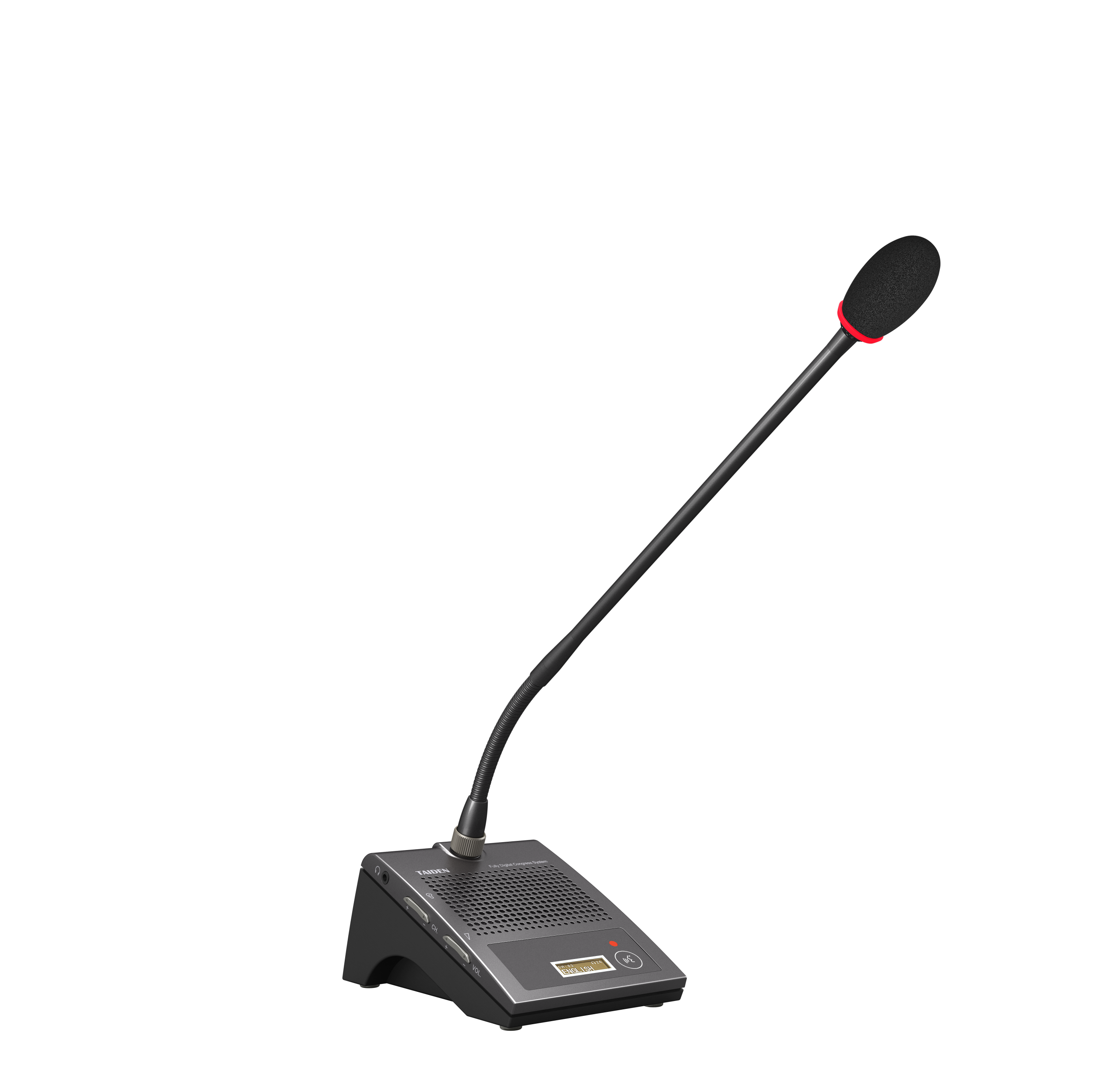
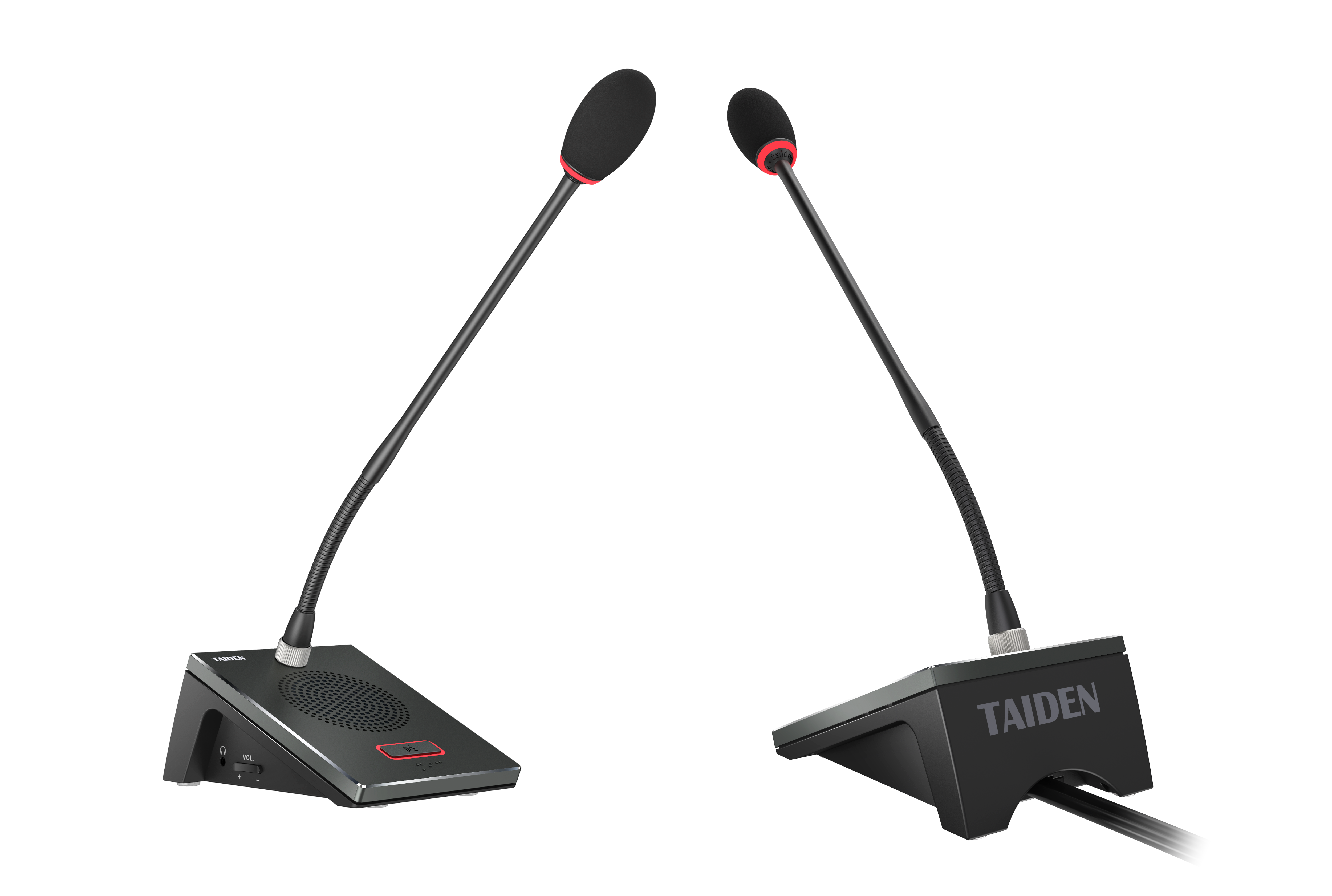
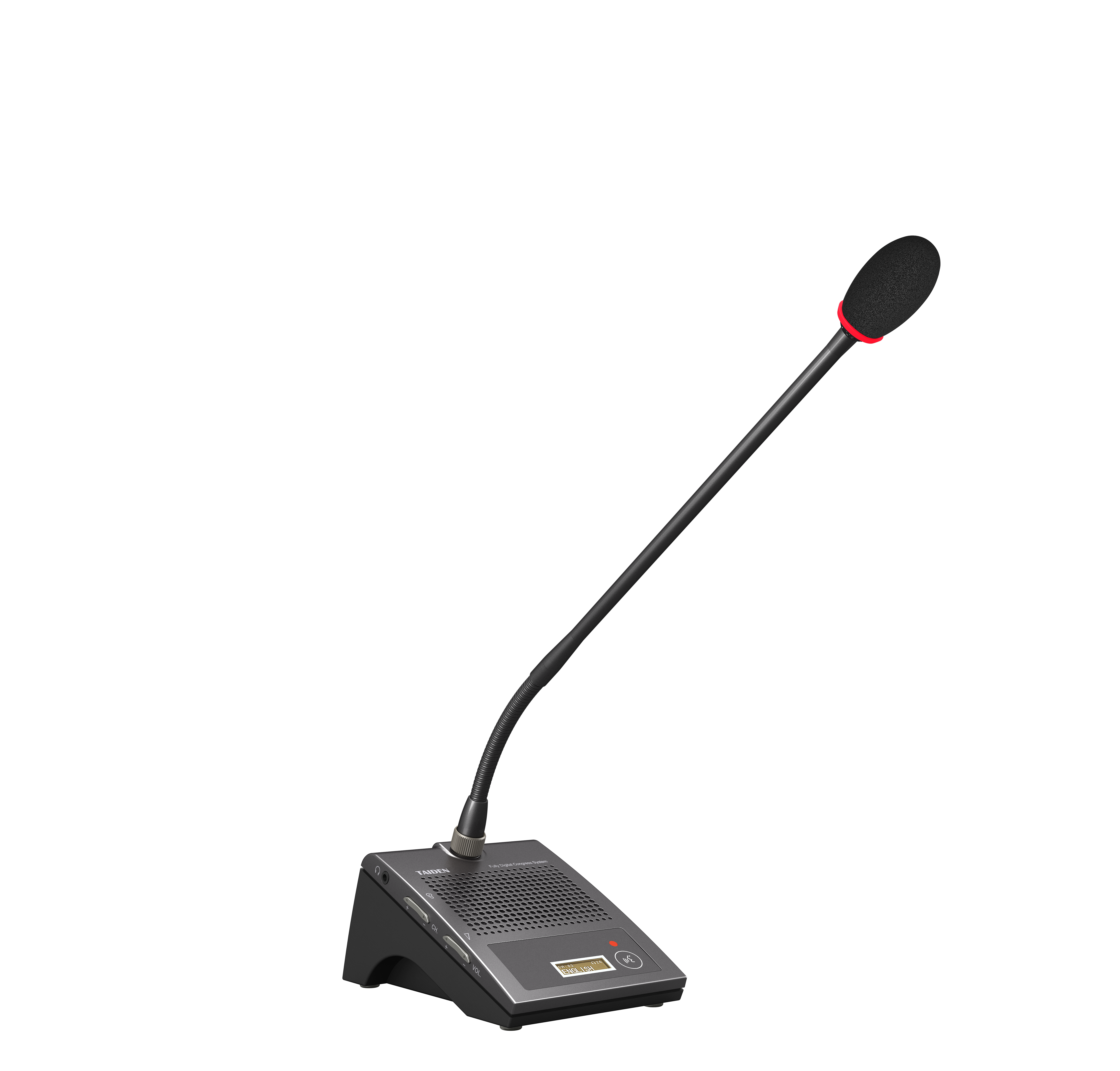
Many rooms rely on a discussion device at each seat. It looks neat and formal. But the deeper pain sits under the surface. People shift chairs, lean back, or whisper. Gain sharing auto-mixers chase voices and raise noise floor. Acoustic echo cancellation (AEC) struggles when outputs bleed into open mics, then latency stacks up. RF shielding can fail near cheap power converters, so a buzz sneaks in. And when phantom power is mismatched across tables, the signal-to-noise ratio tanks in quiet moments—funny how the smallest buzz gets the biggest blame, right?
Look, it’s simpler than you think. A discussion chain works best when inputs are predictable. In real life, talkers are not. The lobe pattern, the table reflections, even badge lanyards tapping a mic body add micro-noise. Old-style push-to-talk can reduce bleed, but it breaks flow. Users feel stage fright. The result: clipped phrases and repeats. Even with Dante or AES67 transport, poor gain structure feeds a feedback suppressor too hard. The cure is not always more DSP. Sometimes it is fewer open capsules, smarter priority logic, and clear mic discipline. When protocols fight behavior, behavior wins.
Part 3: Forward-Looking Fit—Principles That Make Clarity Travel
What’s Next
New rooms take a different path. Think principles, not just parts. Start with capsule quality and predictable pickup. A well-tuned gooseneck condenser microphone anchors a voice with stable tone. Then add adaptive auto-mixing that reads who is active, not only who is loud. Modern DSP tracks speech onsets, freezes room noise learning, and releases softly. Edge computing nodes can sit close to the mics to tame latency and keep AEC stable. With PoE and clean clocking, network jitter stays low. Compare this to a fully open table array: that design can shine in a treated space, but in a hard room it captures chair scuffs and keyboard taps. Different rooms, different wins. The trick is matching pickup geometry with human habits—small changes, big lift.
We also see transport getting smarter. AES67 streams with QoS hold their lane, while low-latency codecs protect lip-sync. Fewer open mics reduce gain chasing, so the auto-mixer breathes gently. When you mix a refined discussion flow with guided mic etiquette, clarity rises, and fatigue falls. Summing the lesson: legacy bundles were rigid; people were not. The future leans flexible—modular devices, clean preamps, sane defaults. Advisory close: measure three things when you choose. One, intelligibility at the back row (not just SNR, but how fast people stop asking “sorry?”). Two, end-to-end latency from capsule to speaker. Three, stability under change—does your chain hold when seats move, or when a guest dials in late? Keep it human, keep it simple, and let the tech stay quiet in the background—funny how that is the loudest improvement. For deeper exploration without hype, see TAIDEN.