
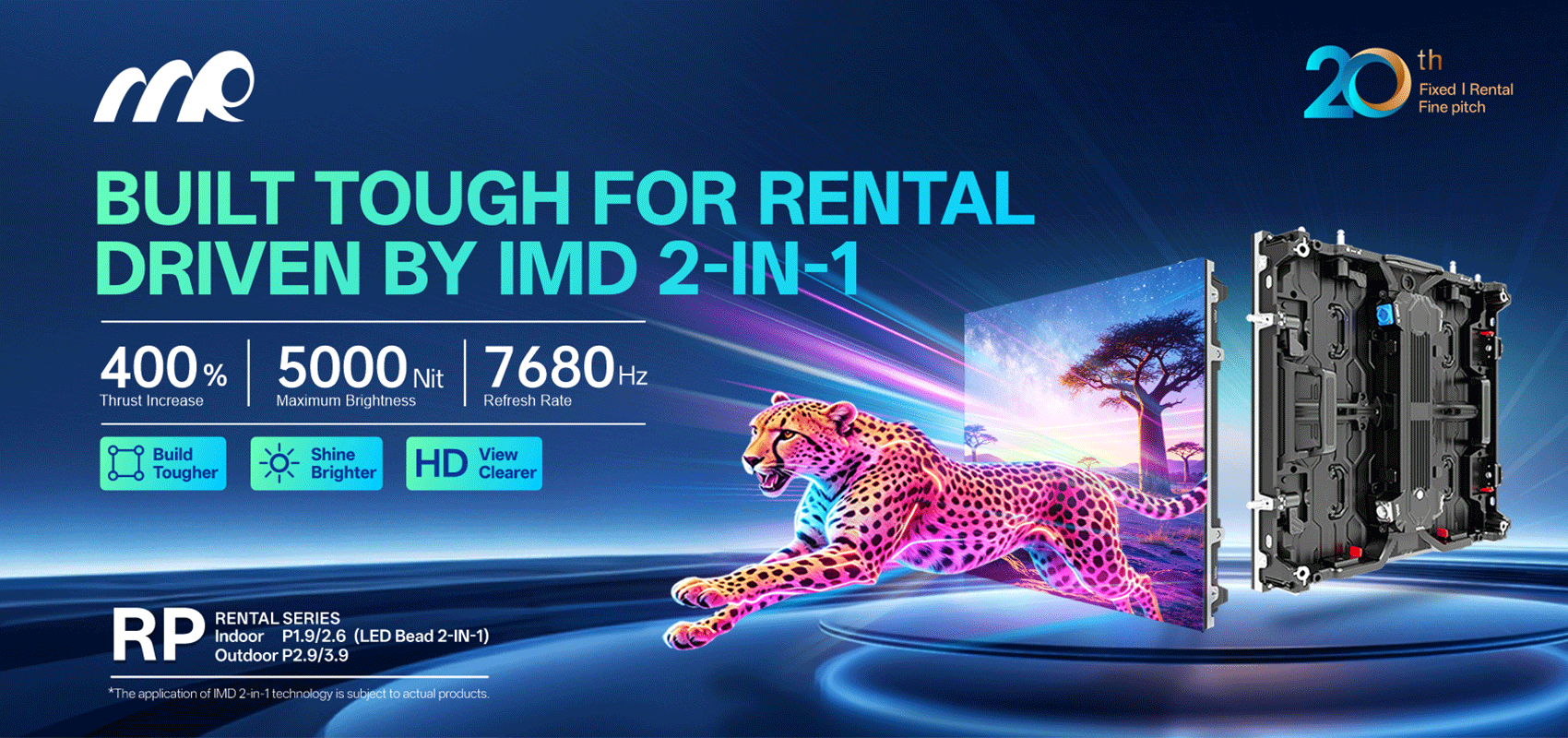
Why the problem persists on site
Most failures I see on installation days stem from two stubborn sources: poor module calibration and inaccessible cabinets. Field teams arrive with a set of led display solutions specified on paper, but real-world tolerances—uneven brightness, mismatched colour temperature, and cramped service space—turn a straightforward fit into a day-long diagnosis. These issues affect pixel pitch uniformity and perceived refresh rate, and they compound quickly when time is tight.
Typical root causes observed
Several patterns repeat across projects, whether a small corporate backdrop or a large concert rig. Key culprits include:
– Incomplete module calibration at factory; colour LUTs left generic rather than tuned per batch.
– Cabinet designs prioritising cost over front-service access, leaving no room for driver IC replacement on site.
– Poor record-keeping: missing serials and mismatched modules that upset colour mapping.
These shortcomings create visible banding or flicker under camera conditions—especially when camera refresh interacts with panel refresh rate.
Practical calibration checklist for field engineers
Start with a short, rigorous routine and you save hours. First, verify module serials against the manifest and perform a basic power-up test to check brightness and dark-level. Next, run a calibrated pattern sequence: greyscale ramps, RGB primaries, and a motion test to evaluate refresh behaviour. Use a portable colour meter where available; otherwise, rely on consistent visual references and a single control unit for LUT adjustments.
Keep an eye on pixel pitch expectations and any mismatch across panels—this is where many wholesale screens fall apart. For driver IC issues, have spare modules, a soldering kit, and replacement driver boards on hand. A small set of labelled cables and a notebook saves time—document every change as you proceed.
Design tweaks and quick front-service retrofits
When cabinets refuse to open from the rear, retrofit approaches matter. Magnetic quick-release clamps, hinged access doors, or a thin service bezel can make front-service access feasible without full disassembly. For outdoor builds, sealing and gasket strategies preserve weatherproofing after retrofits; test for ingress before finalising. Mechanical alignment pins or simple shims will also cure micro-gaps that cause visible seams on close camera work.
Do keep mechanical tolerances in mind—over-tightening fixings may warp panels. A little patience here avoids repeated returns.
Concert-grade considerations and a real-world anchor
At events like Glastonbury Festival, rig longevity and fast serviceability are non-negotiable. Concert led display systems must tolerate rapid rig-in and rig-out, camera scrutiny and audience sightlines. We learned there that modularity is king: panels that allow hot-swapping of module clusters and easy access to the driver IC save both time and cost when a show calls for rapid turnaround.
Common mistakes and alternative approaches
Teams often attempt band-aid corrections: heavy post-processing on the controller to mask mismatches, or shimming to hide unevenness. Those approaches work temporarily but mask underlying issues. Alternatives include specifying front-service capable cabinets at procurement, or choosing SMD modules with standardised driver layouts to ease spare-part logistics. Rear-service remains valid for permanent installations but plan access routes and maintenance windows well in advance.
Advisory: three golden metrics for selection and assessment
1) Colour Uniformity Index — measure post-calibration variance across panels; aim for minimal delta in greyscale. 2) Service Time Per Fault — time how long a typical module swap takes; targets under 15 minutes keep event schedules on track. 3) Repairability Score — count distinct replaceable parts and ensure driver ICs and power supplies are readily accessible. These metrics give a clear, comparable picture across suppliers and setups.
Follow these rules and you cut surprises on site. The practical value of a well-calibrated, front-serviceable system becomes obvious under pressure, and it’s precisely the kind of reliability that MR LED brings to installations — dependable, engineered, and field-proven.