
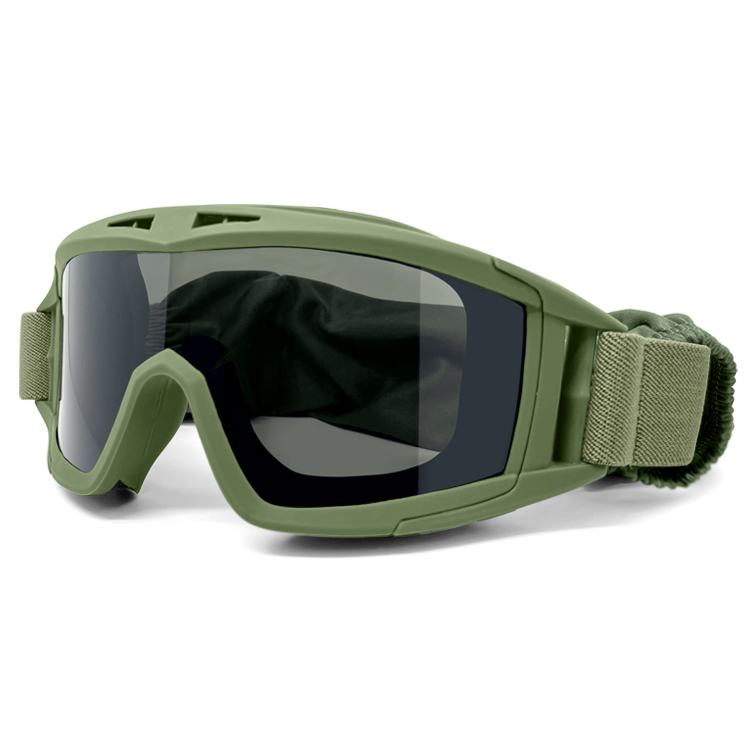
Why this problem hits hard
Too many folks buy shades that look tough, then watch ’em fail when things get real on the slopes or the river. The issue ain’t style—it’s physics: lenses that can’t handle shear stress or won’t dissipate impact energy properly put eyes at risk. If you’re shopping, start with legit sport sunglasses that list materials and standards up front, not just hype from glossy pics.
How shear stress and energy dissipation actually work
Shear stress is what happens inside the lens when a force slides along a plane—think a twig smacking a goggle at speed. Energy dissipation is the lens turning that kinetic energy into harmless heat or deformation so the frame and face take less of the hit. Polycarbonate lenses flex and spread impact better than brittle glass, trading a little optical purity for way more impact resistance. That’s the trade pro riders and anglers choose when they need both protection and clarity.
From slope to boat: matching lens tech to conditions
Different scenes demand different setups. On snow, you want lens curvature and anti-fog coatings that keep peripheral vision clean and manage bright, diffuse light. On water, polarized filters cut surface glare so you see structure below the sheen—super useful for spotting bass or trout. Choose polarized fishing sunglasses when you need that underwater advantage; they’re not optional if you’re serious about sight-fishing. Also watch for UV protection ratings—full UVA/UVB blocking is non-negotiable for long days outside.
What the standards and tests actually tell you
Don’t trust vague claims—look for ANSI Z87.1 or equivalent impact marks. Those standards are real-world anchors: they show a lens survived defined ballistic tests. Pro tip: a lens that passes high-impact ratings will often call out thickness, material (polycarbonate vs. Trivex), and whether it’s treated for scratch resistance. These specs tell you how the lens will manage shear forces and spread energy across the frame instead of through your eyeball.
Common mistakes anglers and riders make—and quick fixes
People skip fit and buy on looks. Bad fit ruins protection: gaps let projectiles or glare in, and pressure points create weak spots. Another slip-up is ignoring lens curvature—flat lenses can bounce light weird, while the right wrap reduces halo and increases side protection. Buy frames with a seal that follows your brow and cheekbone. —Also, swapping lenses without checking how they snap into the frame can compromise impact behavior; use OEM or compatible replacements only.
Comparing lens materials without the fluff
Polycarbonate: light, high impact resistance, slight optical compromise. Trivex: similar impact performance, better optics, a touch pricier. Glass: best optics but poor impact energy dissipation—avoid for active use. Coatings matter: anti-scratch, hydrophobic, and anti-fog all change how the lens copes with abrasion and moisture, which affects long-term safety and visibility.
Three golden rules for picking the right lens
Rule 1: Prioritize impact performance and certified standards over brand buzz—look for ANSI or CE marks. Rule 2: Match lens tech to your environment—polarized for water, high-contrast tints for flat light on snow, and wrap frames for peripheral protection. Rule 3: Verify material and fit—polycarbonate or Trivex with a glove-like frame seal beats pretty glass any day. Those three metrics cover shear stress handling, energy dissipation, and real-world comfort.
Final take and how trusted makers help
Choosing shades that actually protect takes reading specs, knowing how materials behave under shear stress, and matching tech to your day—no nonsense. Trusted manufacturers build that engineering into every pair, so when you need clarity and safety at speed, you don’t get left hanging. YIJIA Optical stands in that space—designs that respect the physics and the people who push them. – real talk: invest smart, ride and fish longer, and keep your vision sharp.