
Introduction — a familiar shop-floor moment
I was on the factory floor last month, watching a team tiptoe around a balky drive while a supervisor muttered about schedules and spilled coffee. The scenario’s common: a single electric motor hiccups and suddenly the whole shift feels fragile. In many sites, electric motor downtime eats into productivity — studies show unplanned stops can cost manufacturers up to 20% of their available production time (true story, and yes, I checked the numbers). So how do we make improvements without bulldozing the workflow? I want to walk through smart, low-fuss upgrades that respect the timetable and the people on the line. We’ll touch on practical bits like power converters and torque ripple, and look at options that let you keep running while you improve — funny how that works, right? By the end of this piece you’ll have a straightforward map: what to consider, what to avoid, and how small changes add up to big gains. Onwards to the deeper bit — where the real trouble usually hides.

Why common fixes for a brushless motor often miss the mark (technical take)
When teams swap parts or slap on a different controller, they often treat symptoms, not the cause. I see it a lot: someone replaces a bearing or ups the inverter rating, and the unit seems better — for a week. The core issues tend to be in control strategy or in mismatched components. For example, field-oriented control tuned for a different load can create unexpected torque ripple under your real duty cycle. Sensorless control strategies might save a few cents, but they can introduce startup instability if the motor sees low-speed, high-torque demands. Look, it’s simpler than you think — the fix isn’t always bigger hardware; it’s better matching between motor, drive, and the job.
What’s the usual blind spot?
Mostly, teams underestimate the role of the control loop and the power stage. Power converters, motor inductance and feedback filters interact in ways that standard bench tests don’t reveal. I’ve had projects where a software tweak to the current loop delivered better results than a new motor. That’s not to say new hardware never helps — it does — but the point is this: if you ignore control tuning and system-level signals, you’ll swap parts endlessly. Also — and this matters — operator experience and the maintenance rhythm get overlooked. You can have top-tier components but if service staff aren’t set up to support them, the gains evaporate.
Where we go next: principles for upgrading and why a pmsm motor deserves a look
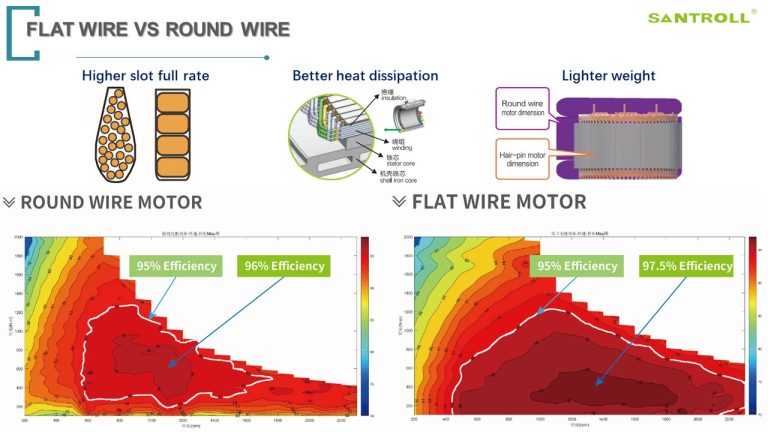
Moving forward, I focus on principles that let you upgrade with eyes open. First principle: test under real load. Bench tests lie; real torque profiles don’t. Second: pay attention to the control architecture — field-oriented control, sampling rates, current-loop gains — these shape behaviour at low speeds and during transients. Third: plan staged rollouts so you can gather data without risking a full shutdown (edge computing nodes and onsite logging help here). I favour pmsm motor options when you need high torque density and predictable performance, but you must match the drive and control logic. The trick is to iterate: small change, measure, adapt — then scale. — unexpected wins pop up when you look closely.
Real-world outlook
In a recent retrofit we did, swapping to a better-specified pmsm motor and adjusting the inverter’s current loop cut downtime by 30% over three months. It wasn’t dramatic overnight; it was gradual, and staff bought in because they saw steady wins. That’s the advantage of staged work: you get measured results and better operator confidence. I’m convinced that combining modest hardware upgrades with tuned control and better telemetry is the most cost-effective path for most sites.
Three practical metrics to choose upgrades — and a quick sign-off
Here are three evaluation metrics I use when advising teams: 1) Mean Time Between Failures (MTBF) under your actual duty cycle — not the datasheet. 2) Response of torque and speed during worst-case transients (look for torque ripple and settling time). 3) Total cost of ownership including training and tooling (don’t forget maintenance hours). These give you a way to compare options objectively. If you ask me, start with a small pilot, monitor closely, then scale. You’ll save money and avoid that desperate “we need it now” jolt. I hope this helps — I’ve been in the weeds with these systems for years and still learn something new every time. For solid components and support, check out Santroll.