
Introduction: The Real Show Starts Before the First Beam
Big shows don’t fail because of big mistakes. They fail because of small things that stack up under pressure. Every outdoor laser projector manufacturer claims bright output and weather-ready hardware, sure. But on a cold night at a county festival, or a humid riverfront concert, those claims meet real wind, mist, and noise. Recent install audits show that half of late cues tie back to control hiccups or power spikes, not the laser itself. That’s a quiet stat, but it matters. And it leads to one clear question: are we comparing the right things when we choose a partner—or just chasing lumens?
Here in the Midwest, we like things steady and fair. We look at the ground, then the sky, and plan for both (no fuss, just facts). So let’s set up a fair comparison. Not hype versus hype, but field behavior versus field behavior. Think durability, beam control, and service. Think about what happens at hour six in a light drizzle. The goal is simple: a clear way to tell who can deliver when the deck gets slick and the timeline shrinks. Let’s walk through the checks that separate a great show from a near miss—and why those checks aren’t always on the brochure.
Hidden Pain Points the Specs Don’t Show
Why do bright specs fail?
Look, it’s simpler than you think. Many rigs look strong on paper. Then the real world steps in. With outdoor laser light projectors, brightness is only one part. Beam divergence, IP65 sealing, and thermal headroom decide what you actually see through haze or fog. A projector can list 40 W and still fade if heat throttles the diodes or if power converters sag under long runs. DMX512 timing, when mixed with long cable paths, can nudge cues off by a beat—funny how that works, right? And when wind shakes the truss, unbraced brackets shift, so alignment drifts, so your map is off. That’s the pain you feel but don’t find in a chart.
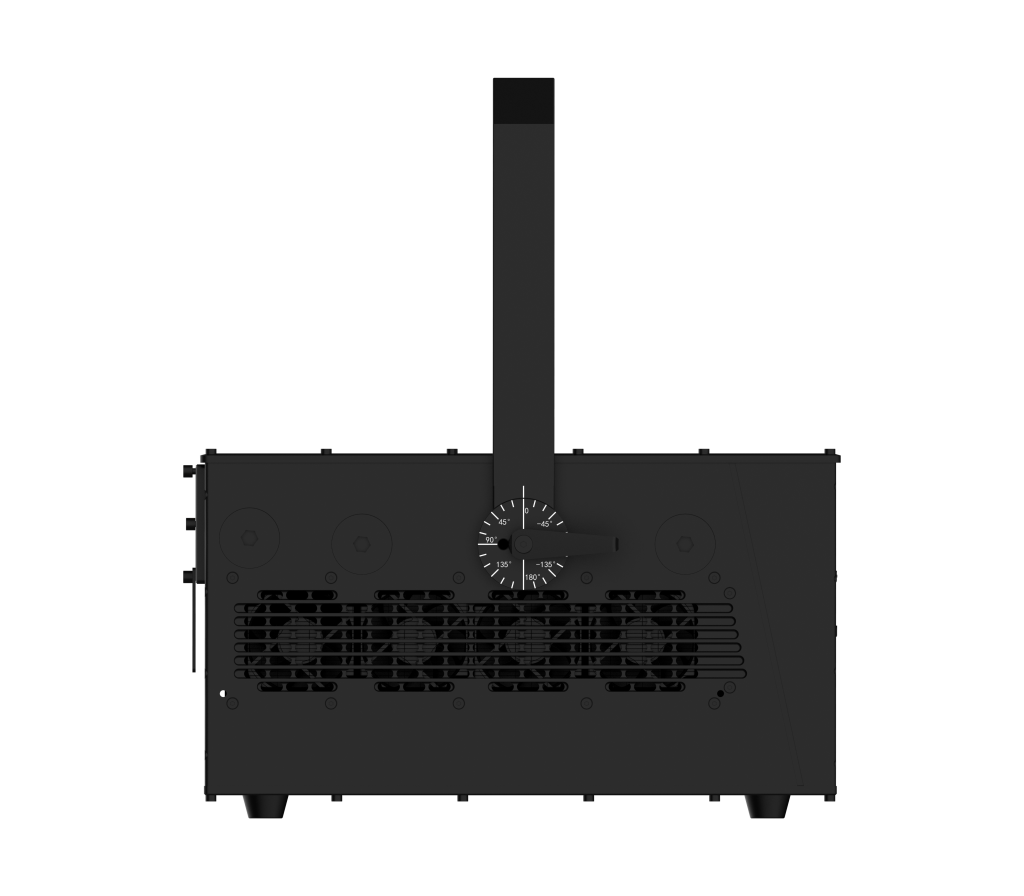
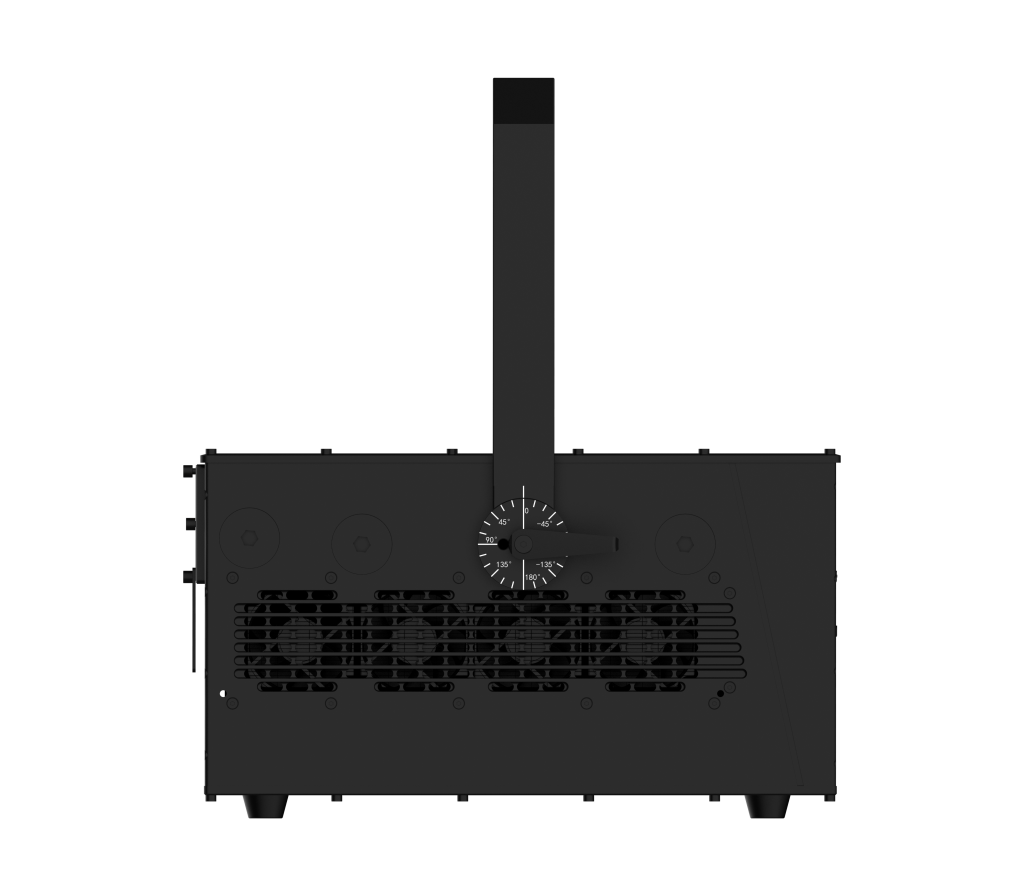
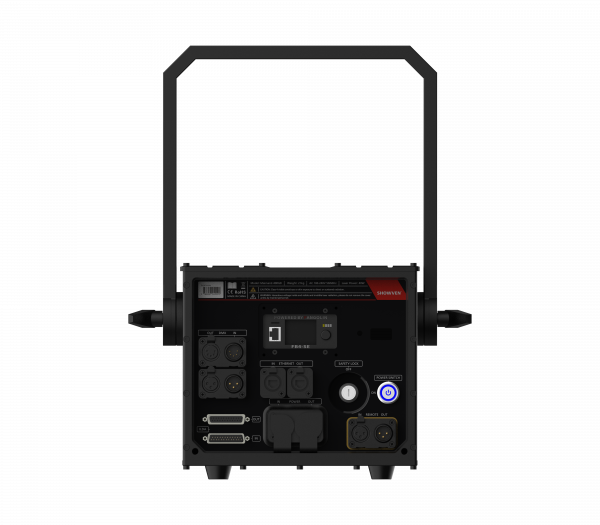
There’s more. Field crews fight water ingress at gaskets, not just the main seals. Cheap fans pull dust into optics, so the show gets speckled after week three. Galvo mirrors need stable mounts; a tiny wobble becomes a wide error at 200 feet. Service loops that look neat in daylight can pinch when the head tilts. And if your control path mixes Art-Net through low-grade switches, you get jitter. The fix isn’t magic. It’s smart thermal paths, quieter bearings, and good grounding. It’s a chassis that drains and a lid you can open with gloves on. Those things save shows. They also save time you can’t buy back.
What’s Next: Principles That Change the Comparison
Real-world impact
Now, let’s look forward—and compare on the right axis. New platforms use encoder-backed galvanometer scanners to hold shape at range, even when wind nudges the beam. TEC cooling keeps diodes in a tight band, so color stays true when the night swings from hot to cool. Smart controllers buffer cues locally, acting like tiny edge computing nodes, so a network glitch doesn’t drop a chase. When selecting an outdoor laser, ask how the system manages thermal spikes, not just how bright it is at minute one. Ask how the firmware handles brownouts. Ask whether the housing drains away from connectors. These are design principles, not extras—and they show up in your timeline more than you think.
Here’s the comparative bottom line. Old-style rigs bet on brute power; newer ones bet on stable power paths, sealed optics, and predictable control. That shift cuts beam wander, reduces service calls, and shortens setup. It also trims risk when the weather flips. You get tighter aerials, cleaner graphics, and fewer “wait a sec” moments—go figure. To wrap, use three metrics to judge the next system you bring on site: 1) control integrity under packet loss (DMX512 or sACN fallback behavior), 2) environmental resilience over six hours (thermal drift and IP65 under mist), and 3) optical stability at distance (beam divergence plus scanner accuracy). Measure those, compare apples to apples, and you’ll see who’s real about the work. For a grounded baseline and more technical detail, see Showven Laser.