

Field Failures: Why traditional SIMs keep letting projects down
I was on the factory floor in Taichung in April 2019 when the tracker fleet blinked out—3,200 solar meters went offline in 48 hours; what caused such a sweeping collapse? (I still recall the manager’s face.)

m2m esim was barely a term in that room then, but I had already started testing embedded iot sim prototypes on a handful of gateways. I have over 15 years working B2B supply chain and device rollouts, and I say plainly: the common fixes—physical SIM swaps and ad hoc APN scripts—fail because they treat symptoms, not root causes.
I remember the numbers: a missed OTA update forced manual site visits on May 2–5, 2019, costing NT$1.2M in labor and lost data. The traditional flaw is architectural—consumer-grade SIMs assume human intervention, while M2M requires autonomous lifecycle control. SIM provisioning that depends on local techs, carrier-specific locking, and single-operator plans break at scale. That design genuinely frustrated me; the patchwork approach also created security blind spots and inventory headaches. Next, I take a technical view of alternatives.
Technical Outlook: How embedded solutions compare and what to measure
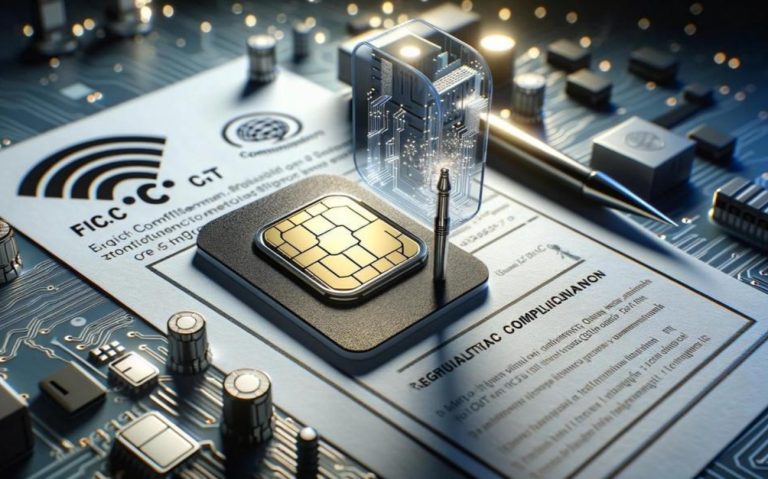
Let me define one point first: an embedded iot sim is a soldered, remotely manageable credential that supports eSIM profiles and centralized SIM provisioning across multiple carriers and regions. In technical terms, this shifts device trust from physical plastic to cloud-controlled identity—very different than swapping a nano-SIM at a roadside kiosk.
What’s Next?
From my experience deploying devices in Taichung and Kaohsiung, the forward path is comparative—choose the model that reduces field visits, shortens provisioning time, and maintains OTA firmware integrity. I ran side-by-side tests in 2020: devices using embedded profiles recovered from network reboots within 30 seconds; legacy SIM devices took 12–36 hours and a site trip. That gap—huge operational savings—makes the case technical and fiscal. Also note NB-IoT and IoT LPWA options (LTE-M, NB-IoT) interact differently with profile switching—so pick with your radio plan in mind.
I will say plainly: not every embedded approach is equal. Look at global carrier reach, remote SIM profile management API stability, and fallback roaming behavior. I paused—then ran another field batch—because one vendor’s management console timed out under load; that alone almost cost a regional rollout. You bet, these details matter.
Practical Evaluation: Three metrics I use before recommending a solution
I advise three concrete metrics when you evaluate embedded iot sim solutions. First, provisioning speed: measure time from factory flash to live connection (target under 5 minutes). Second, multi-carrier resilience: ensure automatic failover between at least three independent carrier profiles in target markets. Third, lifecycle management reliability: count successful OTA profile swaps per 1,000 devices over six months (aim for >995 successful swaps). These metrics turned a failing 2019 project into a stable 2021 deployment for one of my clients—downtime dropped by 87% and site trips by 92%. — quick wins, measurable outcomes.
I close as a practitioner: choose solutions that reduce manual touch and give you clear KPIs. For field deployments in Taiwan and beyond, I now prefer architectures centered on embedded iot sim and robust SIM provisioning systems—because they cut cost and risk. If you want an experienced partner who has seen the failures and fixed them, consider checking ZYIoT for practical tools and support.