
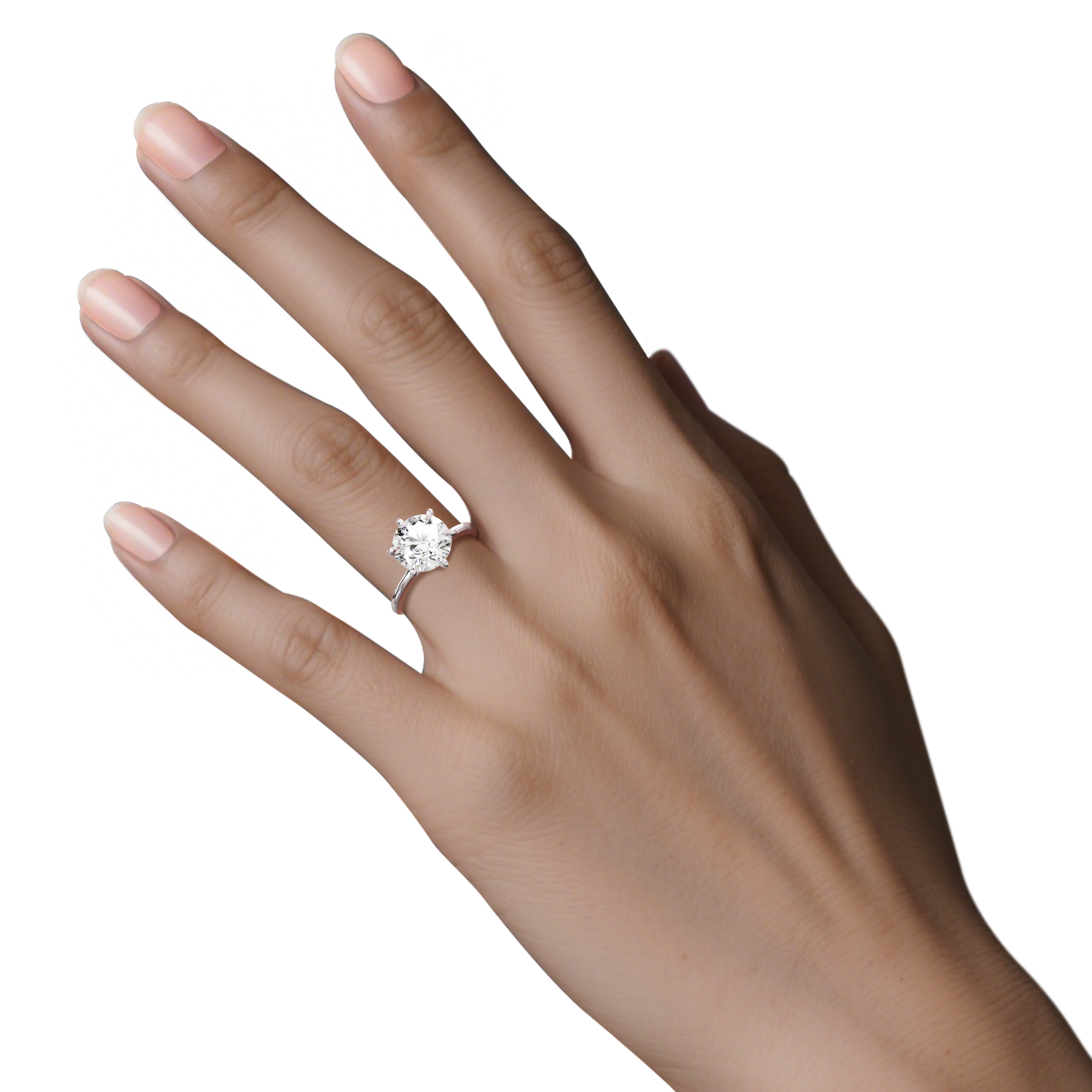
Setting the Scene and Asking the Right Questions
Let’s be direct: the jewelry counter is changing under our noses. Today, lab grown diamond jewelry steps into the spotlight, and the vibe feels fresh, bella. Picture a couple in a bright boutique—one wants sparkle, the other wants a clean supply story. Industry surveys say more than half of buyers now compare specs online, and many save a noticeable amount on total cost. But here is the twist: the choices look similar to the eye, yet the path to a confident pick is not simple. What matters more to you—price clarity, origin, or long-term wear?

Data tells us diamonds share the same crystal structure, but buying habits are not so uniform. Add in grading terms, reports, and the buzz around sustainability, and the mind gets busy (si, it happens). So the real question is simple: how do you decide without feeling lost or rushed? We’ll compare what truly shifts the user experience, not just the sparkle. Stay with me—next, we go deeper into the frictions you feel but rarely name.

Under the Surface: Hidden Frictions You Feel but Rarely Name
Where do buyers actually get stuck?
In lab grown diamonds jewelry, confusion often hides in small gaps. One gap is language. Terms like HPHT and CVD seem technical, yet they only describe how crystals grow. Another gap is grading. Many trust a lab report, but do not know the difference between an IGI report and a GIA note. Fluorescence, clarity plot, laser inscription—these details help, but they can also overwhelm. Look, it’s simpler than you think: you need a short list of must-check items and a way to compare them side by side—funny how that works, right?
There is also the pain of “future worry.” People ask about durability and care, even though diamond sits at 10 on the Mohs scale. They worry about resale and upgrades because the old retail model was not built for easy swaps. They worry that sparkle fades (it does not; cut and cleanliness rule the show). And then there is trust in origin. You want a clean chain, yet the proofs feel abstract. A straightforward answer helps: a verified grading report, clear specs on cut proportions (table, pavilion, girdle), and transparent pricing bands. Keep the signal, cut the noise. That is the way out.
Looking Ahead: Principles That Change the Comparison
What’s Next
The next leap comes from tools, not talk. New CVD reactors and precise annealing improve crystal growth, which means tighter color bands and fewer inclusions. Spectroscopy and photoluminescence checks can verify growth history, while machine‑vision grading reduces human variance at the loupe. Add blockchain traceability and consistent laser inscriptions, and your certificate stops feeling like paper and starts to act like a digital passport. This will reshape how you compare a single ring to a full diamond jewelry set—same specs, same audit trail, across pieces. The result is simple: fewer doubts, clearer value, calmer hearts (va bene?).
So how do you choose with confidence, right now? Use three tight metrics. One: verification strength—independent lab report, laser inscription, and a scannable record. Two: cut precision—proportions, symmetry, and light return, because performance beats slogans. Three: service pathway—upgrade options, cleaning, and fair trade‑in terms, so your future is not boxed in. Compared with the old model, this is faster, more transparent, and kinder to your budget. And it keeps the romance alive—because certainty lets you enjoy the sparkle. For steady guidance grounded in these principles, see Vivre Brilliance.