
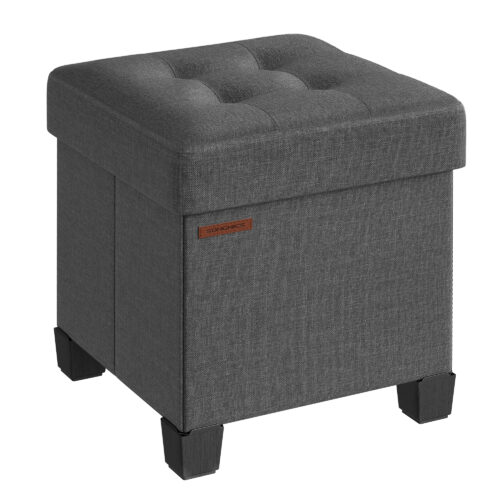
Introduction: When the shipment’s late and the floor is empty
Deadlines don’t care about cushions. You chose an ottoman manufacturer you trusted, and the ship date still slid right past the weekend. You went big on ottoman wholesale to stock the season, yet the cartons came with scuffs and a few wobbly feet. The story is common: a 30-day lead time becomes 45, the MOQ nudges up without warning, and your sales team stares at empty space on the floor (been there). Now the question: why does this keep happening, and what can you compare—fast—to prevent it next time?
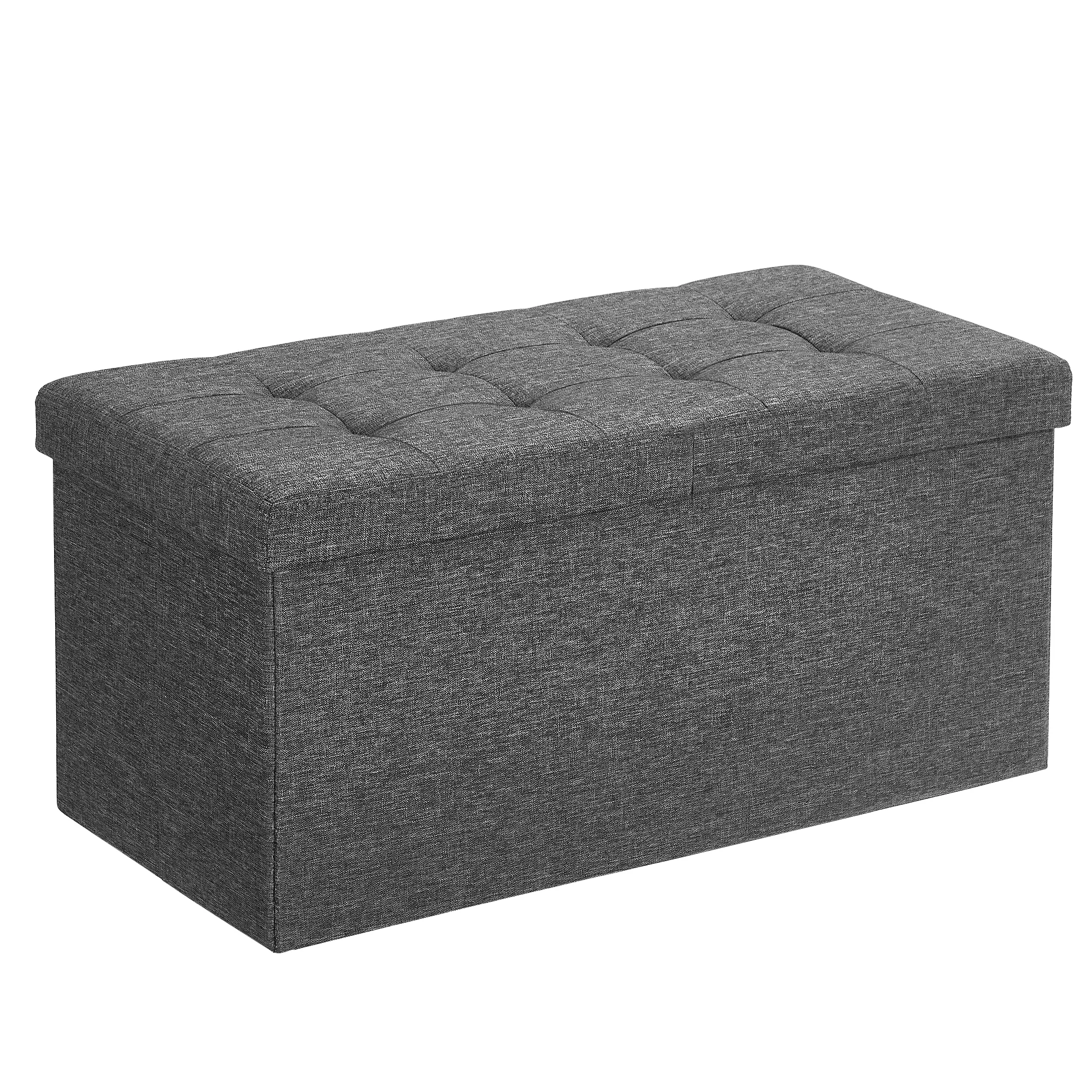
Here’s the short of it. Most misses hide in the gaps you don’t see: packaging specs not pinned down, hardware swaps in the bill of materials, and vague QC handoffs. Small stuff, big cost. You need a way to stack suppliers side by side and test them on the same field. No drama—just a clean, apples-to-apples view that holds up when trucks roll and returns hit. Let’s break this down and move from guesswork to clear choices.
The Hidden Costs in Ottoman Wholesale: Lessons After Part 1
Quick check: where do things go wrong?
Look, it’s simpler than you think. Traditional fixes chase symptoms. Add more inspections, pad the timeline, accept bigger MOQs, pray. But the root issues sit upstream. Materials drift because the bill of materials isn’t locked with revision control. Frames bend because kiln-dried hardwood specs get “interpreted” on busy days. Color shifts because fabric lots aren’t tied to an abrasion rating and lightfastness check. Then packaging cracks, since carton burst strength and corner crush aren’t on the signed spec. Each gap looks tiny. Stack them, and you eat margin.
Hidden pain shows up in your returns pile and in slow turns. The seat feels soft on week three because foam density moved from 35D to 28D without a note. Lead time creeps because one hinge vendor went short, and no second source was approved. Your QC audit finds wobbles, but not before the load test and drop test windows slip. Freight climbs when repacks happen in DCs. This is the quiet tax of scale, and it hits hardest in busy seasons. To compare suppliers well, you need to see these points in daylight—and tie each to a pass/fail line you can defend.
What’s Next: Tech Principles and Smarter Comparisons
Real-world Impact
Comparative buying gets sharper when you bring simple tech into the mix. Start with traceability. Tag key parts and fabrics with QR or RFID so a scan links to lot, vendor, and revision—no debate on “what changed.” Use a shared dashboard for pre-shipment checks: foam density, frame moisture content, carton crush data, and torque values on hardware. Add photo gates with time stamps. Now, when you ask two factories for the same SKU, you get proof against the same yardstick. If you work with an ottoman chair supplier in the china that plugs into this system, you turn “trust me” into “show me.” And that’s the point.
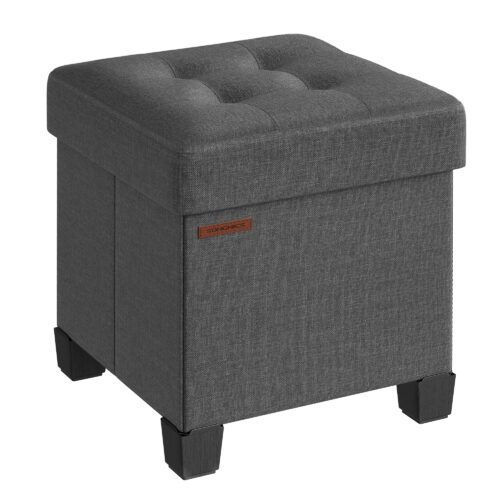
Next, stitch in design-for-manufacture basics. Fewer SKUs mean faster swaps; shared components mean fewer delays; CNC cutting reduces variance on patterns. Water-based adhesives cut VOC issues; ISO 9001 routines prevent last-minute swaps—funny how that works, right? When you compare two factories, grade them on proof, not promises. Summarize the play: we learned that problems hide in specs, handoffs, and packaging. We saw that locking BOMs, testing materials, and time-stamping QC closes the leaks. Advisory close, so you can act today: three metrics to pick winners. 1) Process reliability: first-pass yield, on-time rate, and defect ppm. 2) Spec adherence: documented BOM revisions, foam density logs, and carton test reports. 3) Flex capacity: dual-sourced hardware, surge plan lead time, and approved alternates. Keep it simple. Keep it visible. And keep score the same way, every time—with vendors and with your team at SONGMICS HOME B2B.