
Comparative lead — why MSI matters now
Mexico’s retail credit habits have long leaned on MSI (meses sin intereses) offers tied to tarjeta de credito, and now digital players tilt the balance. Comparing app-based lending and traditional bank instalments reveals faster approvals, different underwriting signals, and varied APRs. Early movers like DiDi have stepped beyond ride-hailing into financial services, and you can explore some of that here: didi prestamos. The contrast matters for consumers choosing between loyalty rewards from legacy banks and the agility of a fintech partner.
Market context and a real-world anchor
Since Mexico passed the Fintech Law in 2018, urban fintech adoption accelerated, especially in Mexico City where smartphone use and digital wallet uptake are pronounced. That regulatory anchor matters: it lowered barriers for non-bank lenders to offer installment plans and personal credit products under clearer rules. The result is practical—more payment alternatives for shoppers and new credit signals feeding into underwriting models, including mobile transaction history and merchant data.
What DiDi Finanzas brings versus banks
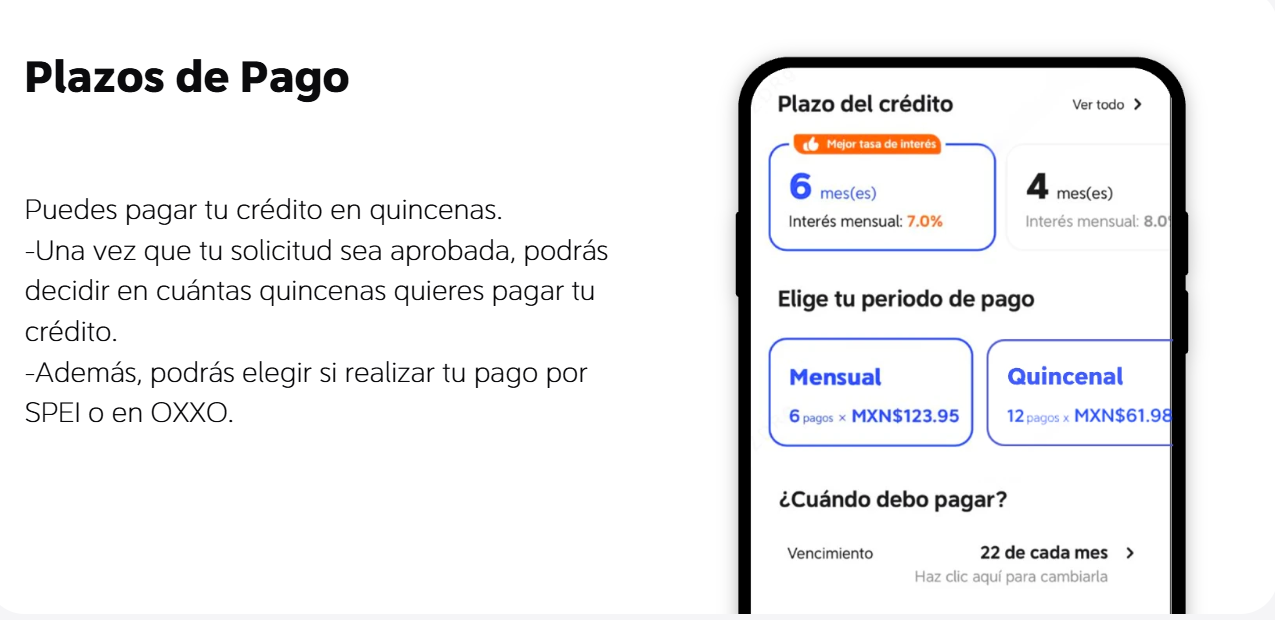
DiDi Finanzas approaches MSI differently. Instead of relying primarily on traditional credit score models, many fintechs weight transaction flows, app behavior, and merchant partnerships to shape offers. That often shortens approval times and permits flexible installment options tied to ride and delivery spend. For shoppers used to three-, six- or twelve-month MSI, this means comparable installment plans but delivered with app convenience and real-time adjustments — ja, a practical shift rather than a gimmick.
Practical benefits and where to be cautious
Benefits are concrete: faster onboarding, transparent schedules, and sometimes lower implicit fees when offers are well-structured. Yet caveats persist — watch APR equivalence, late-fee structures, and how a new lender records activity on your credit file. Many consumers expect quick service and get it; some forget that installment offers still interact with credit history. Use options like pre-approval checks and test small purchases first. Also consider reputable alternatives — established banks’ MSI promotions, card issuers with robust rewards, and other fintech lenders — and compare total cost, not just monthly amount. — A small test purchase often reveals the clearest operational differences.
User experience: onboarding, transparency, and support
Onboarding speed is a clear differentiator. Where a bank might take days for underwriting, a digital lender can respond within minutes using alternative data. Transparency about fees and instalment breakdowns is essential; check whether the platform displays APR, total cost, and payment schedule up front. Customer support channels matter too — chat in-app beats long hold times. For borrowers seeking quick access to credit, consider platforms offering clear repayment calendars and alerts, and weigh how each loan affects your overall credit profile.
Common mistakes and better habits
Consumers often accept MSI at face value without checking cumulative cost or contractual fine print. They mix multiple instalment products and lose track of due dates. Better habits: consolidate similar schedules where possible, enable automatic payments, and review how each instalment line appears on your statement. For people using online lenders, confirm whether the product is listed as a loan or a payment plan — regulatory treatment and reporting can differ. Also, when exploring prestamos en linea rapidos, prioritize platforms that show all fees clearly before you commit.
Advisory — three golden rules for choosing the right MSI solution
1) Total-cost focus: Compare the real APR or effective cost across offers, not just the monthly figure. That reveals the true burden on your budget. 2) Data transparency: Choose providers that disclose underwriting drivers and credit-reporting behaviors; this avoids surprises on your credit file. 3) Operational reliability: Pick services with clear repayment schedules, reliable notifications, and reachable support — these reduce late payments and hidden fees.
DiDi Finanzas now sits where convenience meets regulated lending, offering an option that often simplifies MSI usage while respecting consumer protections. Trust what you can verify, adopt clear repayment habits, and use those three rules as your decision guide — solid, practical, and directly useful. —