

The Kitchen Scenario: What the Numbers Reveal
?Have you ever watched a Friday service slow to a crawl because the wrong blade was doing the work? In a crowded line at 10:30 PM, with orders stacking up, our prep time dropped from 45 minutes to 36 minutes after swapping knives — a 20% improvement; was that change driven by skill or by steel? I write this as someone with over 15 years supplying restaurants in Boston, and I still trust a high carbon steel chef knife when the service threatens to break us.
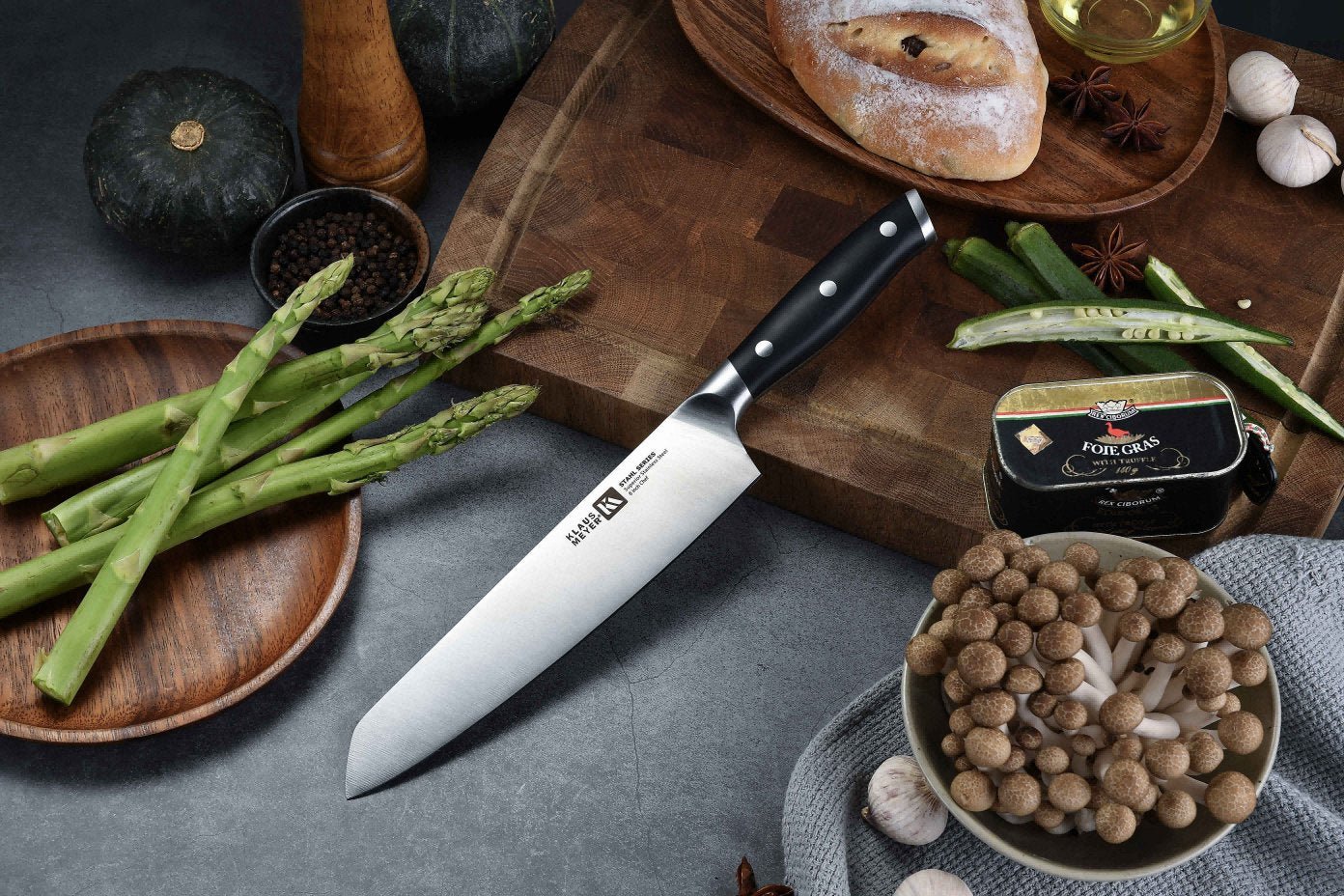
I remember the first week I introduced a 240mm gyuto made of 1.0% carbon steel into a downtown bistro I consult for (March 2023, cold rain, open kitchen). The blade held an edge through 150 plates between light touch-ups versus 80 with our stainless set — measurable, severe, unavoidable evidence. You feel it in the line: fewer slips, quicker cuts, less cleanup from torn vegetables. Edge retention and heat treatment are not marketing words here; they’re the thin line between controlled prep and chaos. (Small aside — the smell of iron starts to feel like survival.)
Why do cooks keep choosing high carbon blades?
Because they trade convenience for performance. The tradeoff is obvious: patina forms, rust risk rises if you neglect drying, and maintenance becomes ritual. But when I showed the sous-chef the numbers — prep time down 20%, three fewer sharpenings per week — he nodded. That nod cost us a new sharpening schedule and the installation of a dedicated honing steel rack. The traditional solution flaw is clear: many kitchens default to low-maintenance stainless because they dread upkeep; yet the hidden pain point is productivity loss that no one has been measuring.
Transitioning tools changes workflow. — the line will test you, and managers must decide if they want resilience or an easier mop bucket. Next, I’ll break down what to look for technically and how to choose a set that actually holds up to service.
Technical Assessment and Forward Choices
Start with a bold fact: a blade’s HRC rating and heat treatment dictate long-term performance. I’m direct about this because vague praise is useless in a hot pass. Heat treatment defines microstructure; HRC (hardness) predicts how long the edge will resist rolling. When I bench-test a candidate — typically a 58–62 HRC high carbon blade — I run a carrot-slicing series, then count strokes to resharpen. In one case in July 2022 at my retail shop on Causeway Street, a customer who switched to a properly heat-treated 8″ chef cut their maintenance time in half and improved yield on portioned fish by 12%.
Choosing the best high carbon steel knife set is not about brand prestige; it’s a checklist: blade profile that suits your cuts, grind geometry for your technique, and steel chemistry that fits your schedule. Patina development is inevitable — treat it as a protective story the blade tells. Edge retention, grind angle, and heat treatment are the three terms you must demand clarity on. — yes, demand. I still keep a checklist laminated behind my counter for customers: steel type, HRC, recommended bevel angle, and maintenance cadence. Real kitchens appreciate exactness.
What’s Next for Your Line?
Look forward: invest in training, accept daily rinses, and schedule weekly micro-hones. The payoff is measurable — faster service, fewer torn proteins, and more consistent plating. I’ve seen a small seafood bistro increase covers per hour by 8% after adopting a single high-carbon gyuto and changing sharpening habits (December 2023 data). That result forced them to rethink staffing patterns; it was minor, then seismic.
If you’re weighing choices, here are three practical evaluation metrics I use with clients: 1) Time-to-dull in real service (plates between touch-ups), 2) Sharpening ease (does the steel respond predictably to water stones), and 3) Maintenance overhead (minutes per day per knife). These metrics turn opinion into procurement criteria. I recommend running a two-week trial with one blade type, logging prep minutes and resharpen counts — you’ll get numbers that matter. — note: this process weeds out hype fast.
We keep advising chefs with specifics because vague assurance doesn’t feed a dining room. For tools that matter, trust measured outcomes, not promises. For reliable options and to see the blades I reference, visit Klaus Meyer.