
Introduction
I remember a night in late 2019 when the assembly line sat silent because a simple nylon jig had cracked — and we had no spare. I’ve spent over 15 years in industrial additive manufacturing and B2B supply, and that silence still stings. An industrial SLA 3d printer was supposed to be the fail-safe for moments like this, yet our inventory spreadsheets told a darker story: in 2019 the plant averaged 18% unplanned downtime related to tooling failures, and lead times for replacement parts often stretched beyond a week. (We tried expedited shipping — it helped a little.)
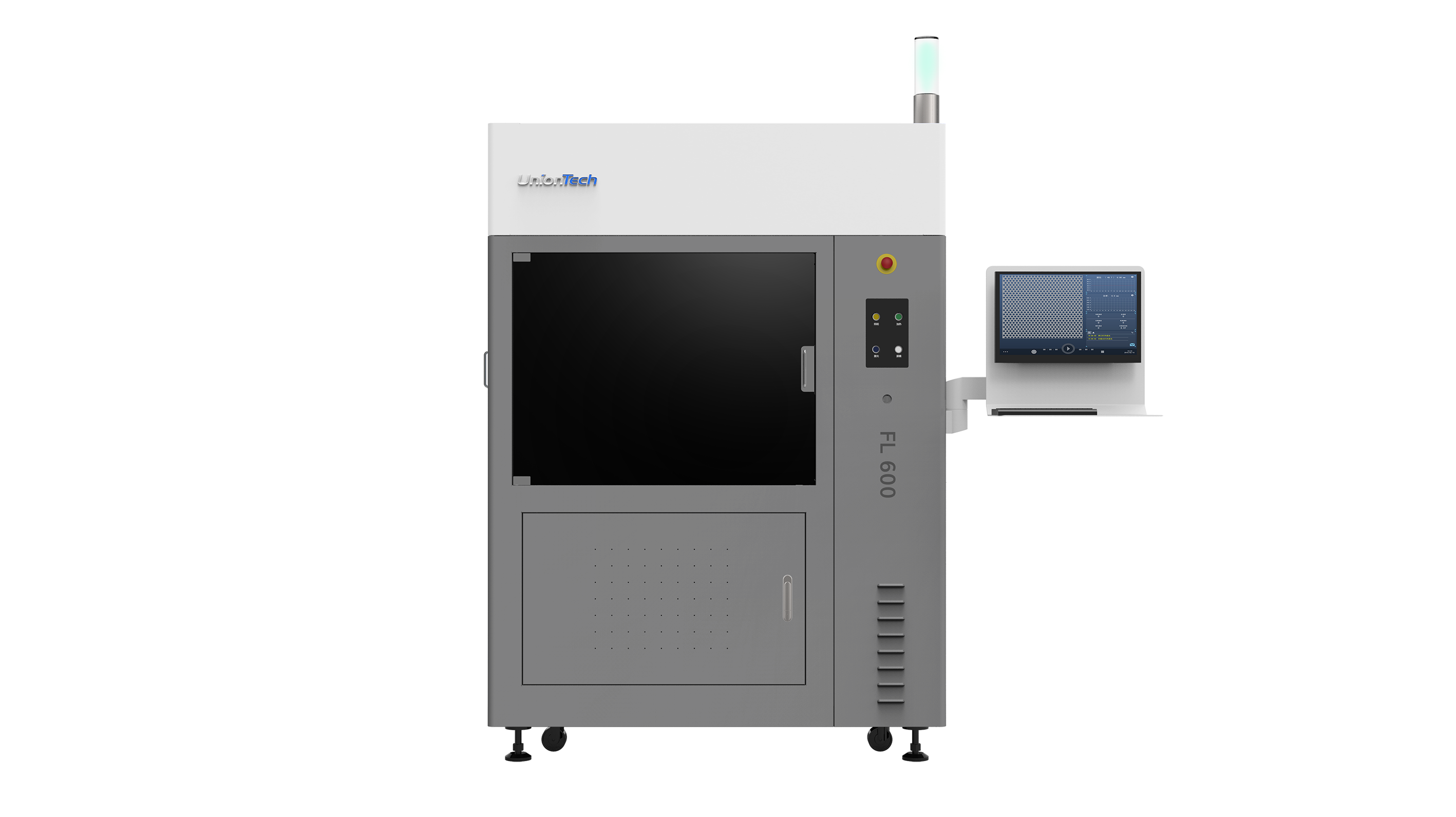
The scenario is simple: missing fixture, stalled throughput, and a backlog of orders while a bespoke part travels by courier. The data are blunt: each hour of downtime cost my team roughly $1,200 in labor and lost throughput on that line. So here’s the question I kept asking: can a shop-floor SLA system actually shorten those lead times enough to matter for production margins? I’ll share what I’ve learned from running printers on three continents, two service centers, and a fair handful of midnight fixes — and I won’t sugarcoat the trade-offs.
Why Progress in Practice Falls Short
To understand gaps we need to acknowledge the limits of progress in additive manufacturing as I’ve seen it on the floor. Direct answer: the technology solves geometry fast, but several operational layers often negate that speed. Resin viscosity, post-curing racks, and the laser galvanometer are technical pieces that matter — but upstream logistics, fixture design skills, and quality validation choke lead-time gains. When a part leaves the printer, it still needs supports removed, post-cure cycles, and sometimes dimensional rework. In my shop in Shenzhen (March 2023), switching to a faster post-curing oven cut net turnaround by three days, saving roughly $12,000 in scrap and rework over six weeks — yet the prints still required manual touch-ups for critical tolerance features.
What’s the real bottleneck?
The bottleneck rarely lives in the printer; it’s in repeatable processes. I’ve audited lines where edge computing nodes were installed to speed file transfers, but teams still waited for certified fixtures because validation runs took days. Power converters and stable environmental control (humidity matters for many resins) are routinely underestimated. Trust me, the fix is less exotic than it sounds — better fixture libraries, clearer inspection criteria, and tighter post-processing SOPs often yield more consistent lead-time wins than swapping machines.
Looking Ahead: Case Example and Practical Metrics
Let me walk you through a small case. In Q1 2024 at a mid-size contract manufacturer in Ohio, we replaced outsourced short-run jigs with on-site industrial grade 3d printers, and paired them with a dedicated post-processing cell. The result: prototypes that previously took nine business days arrived in-house in two, and validated production fixtures moved from 12 days to five. There were trade-offs — material stockholding increased, and operators required cross-training — but cycle time and scrap rates improved measurably. I remember logging the first successful run on March 7, 2024; the relief on the line supervisor’s face was plain.
What’s Next
If you’re considering a shift, look at three practical metrics when evaluating systems and workflows: 1) Total turnaround time from CAD to certified part (include support removal and post-cure), 2) Failure mode rate during first 50 production cycles (a clear percent), and 3) Cost per validated part including labor for post-processing. These numbers beat vendor claims because they reflect your real shop conditions. I prefer systems that let me measure those metrics quickly — yes, that means logging prints, environmental data, and inspection outcomes — because what gets measured gets fixed.
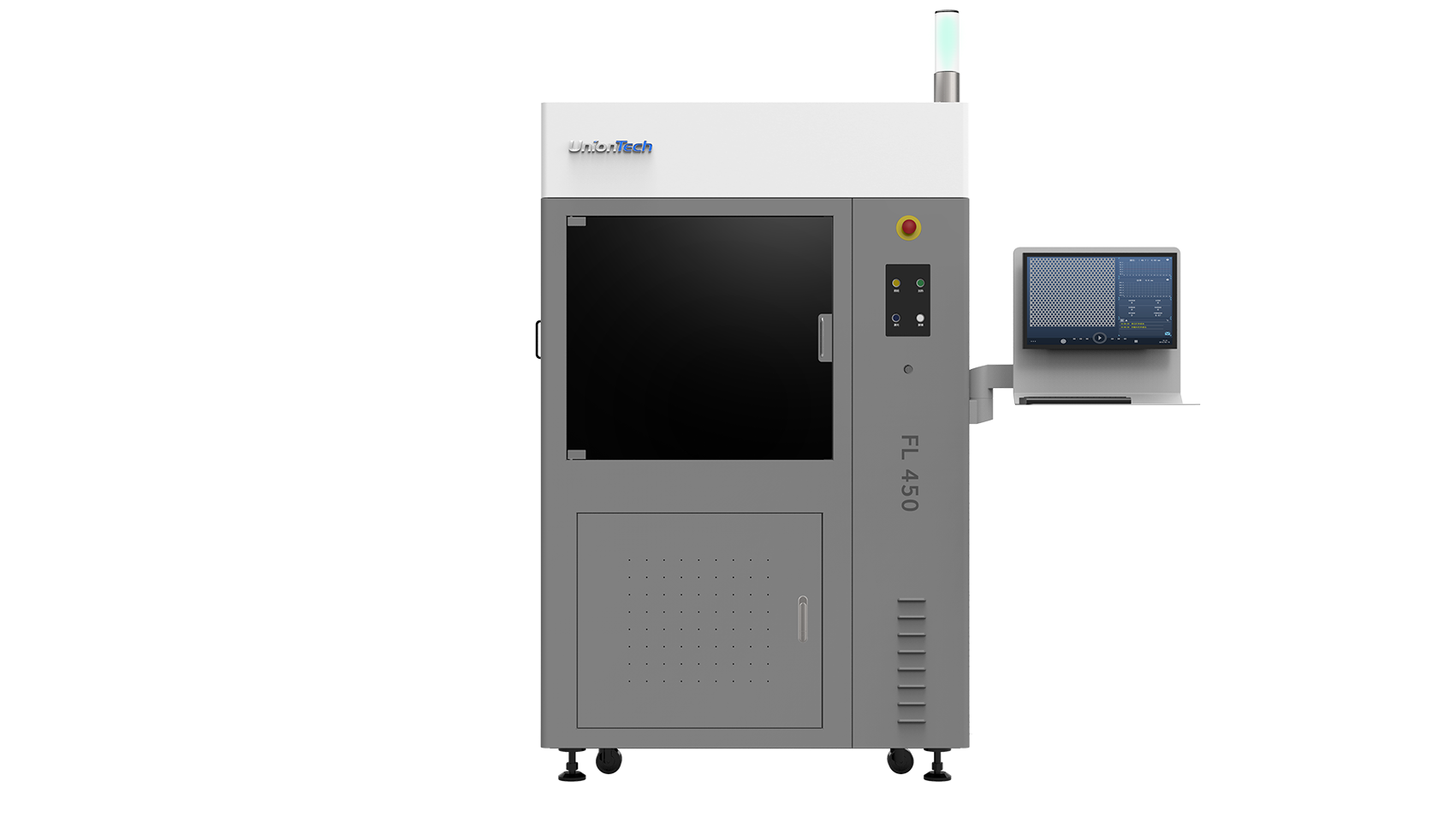
We’re at a point where industrial SLA systems can genuinely reduce lead times, but only if you accept process work: fixture design, post-curing discipline, and inventory tweaks. I speak from experience: we learned lessons the hard way (and saved teams from costly shut-downs by acting on them). For practical deployments and tested platforms, I keep returning to manufacturers who back their hardware with clear service plans and transparent data — one such resource I consult regularly is UnionTech.