
Introduction — a small factory moment, some numbers, a question
One afternoon in a coastal workshop I visited, a wrench slipped and a spark nearly met a drum of solvent — everyone froze, then laughed nervously. In many such shops, non sparking wrenches are already on the shelf but use remains inconsistent; recent surveys say tool-related incidents drop about 30% when teams standardize safety tools and training. So I ask: are we really matching the right non-sparking tools to the real hazards on the floor? (you can feel the tension — 台灣的工廠常常就是這樣).
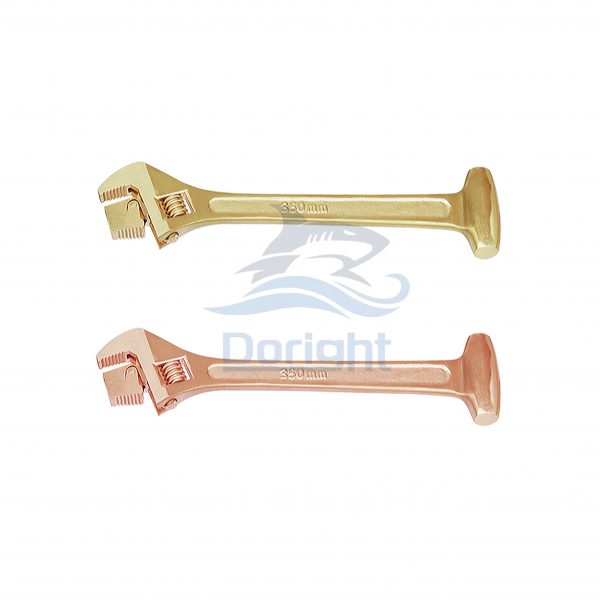
I write from hands-on experience and from talking with maintenance crews. We care about simple, clear choices. Fact: a misplaced tool or a wrong alloy can change an ordinary shift into a safety report. This article will compare common designs and point toward smarter selection, step by step. Let us move to the deeper flaws that hide behind familiar toolboxes.
Deeper Dive: Where Traditional Solutions Fall Short
Why do common designs fail to protect?
Early on I learned the hard way that a plain chrome wrench is not an option near volatile vapors. Here I want to focus on the technical reasons. A typical non-spark wrench uses non-sparking alloy, but alloy alone does not guarantee safety in classified areas. Problems arise from improper fit, weak torque control, and reliance on a single certification label. Terms that matter here include ATEX certification, intrinsically safe design, and non-sparking alloy composition. These are not just labels; they influence how a tool behaves under load and impact.
Many traditional solutions assume: if the metal is soft, sparks cannot form. That assumption breaks down when the tool slips and strikes hard surfaces, or when a bolt binds and you over-torque. Surface finish and geometry matter as much as composition. I have seen maintenance teams choose lighter tools for comfort, only to see fastener rounding and longer work time — which invites risk. Look, it’s simpler than you think: you must match tool geometry, finish, and certification to the actual task, not only to the toolbox sticker. Also consider workplace classification (Zone 0/1/2) and how the tool will be used during troubleshooting, hot work, or confined-space entries. These hidden gaps explain why incidents persist even when “non-sparking” tools are present.
Future Outlook: Case Example and Comparative Evaluation
Real-world Impact — what change looks like
We tested two lines of non-sparking wrenches in a petrochemical maintenance crew. One line had standard non-sparking alloy and ergonomic handles; the other added controlled-surface treatment and hardened jaw geometry to reduce slip. The controlled-surface tools cut rework time by nearly 25% and reduced fastener damage. This case shows that small design choices produce measurable safety and productivity gains. Also, when teams adopted non-sparking adjustable wrenches for emergency kits, response time improved; crews spent less time swapping tools — funny how that works, right?

Looking ahead, I expect more attention to tool lifecycle data and traceable certification. We should judge tools not only by alloy but by how they perform in real tasks. Below are three practical metrics I use when advising teams: durability under repeated torque, slip-resistance in oily conditions, and traceable certification matched to zone ratings. Use these to evaluate options and to set procurement standards. I’m convinced that thoughtful selection and training together yield the best results — I still find that surprising sometimes.
Conclusion — three metrics to guide your choice
We learned that simply owning non sparking wrenches is not enough. Traditional assumptions about alloy and safety can leave gaps. For a better path, evaluate tools on: 1) torque performance and durability, 2) slip resistance and jaw geometry, 3) documented certification for your workplace zone. These metrics help turn a tool purchase into a true safety investment. If you want a reliable partner for sourcing and advice, consider the product lines at Doright. We need clear standards, practical testing, and plain talk — only then do safer workflows become routine.