
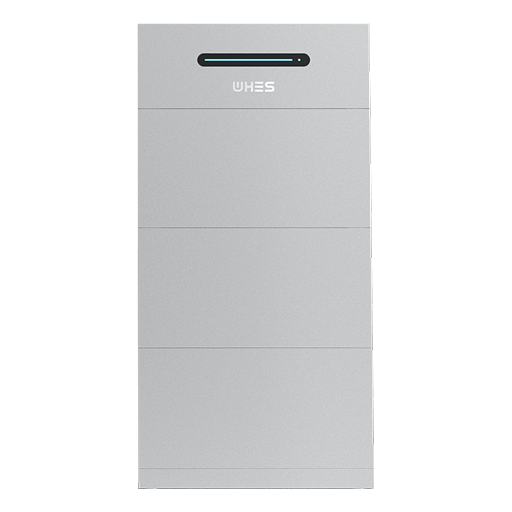
A clear framework to judge EMS impact
It is pertinent to begin with a simple framework when evaluating any energy management system: capabilities, integration, and outcomes. This piece applies that lens to WHES’s Intelligent EMS, with a particular focus on its role in commercial battery storage deployments. By breaking assessment into modular checks—architecture, control logic, and measurable benefits—you gain a repeatable method to compare vendors and predict project performance in real-world conditions.
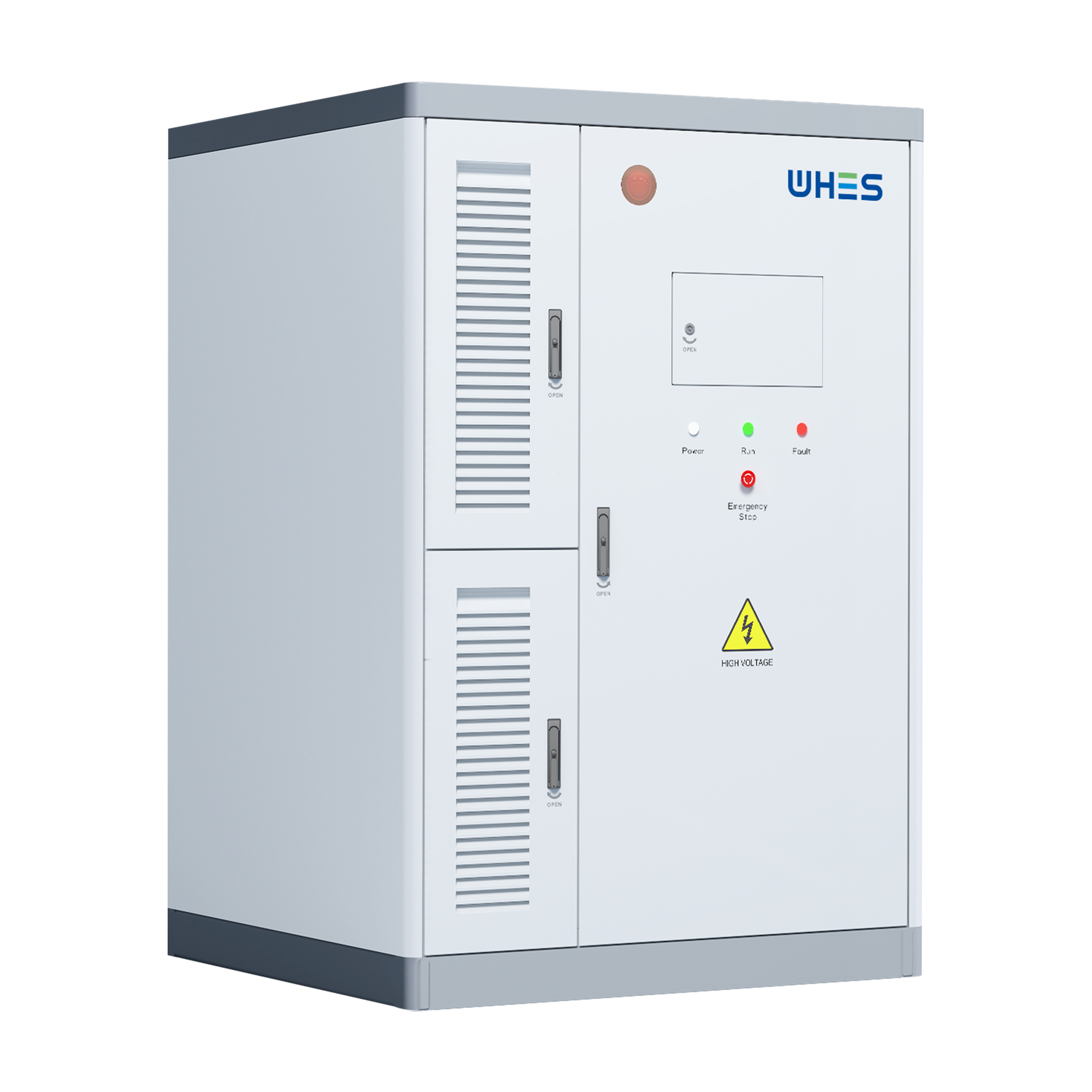
Core modules of WHES’s Intelligent EMS
WHES’s EMS presents itself as a layered architecture: a data ingestion layer, a decision engine, and a dispatch/control interface. The data layer aggregates telemetry from inverters, BESS (battery energy storage systems), and grid telemetry. The decision engine runs optimisation routines—energy arbitrage, peak shaving, and frequency regulation—based on forecasted prices and load. Finally, the dispatch interface executes setpoints to power electronics while tracking SoC (state of charge) and thermal limits. These modules map directly to common industry requirements and make it straightforward to verify claims during factory acceptance testing.
Operational benefits — anchored by a real-world precedent
To judge outcomes, one should compare expected gains against a proven anchor. Consider the Hornsdale Power Reserve in South Australia: early large-scale BESS deployments demonstrated measurable grid services such as fast frequency response and reduced dispatch costs. Similarly, WHES’s EMS aims to capture these same revenue streams—frequency regulation and energy arbitrage—while also reducing outage exposure and smoothing ramp events for distributed assets. Measured metrics like response time, cycle efficiency, and revenue per MWh give stakeholders an objective basis to quantify return on investment.
Integration considerations and common pitfalls
Practical integration is where many projects falter. Be sure the EMS specifies API contracts for SCADA, inverter control protocols (e.g., Modbus, IEC 61850), and explicit interlocks for safety shutdowns. Do not assume plug-and-play — communication latency, firmware mismatches, and differing SoC algorithms cause unexpected behaviour during commissioning. A useful practice is a staged integration test: first validate telemetry, then closed-loop control in a simulation environment, and finally live trials with conservative setpoints. Also, check that the EMS can manage degradation profiles and temperature-related derating — these are frequent omissions and they materially change achievable throughput. —
How WHES compares with alternatives
When compared to generic cloud-based optimisation platforms, WHES emphasises onsite intelligence and deterministic control. That reduces latency for fast ancillary services but requires more robust edge hardware. Conversely, vendor-neutral aggregators can simplify multi-site portfolio aggregation but may sacrifice deep hardware-level optimisation. For asset owners, the choice depends on whether their priority is maximum per-site performance (favoring tighter EMS-hardware integration) or simplified portfolio management across heterogeneous BESS fleets. Also consider lifecycle support: firmware update policies, cybersecurity practices, and spare parts logistics influence long-term uptime.
Cost and procurement realities
Procurement must account for both capital and operational costs. Beyond hardware and licensing, include integration engineering hours, commissioning trials, and ongoing telemetry costs. Tooling and commissioning delays can compress projected payback windows; therefore, insist on clearly defined acceptance tests that measure both functional goals (e.g., ramp rate compliance) and economic outcomes (e.g., realised arbitrage revenue over a pilot period). Finally, confirm how the EMS handles market participation rules if you plan to bid into ancillary markets—market compliance is a non-trivial engineering task.
Advisory: three critical evaluation metrics
1) Response latency (ms to seconds): measure from dispatch command to inverter action; lower latency yields superior frequency response. 2) Round-trip efficiency and cycle wear model: verify how the EMS models battery degradation—this directly affects lifecycle cost per MWh delivered. 3) Revenue capture ratio: compare projected vs. realised market revenues during a defined pilot window to validate optimisation algorithms. Use these metrics as contractual acceptance gates rather than subjective checkpoints.
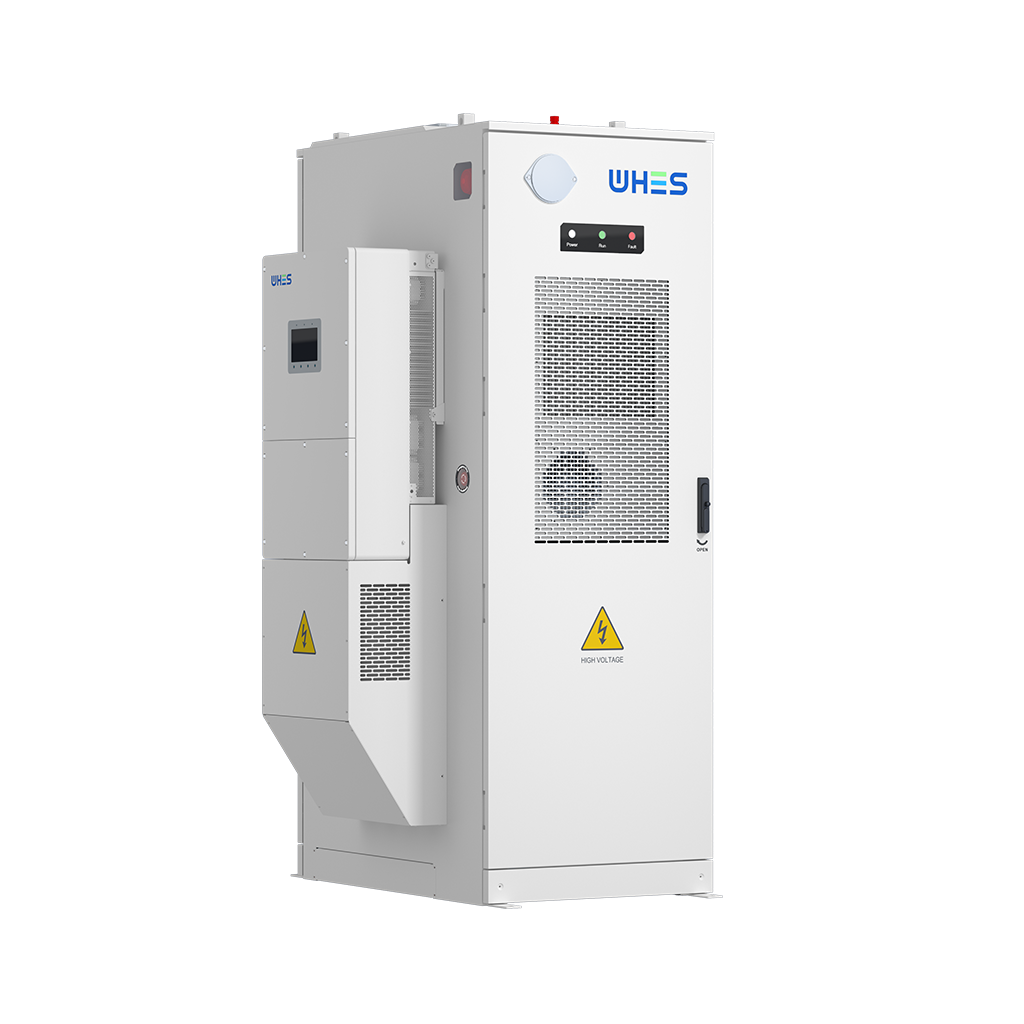
Summing up, the framework above helps you translate vendor claims into verifiable outcomes. WHES’s Intelligent EMS offers a coherent architecture that aligns well with grid services proven by projects such as Hornsdale, and it is especially effective when paired with disciplined integration and rigorous acceptance testing. For teams seeking a solution that blends edge determinism with portfolio-level insight, WHES presents a pragmatic option —