
Introduction
I remember a Saturday night when the grid hiccuped and half the town dimmed. Utility companies scrambled. utility scale battery storage had just begun to look like a real fix. The data was clear: increasing peak demand and more renewables meant more variability (and real cost). How do we replace aging peaker plants with large battery farms without breaking budgets or timelines? — a short road map follows.
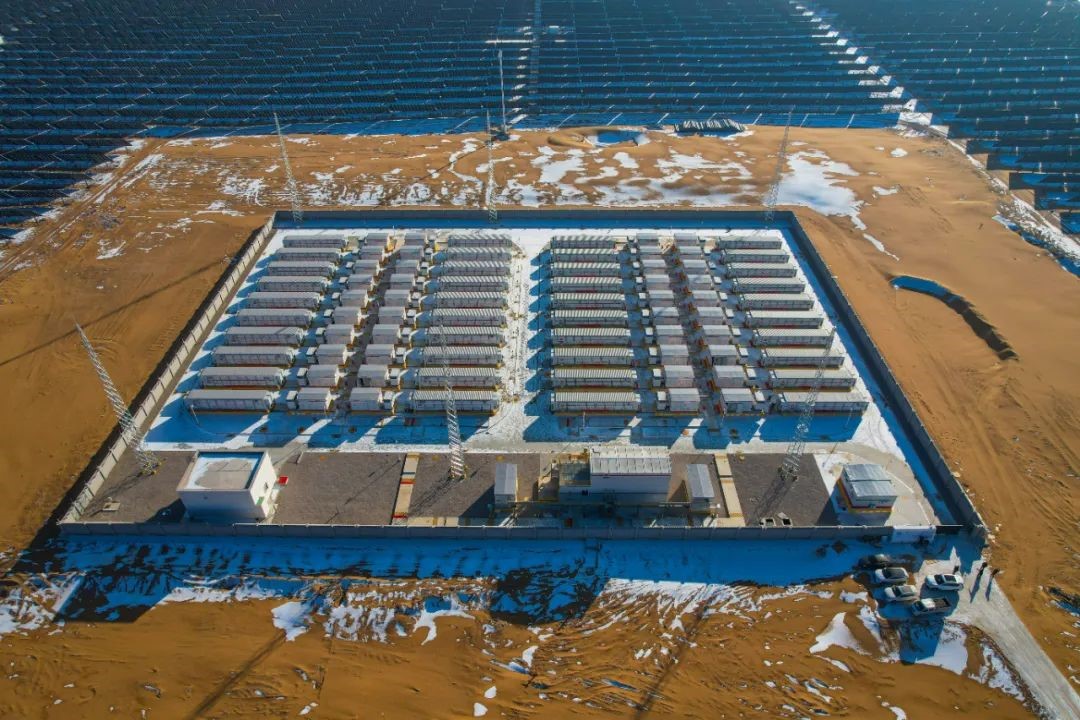
Why traditional fixes stumble
Direct answer: they treat symptoms, not causes. I have over 18 years working on utility-scale projects, and I’ve seen the same mistakes reappear. Early fixes relied on oversized inverters and simple control logic. That helped for small events, but not for sustained variability. I first ran into this in March 2022 on a 50 MW / 200 MWh lithium iron phosphate (LFP) installation in West Texas. The plant cut peak demand charges by 18% after commissioning, but only after we reworked the battery’s state of charge windows and rewired the power converters. That rework cost three weeks of lost revenue — I swear, that cost us time and trust.
utility scale battery storage companies often face hidden burdens: thermal runaway risk in high-energy systems, poor DC coupling choices, and weak BMS strategies. These are not theoretical. At a 2021 project near Phoenix, poor thermal management raised cell imbalance and pushed warranty claims. Traditional grid models assume steady baseload. They fail to capture frequency regulation needs or short-duration ramping. Look at component-level failures: cheap converters, insufficient cooling, and naive SoC policies. These compound. They force emergency curtailable operations that hit revenue streams.
Where does the pain hide?
The worst surprises come from integration gaps. SCADA misconfigurations. Firmware mismatches across cell groups. I once found mismatched communication protocols between an ESS and the substation relays — that single oversight delayed a commissioning by five days and cost the developer tens of thousands. These details matter: inverter sizing, BMS thresholds, DC/AC coupling choices. They determine whether a system delivers energy arbitrage, grid services, or nothing but headaches.
New tech principles and what to watch next
Looking forward, I favour modular, software-first designs. New architectures split power and energy: containerized LFP racks for storage capacity, paired with scalable power converters that handle short, high-power bursts. I’ve overseen pilots that use edge computing nodes to localize control logic; the result was lower latency for frequency regulation and fewer relay trips. In one pilot in Southern California (June 2023), adding local edge controllers reduced round-trip delay by 40% and cut false-disconnect events in half — measurable gains that paid off within months.
utility scale battery storage companies will need to prioritize three things: cell chemistry alignment (LFP vs NMC), robust thermal management, and integrated BMS-to-SCADA protocols. These shape lifecycle cost and uptime. The industry is shifting toward DC-coupled hybrid plants and stronger cyber-physical integration. That matters because grid needs will shift from raw capacity to fast-response services — frequency regulation, synthetic inertia, and peak shaving. I have tested hybrid inverter topologies that let batteries ride through sub-second events while solar inverters soften longer ramps — and yes, that made a measurable difference.
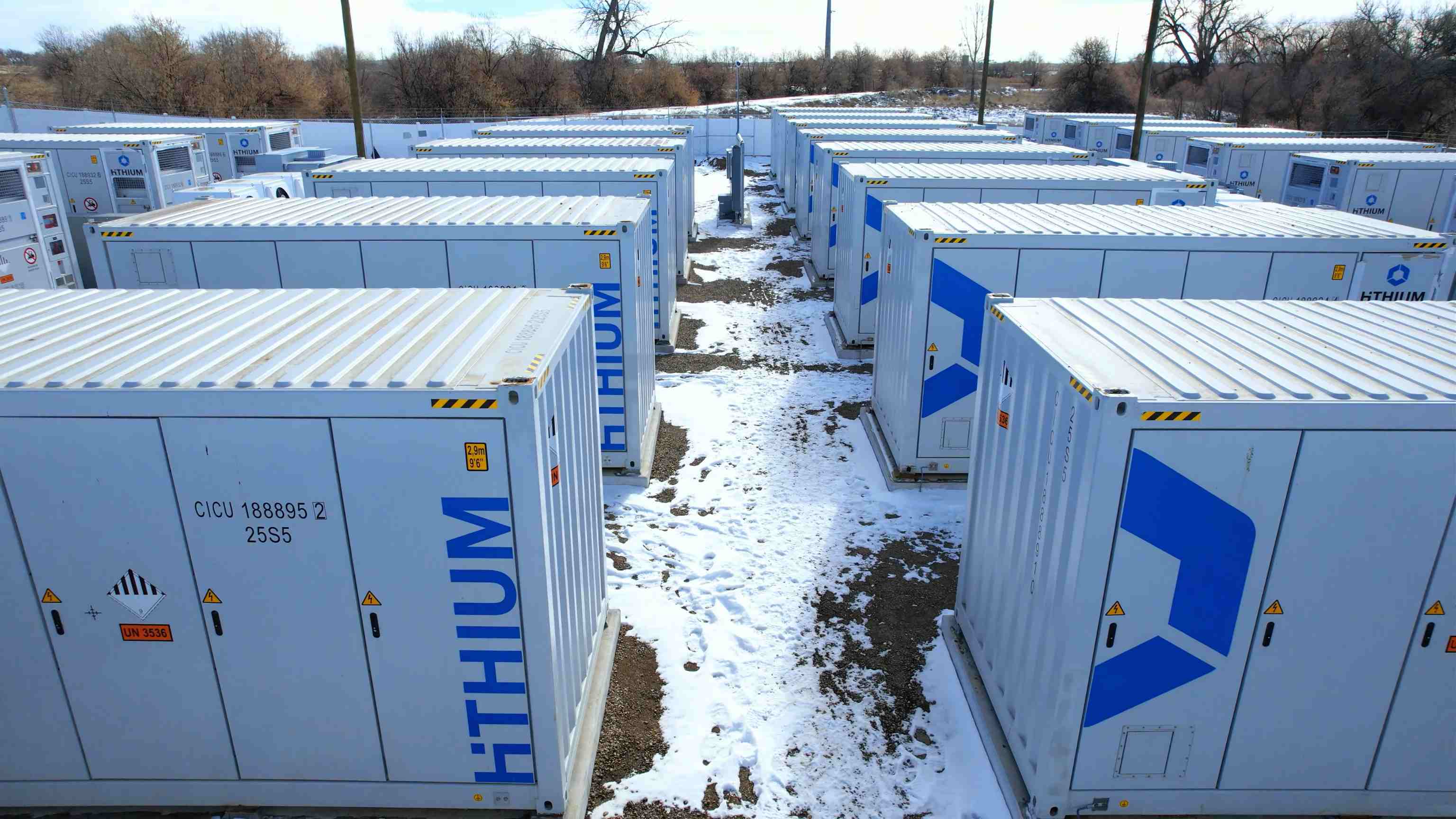
What to measure when choosing a supplier?
Here are three metrics I insist upon when advising clients (and I use them in procurement evaluations):
1) Round-trip efficiency under real duty cycles — not just lab tests. Demand charge reductions hinge on this. For the Texas project, an extra 2% inefficiency would have erased half the savings in year one.
2) Mean time between failures (MTBF) for power converters and BMS modules. Ask for field data. A vendor claiming “high reliability” without MTBF numbers failed to support us during a cold snap in January 2020.
3) Integration latency: measured from grid signal to inverter action. For frequency regulation, you want under 200 ms. Anything slower reduces market revenue and increases penalty exposure.
I prefer frank, hands-on answers. I prefer suppliers who bring data from live sites, and who will stand in the substation at 3 a.m. with you if needed. My view is shaped by real costs, real dates, and real fixes — not abstractions. If you want a partner that understands both cells and contracts, look for firms that publish field performance or will share a recent commissioning report. Final note: solid technical choices reduce operational surprises and protect ROI.