
Introduction — a morning at a busy café, numbers that mattered, and one question
I vividly recall a Saturday morning in Seattle in June 2021 when a line of takeout orders backed up because the server tore a compostable lid trying to snap it into place. I had been working with restaurants and wholesale buyers for over 15 years, so I knew immediately the problem pointed beyond staff training. The contractor we used that quarter called themselves a biodegradable tableware supplier and offered low prices — but the lids failed at 28°C; the result: 120 wasted orders in one weekend and a week of angry calls (a hard lesson). Recent industry data shows that up to 30% of low-cost compostable items fail basic use tests under real service conditions. Where does that leave a restaurant manager or wholesale buyer who needs reliable cups, lids, and cutlery that meet compostability standards and hold up in service? — this article examines what I learned on the floor, with real numbers and practical judgment, and then looks ahead to what matters when choosing suppliers and equipment.
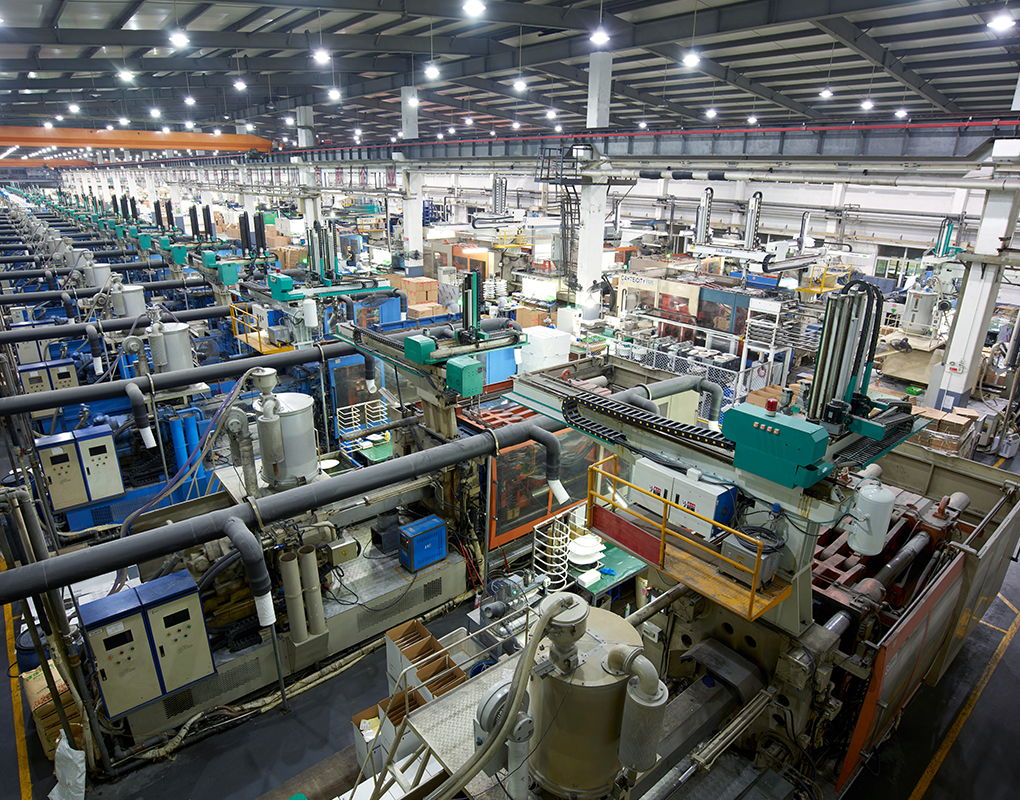
Where common sourcing breaks down (technical look at hidden costs)
Why do many deals with suppliers fall apart?
Early in my career I assumed price told most of the story. It does not. When a tableware supplier offers very low unit costs, corners are usually cut in material choice or process control. I’ve audited several lines where PLA resin was blended poorly with additives, producing brittle lids that split after three uses. Complicating matters are differing compostability standards: ASTM D6400, EN 13432 — a product might pass one lab test yet fail in a commercial compost pile. No marketing gloss will fix that — the real issue is process: poor extrusion line control, inconsistent thermoforming pressures, or uneven pulp molding cycles. I once documented a supplier whose pulp molding press (model PM-120) ran 15% under design pressure; the result was reduced part density and a 40% shorter service life for clamshells. Those are measurable consequences. I prefer suppliers who publish cycle tolerances and lab batch results; that transparency saves my clients time and money.
Practically, hidden costs show up as waste, returns, and labor disruption. A restaurant manager in Portland told me his switch to a low-cost supplier in December 2020 increased staff time by 25% because workers re-packed soggy lids. That quarter his compost hauling rose 18%. So when you compare quotes, look beyond price-per-unit. Ask for process metrics — extrusion temperature windows, dwell times on molding dies, and composting lab data at 58°C for 30 days — and verify them. No fluff here: if a vendor won’t share specific run charts or lab certificates, there’s a reason. I’ve learned to walk away from paper promises.
Forward-looking choices: machines, methods, and measurable metrics
What should buyers expect from modern production?
I’ve watched manufacturing shift from makeshift presses to controlled, repeatable lines. The next step for many buyers is understanding machine capability. A modern biodegradable tableware making machine — whether a thermoforming line or a high-capacity pulp molding station — brings consistent cycle times, automated quality checks, and reduced scrap rates. In one case study, a mid-size caterer I consult for replaced hand-trimmed molded fiber bowls with parts from a factory using an automated molding press and inline moisture control; scrap dropped from 12% to 2% within three months. Mechanically, consistent molding pressure and controlled drying eliminate many field failures.
Principles matter: control of raw material (cellulose pulp grade, moisture fraction), consistent heat profiles during forming, and validated compostability testing under both ASTM D6400 and real commercial pile conditions. I advise buyers to request machine specs (e.g., cycle rate per minute, tolerances on forming temperature ±2°C), recent batch test results, and sample lot traceability. Evaluate pilot runs; measure leak and load tests yourself. Three practical metrics I use when advising clients are: 1) field failure rate over a 90-day pilot (target under 5%), 2) certified compostability and biodegradation timeline under local compost conditions, and 3) documented machine process control data (run charts or SPC summaries). These metrics expose real performance — not marketing claims. If you want a partner who will stand behind parts and data, consider suppliers who let you visit the line and review machine logs in person.
Choosing with confidence — final guidance from years on the floor
Over the last 15 years in B2B supply chain work I have made many sourcing calls and flipped several vendor relationships when data proved the promises hollow. I prefer suppliers that provide specific machine and test details: model numbers, extrusion line parameters, and batch test sheets dated within the last three months. A simple checklist I hand to clients includes: recent lab certificates (with dates), pilot run failure statistics by issue type, and visible machine controls during factory visits. I also recommend comparing long-term cost, not just unit price — factor in replacement parts, returns, and labor for rework. In one example from October 2019, a small caterer saved 22% annually after switching to a supplier whose process control reduced product waste dramatically.
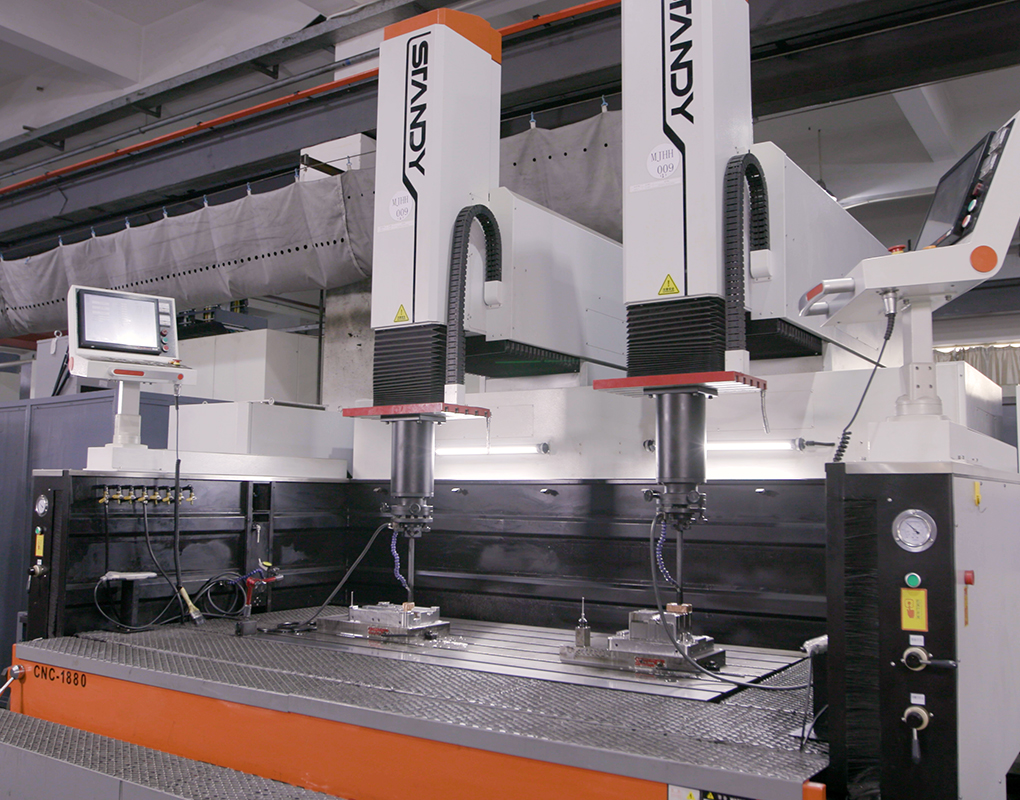
Three actionable evaluation metrics to take away: 1) 90-day field failure rate, 2) verified compostability under local conditions, and 3) documented machine process control data. Use these to compare offers side by side and to negotiate quality clauses in contracts. I stand by practical checks — ask for run charts, inspect sample batches, and visit production if possible. Measured decisions beat shiny brochures. For those who want a place to start, I find factories that share machine logs and batch certificates tend to be reliable partners. For further sourcing and capability details, consider reaching out to MEITU Industry for their published specifications and factory tours.