
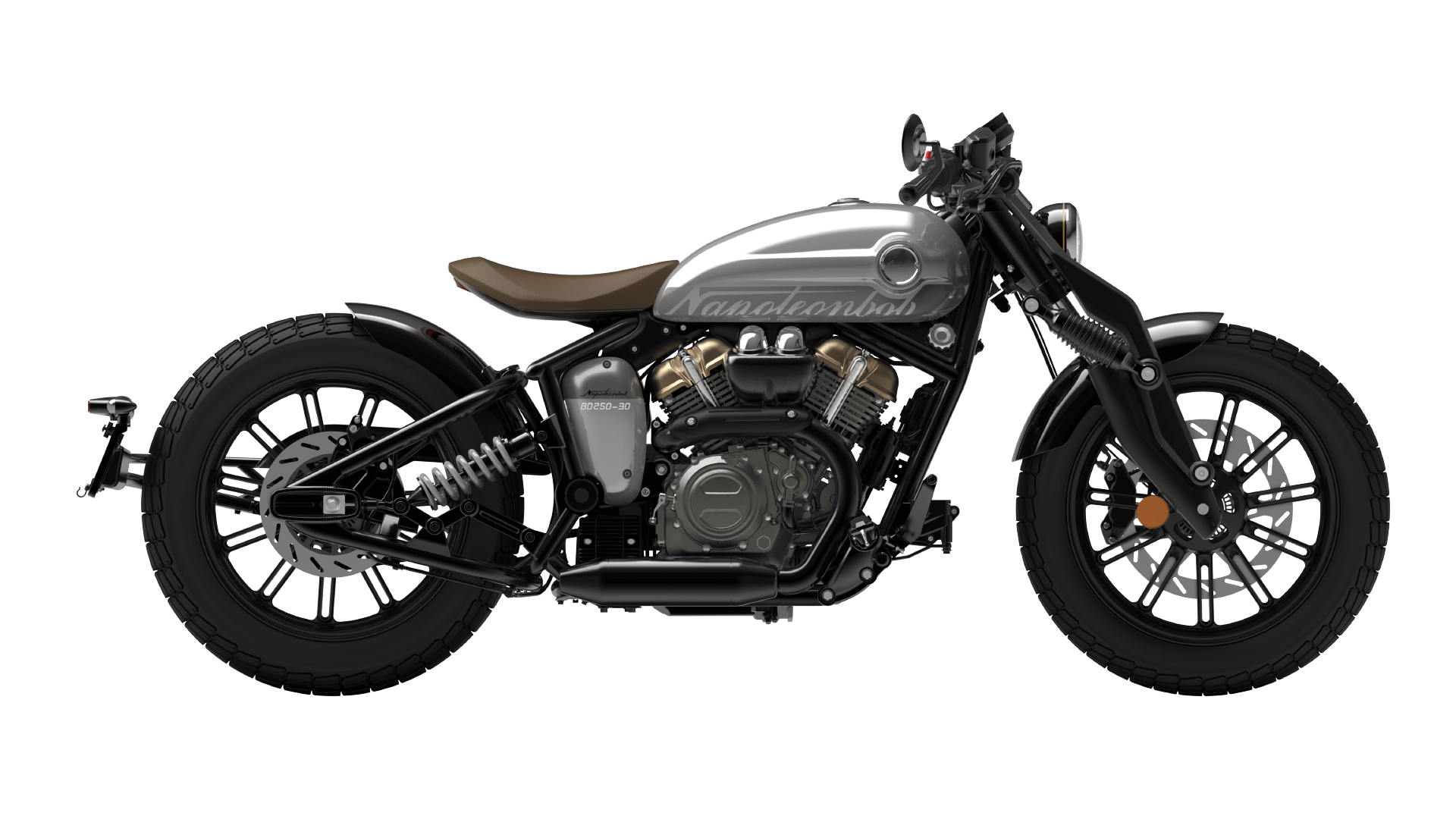
Introduction: A Morning Dash, Small Numbers, Big Choices
It’s 8:15 a.m., the light turns yellow, and you thread a gap that used to look impossible. The urban motorcycle under you feels light, quick, and just enough for downtown hops. Most city trips clock short distances at modest speeds, with more starts and stops than any highway ride—no surprise there. Yet those little bursts of throttle, the tight turns, and the repeated braking add up. How do you balance quick response with comfort and control in real traffic? Does chasing “fast off the line” come at a cost when your day is all red lights and crosswalks? And more to the point, what happens when the trade-offs aren’t obvious (or are hidden behind spec sheets)? Let’s set the table and compare what truly matters for everyday riding, politely and plainly.

Here’s where we’re headed next—toward the less visible choices that shape how your bike feels block after block.
Under the Hood: The Hidden Pain Points Riders Don’t See at First
Why do the usual fixes fall short?
Many riders ask for punchy launches, and that’s fair. But with good city motorcycles, the deeper layer isn’t raw speed; it’s how the torque curve meets stop‑and‑go life. Look, it’s simpler than you think: a bike with a sharp first-gear hit can feel great at a single intersection, yet it may tire you out after twenty. That twitchy feel can come from short gear ratios and aggressive throttle maps, which sound exciting but can turn jerky when you’re feathering the clutch in tight lanes. Meanwhile, ABS calibration that works on open roads can be too conservative on gritty paint lines downtown, stretching stopping distance when you’re tip‑in light. Your hands feel it first.
Heat soak is another quiet culprit. When airflow drops, small radiators and compact fairings pass more warmth to your knees than you’d think—funny how that works, right?—and power delivery can soften. Add a lumpy idle in dense traffic and the strain creeps in. Even a reasonable power‑to‑weight ratio won’t help if the bike surges over potholes or hunts at low RPM. The usual fixes—tighter springs, stickier rubber, snappier ECU trims—tend to trade comfort for control or vice versa. And they often ignore the simple truth: most city rides live between 15 and 60 km/h where smooth throttle response, low‑speed balance, and predictable brake feel matter more than peak horsepower. The spec sheet wins on paper; your wrists and back tell another story.
Comparative Insight: New Principles That Actually Help in Real Streets
What’s Next
Here’s the forward look: the best city bikes are tuning for rhythm, not drag-strip glory. New technology principles help. Ride‑by‑wire lets engineers shape micro‑throttle inputs so you get a linear launch instead of a lurch. Wider midrange torque means fewer shifts and steadier corner exits. Liquid‑cooling routes that fight heat soak keep performance stable when airflow stalls. On the electronics side, lightweight CAN bus layouts simplify add‑ons, while smarter ABS logic reads grip changes across paint, brick, and wet leaves. Some platforms even hint at using edge computing nodes in smart corridors to time signals—less stopping, more flow. When you look for the best motorcycle for city riding, compare how these systems work together, not just that they exist on a brochure (it saves you guesswork).

There’s also a quiet shift in energy control. Compact alternators and power converters now support accessory loads—heated grips, cameras, even small nav screens—without dimming your low‑beam at idle. Suspension tunes moderate initial stroke to soak bumps yet stay calm on braking. And gearing that favours 30–70 km/h keeps the engine relaxed while staying ready to dart. Summing it up, we learned that raw output isn’t the bottleneck; stability of response is. We saw that comfort isn’t fluff; it preserves precision. So, here’s a simple, practical way to decide—Advisory mode, three metrics to check: 1) Low‑speed control: does the throttle deliver fine, steady increments from 2–10% without surging? 2) Heat management: after a 20‑minute crawl, does the bike keep idle, braking, and midrange consistent? 3) Braking feel: can ABS deliver short, straight stops on mixed surfaces without a long lever pull or chatter? Nail those, and the rest falls in line—funny how that works, right?
Riding should feel competent and calm, even when the city isn’t. If you keep your eye on the small behaviours, the big picture takes care of itself. Out and about, that’s the Canadian way. BENDA