

Introduction: A System, Not a Fixture
Light is no longer a bulb on a switch; it’s a software-shaped layer over space. A bespoke lighting company now treats a home like a small network that adapts in real time. With bespoke interior lighting, the room listens, then responds, then learns—almost like a quiet AI for comfort. Picture a loft where sensors speak to edge computing nodes, drivers and power converters share load, and scenes shift as people move. Data tells us lighting can reach 15% of household energy use, and many remodels still miss comfort targets on glare and color drift. If we can optimize streaming and storage, why do we still tolerate flicker and awkward dimming in our living rooms? What if the true value of light is not brightness, but timing, control, and fit? (Yes, even the hallway.) The core concept is simple: treat illumination as a system with feedback, not a product on a shelf. So, when should you commission custom instead of buying fast and hoping for the best? Let’s unpack timing, triggers, and trade-offs—then map them to real gains.
Hidden Frictions Inside Everyday Light Decisions
What’s actually going wrong?
Here’s the direct truth: problems don’t start with taste; they start with misfit. Off-the-shelf fixtures aim at averages, not your ceiling height, surface reflectance, or workflow. That’s why you get hot spots over the island, shadows on the stairs, or dimmer buzz at low levels—funny how that works, right? The pain points hide in the details: drivers that don’t play well with your control stack, thermal management that throttles output after an hour, or poor diffusion optics that glare off polished stone. And when your schedule shifts from “quiet dinner” to “kids drawing on the floor,” your fixed scene can’t pivot. People often blame style. It’s usually physics plus control.
Look, it’s simpler than you think. A good custom plan balances lumen output with surface tasks, sets a clean dimming curve, and ensures the wiring, drivers, and control bus agree. Think of DMX or DALI as traffic rules for light, so your scenes don’t collide. The right spec avoids color shift between rooms, aligns beam angles with art or screens, and supports tiny changes for mood without noise or flicker. In short, timing matters most when your life has multiple modes—work, rest, play—and one static fixture can’t keep up. Commission when coordination beats chance, and the cost of “almost right” will follow you every night.
Comparative Insight: Principles Powering the Next Wave
What’s Next
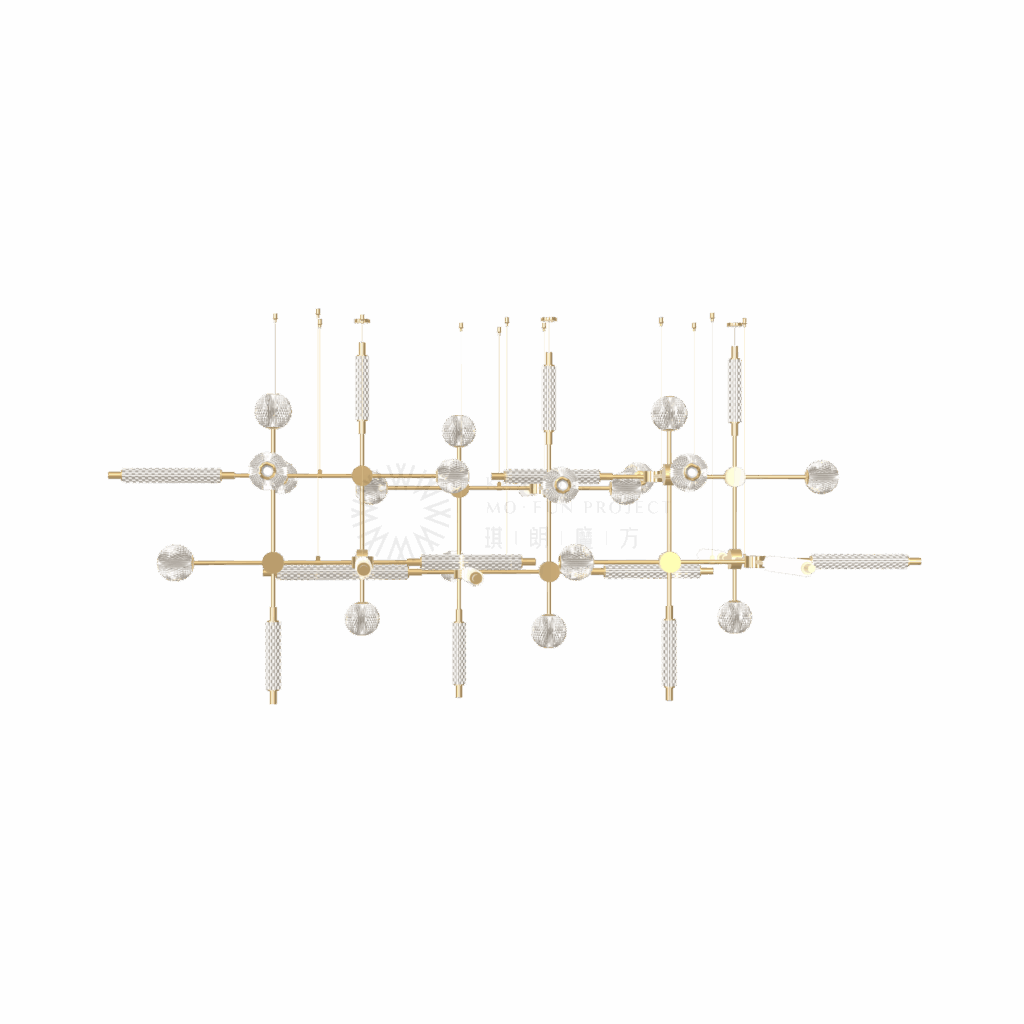
Forward-looking lighting swaps guesswork for clear principles. Modular drivers reduce failure points, open protocols make upgrades painless, and scene logic runs near you—at edge computing nodes—to cut lag. That’s the new baseline. Compare it with commodity setups: they often lock you into one vendor, slow your dimming response, and limit you to two or three meaningful scenes. With custom, you can layer task light with wall wash, then fold in daylight data, so the room feels steady at dusk. Even a centerpiece like a bespoke chandelier becomes part of a system, not a silo—its mass, thermal profile, and driver map are tuned to prevent color drift and preserve output over years. Small choices add up: better thermal management, smarter power converters, and repeatable photometrics equal calmer, clearer rooms. And when rooms change—new desk, new art—the system flexes. That’s the comparative edge.

Here’s how to decide, in practice. Use three quick metrics. One: visual comfort targets—set a simple glare goal and verify with trial scenes, not just drawings. Two: lifecycle cost per use—count energy, rework, and control headaches, not only fixtures on day one. Three: interoperability—check that your controls (DALI, DMX, or scene apps) talk well with drivers and sensors, with low latency. If two of these fail, commission custom. If all three pass, you can go standard with confidence—and revise later. The lesson is modest but powerful: treat light like a living system. Make it testable, tunable, and kind to attention. Then let the room do the quiet work for you—every day. For deeper specifications without the fluff, see kinglong.