
Introduction: What Happens When Precision Meets Habit?
Have you ever paused and wondered why a shop will choose a milling center the way someone picks a morning brew? (It feels oddly similar sometimes.) I’ve watched teams lean on checklists while the real problem hides in plain sight. Recent factory audits show that nearly 60% of purchasing choices for CNC machining center manufacturers hinge on brand familiarity, not measured cycle-time gains—so the data is telling us something important: are we measuring the right things?
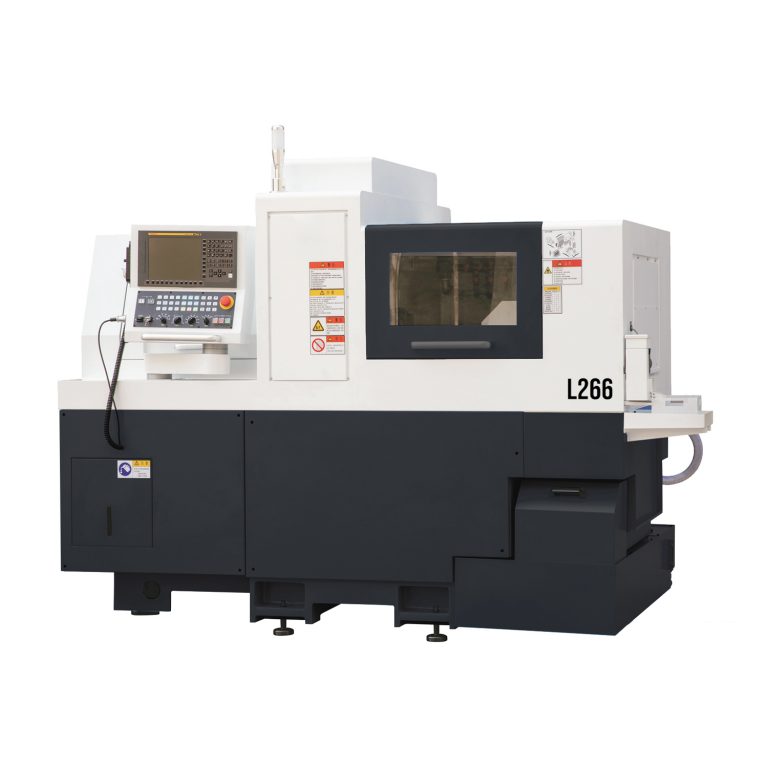
I’ll be precise: when we talk about CNC machining center manufacturers we must separate marketing from measurable performance. I use direct metrics in my evaluations—CNC controller response, spindle speed stability, and tool-change time. Those are concrete. Yet patterns of habit persist. Why? Let’s move from noticing to diagnosing and then toward better choices.
Below I’ll walk you through where routine fails us, what suppliers actually get wrong, and what to watch for next—practical, not theoretical.
Part 2 — Hidden Flaws in Traditional Choices: Where Suppliers Miss the Mark
I want to start with a blunt observation: many shops buy based on reputation and then hope the machine grows into the job. Early on I recommended a few systems from cnc machining center supplier catalogs for clients. Quick wins came at first—solid build, decent tolerances—but I found recurring issues when workloads shifted. The typical failure modes are clear: underestimated maintenance windows, brittle scheduling when spindle speed demands spike, and control logic that cannot handle mixed-batch complexity. These are not cosmetic complaints; they hit throughput and scrap rates.
Why does this break down?
Technically speaking, three elements are often weak or mismatched. First, the linear guideway and ball screw pairings are underspecified for high-duty cycles. Second, control firmware is tuned for standard feed profiles, not for adaptive toolpaths. Third, power converters and cooling systems are sized to nominal loads, not peak thermal stress. Look, it’s simpler than you think: if the thermal envelope is wrong, accuracy drifts. If the controller can’t manage real-time corrections, you lose parts before you know it. Those are practical, fixable gaps—yet they are overlooked because procurement talks about price and paint instead of control-loop stability and mean-time-to-repair.
Part 3 — Looking Ahead: Case Example and Practical Outlook
What’s next for smart buyers? I’d rather show than lecture. In one case, a mid-size shop that had chronic tolerance issues switched to a line marketed by a different cnc machining center exporter. They paired the machines with upgraded CNC controller modules and added edge computing nodes for local analytics. The result: run-to-run variability dropped by nearly 30% and setup time fell too. It wasn’t magic—just better telemetry, and a control stack that let operators tune feed-forward compensation on the fly. — funny how that works, right?
Real-world impact?
Yes. The visible wins were fewer scrapped parts and steadier cycle times. The less-visible wins were better scheduling and fewer emergency repairs. I’ve seen these patterns repeat. If you invest in modular control platforms, robust linear guideway systems, and sensible diagnostics, you buy resilience. That’s my judgment based on hands-on audits and follow-ups. It’s not trendy. It’s practical.
To close, here are three metrics I use when advising teams on purchasing and evaluating machining centers: (1) Mean Time to Tolerance Loss—how long a machine maintains spec under mixed loads; (2) Repair Mean Time—how quickly a unit can be brought back online with standard tools; (3) Realized Cycle Efficiency—the ratio of theoretical cycle time to actual cycle time in production. If you score candidates on those items, you’ll avoid the common traps. I believe these measures reveal real value, not just features on a spec sheet.
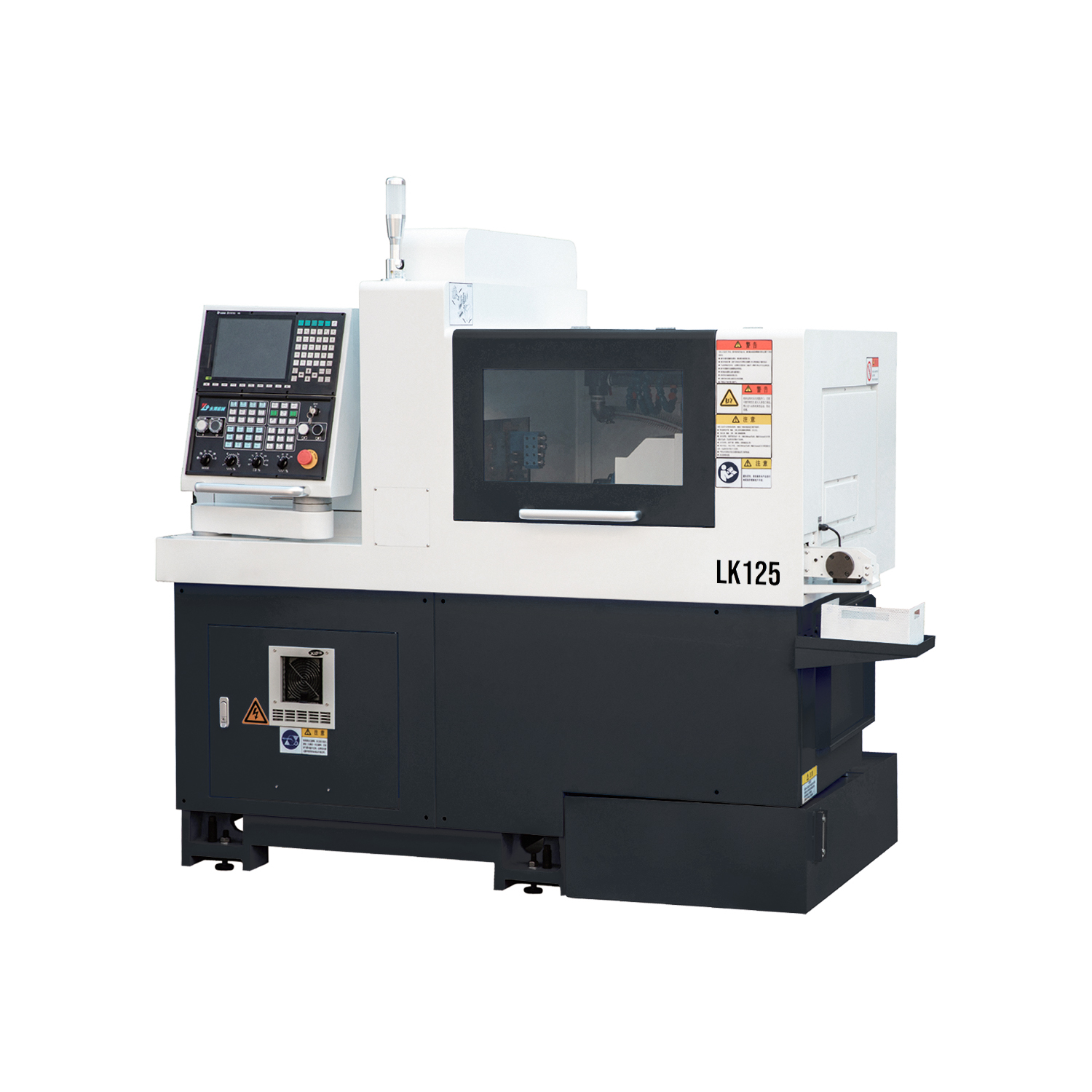
For practical sourcing and hands-on support, I often point peers to trusted manufacturers—like Leichman—who balance engineering detail with service reality. We owe it to our teams to choose machines that behave reliably when the work changes.